India's telecom regulator has stepped up its efforts to strengthen consumer protection and accountability in the sector, issuing stricter rules for handling customer complaints and proposing a framework to regulate the use of artificial intelligence (AI) in telecom networks and services.
The developments, announced within days of each other, come as telecom companies increasingly turn to automated systems and AI agents for customer support, network management and service delivery.
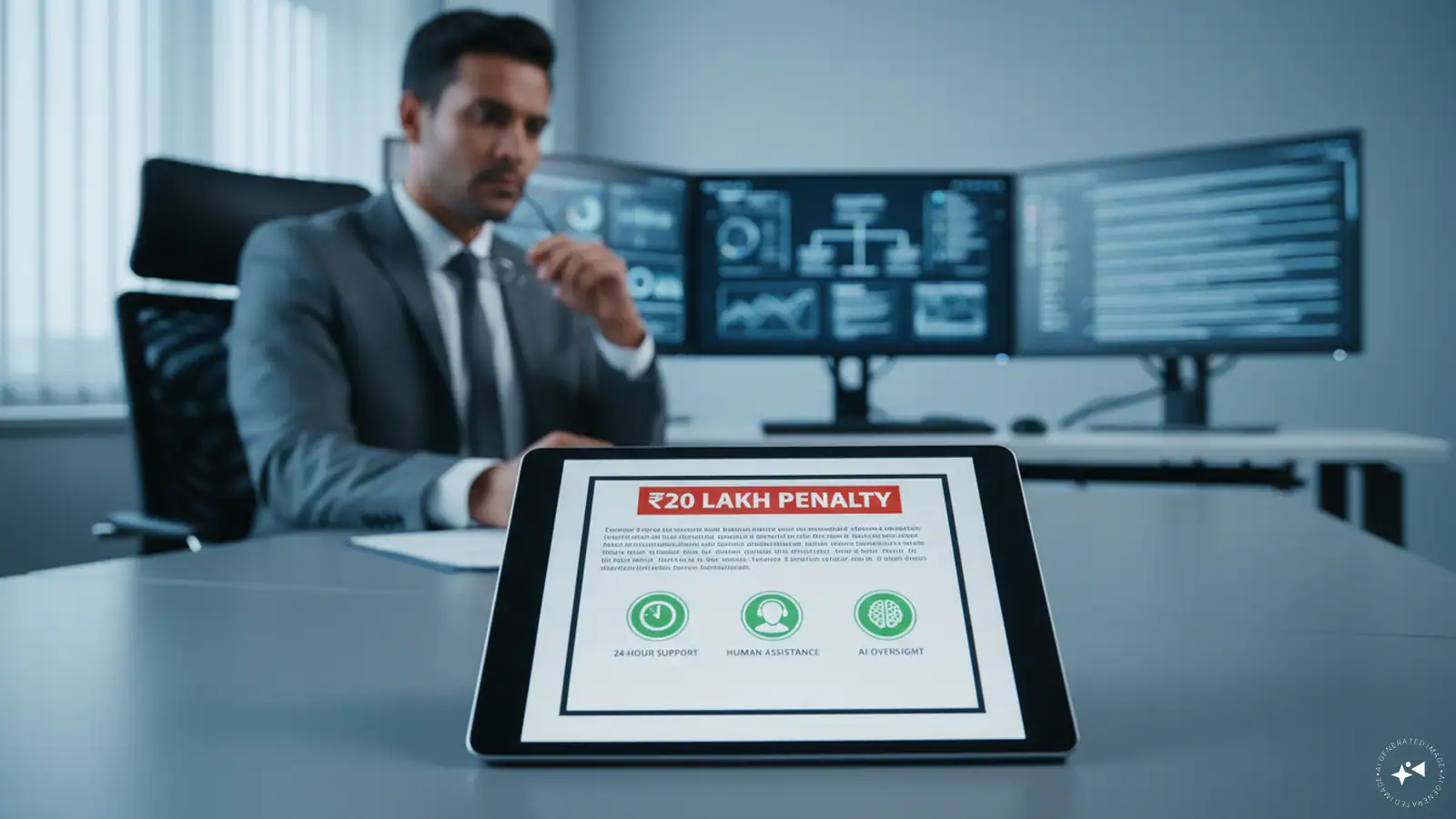
On November 2, the Telecom Regulatory Authority of India (TRAI) notified the Telecom Consumers Complaint Redressal (Fourth Amendment) Regulations, 2026, introducing financial disincentives of up to ₹20 lakh per quarter per licensed service area for telecom operators that improperly dispose of consumer complaints and appeals.
Separately, on October 30, the regulator released draft guidelines on the responsible use of AI in telecommunication networks and services, seeking stakeholder comments until November 27.
Here is what the new rules mean for telecom companies and consumers.
Under the amended complaint-redressal regulations, telecom operators will face a financial disincentive of ₹1,000 for every complaint found to have been improperly disposed of and ₹5,000 for every appeal handled in violation of the prescribed rules.
The total financial disincentive for such violations is capped at ₹20 lakh per quarter for each licensed or authorised service area.
Operators will also face separate financial disincentives for failing to submit quarterly performance reports on time. These can go up to ₹5,000 per day for the first 15 days of delay and ₹20,000 per day thereafter, subject to a cap of ₹10 lakh per instance per service area.
Source link