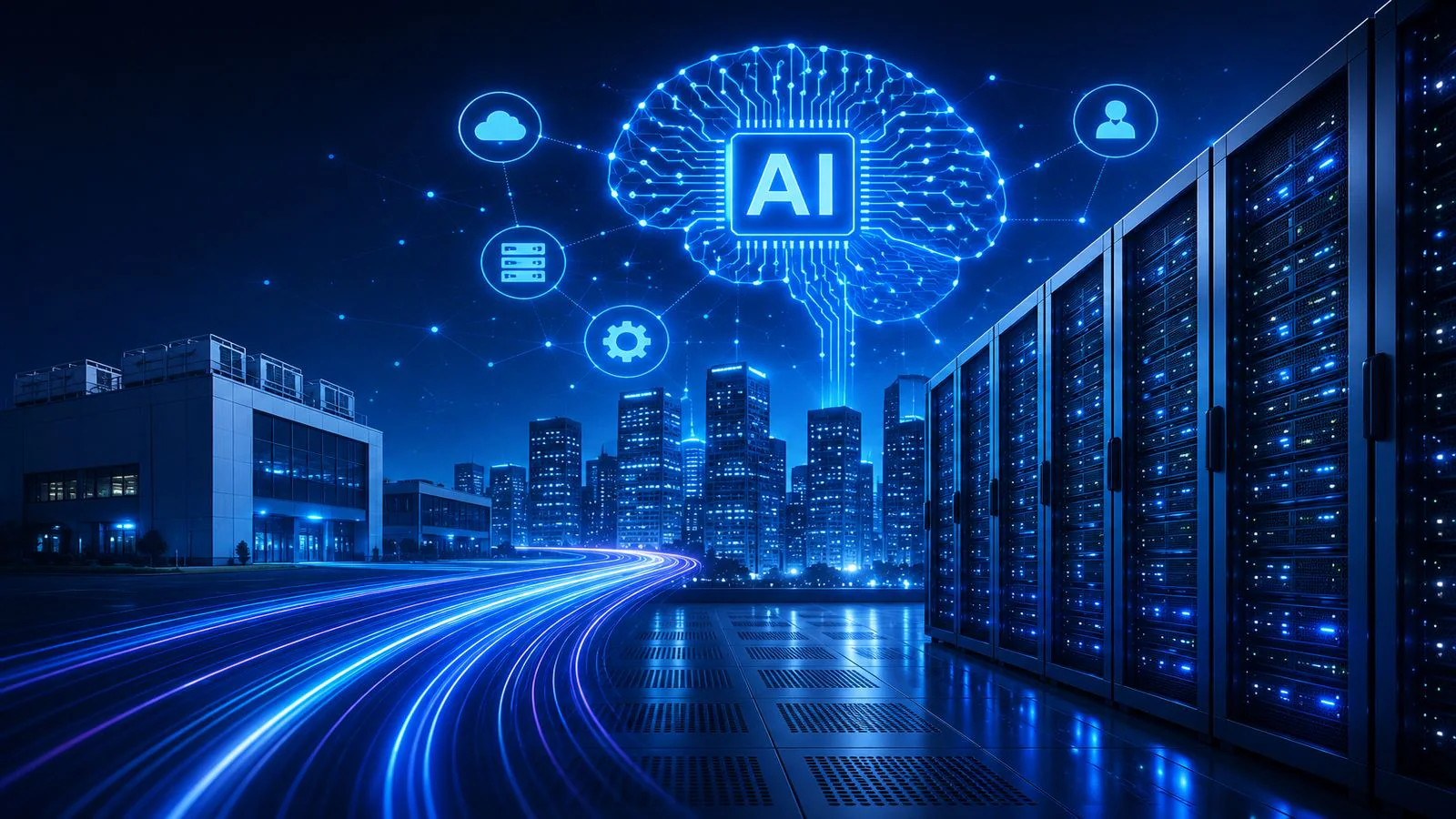
S&P Global estimates the world’s biggest tech firms are likely to have more AI-linked liabilities than currently known, although its top analyst for the sector sees no need to change any ratings at present.
Debt issued by AI infrastructure providers and so-called ’neocloud’ firms such as Nvidia-backed CoreWeave has sunk to increasingly stressed levels in recent weeks amid concerns about the aggressive scale of their borrowing.
S&P’s Global Head for Digital Infrastructure Mark Habib said the biggest risk to hyperscalers’ ratings remained whether expected profits fail to materialise.
But he also highlighted so-called ’interconnected financing structures’, where hyperscalers effectively guarantee huge data centre builds, or smaller AI companies.
”It is safe to assume that there is more (debt) out there that we are not seeing,” Habib said during a roundtable in London.
”If it’s not reported, then it’s not part of the disclosure by the hyperscalers. Also, if we are not rating the transactions where this liability may accrue, then the fact of the matter is that we might not have the visibility.”
S&P expects the top six US hyperscalers — Amazon, Microsoft, Alphabet, Oracle, Meta, and SpaceX — to spend more than $7 trillion on data centers and other AI-related capex between 2025 and 2030, and have negative free cash flow until at least next year.
Habib said there wasn’t an estimate of how much additional debt the circular financing might add to firms’ balance sheets, although he said S&P was trying to take a ”holistic” view overall.
Back in July, it downgraded Oracle to BBB-, the lowest rung of ’investment grade’, on concerns about its AI spending and what it called ”an uncertain path to profitability”.
Source link