Few elements of Silicon Valley’s culture are more cherished than its embrace of failure. Nobody looks askance at you for starting a company that doesn’t make it. Indeed, it’s widely regarded as a badge of honor, proving your willingness to make bold, risky bets and leaving you a smarter, more battle-tested veteran.
And yet failed startups tend to be forgotten the moment their doom is sealed. Aside from a few flops so epic they become legends—hello, Webvan and Humane—defunct businesses quickly stop ringing a bell. Everyone involved moves on to chasing the next big thing.
That has been true of many intriguing upstarts I’ve profiled over the years. The one that set out to be the Uber of shipping. The one that partnered with Steph Curry to build a tiny, minimally distracting smartphone. The one that aspired to build an AI-powered computer for the ears well before AI became the industry’s obsession.
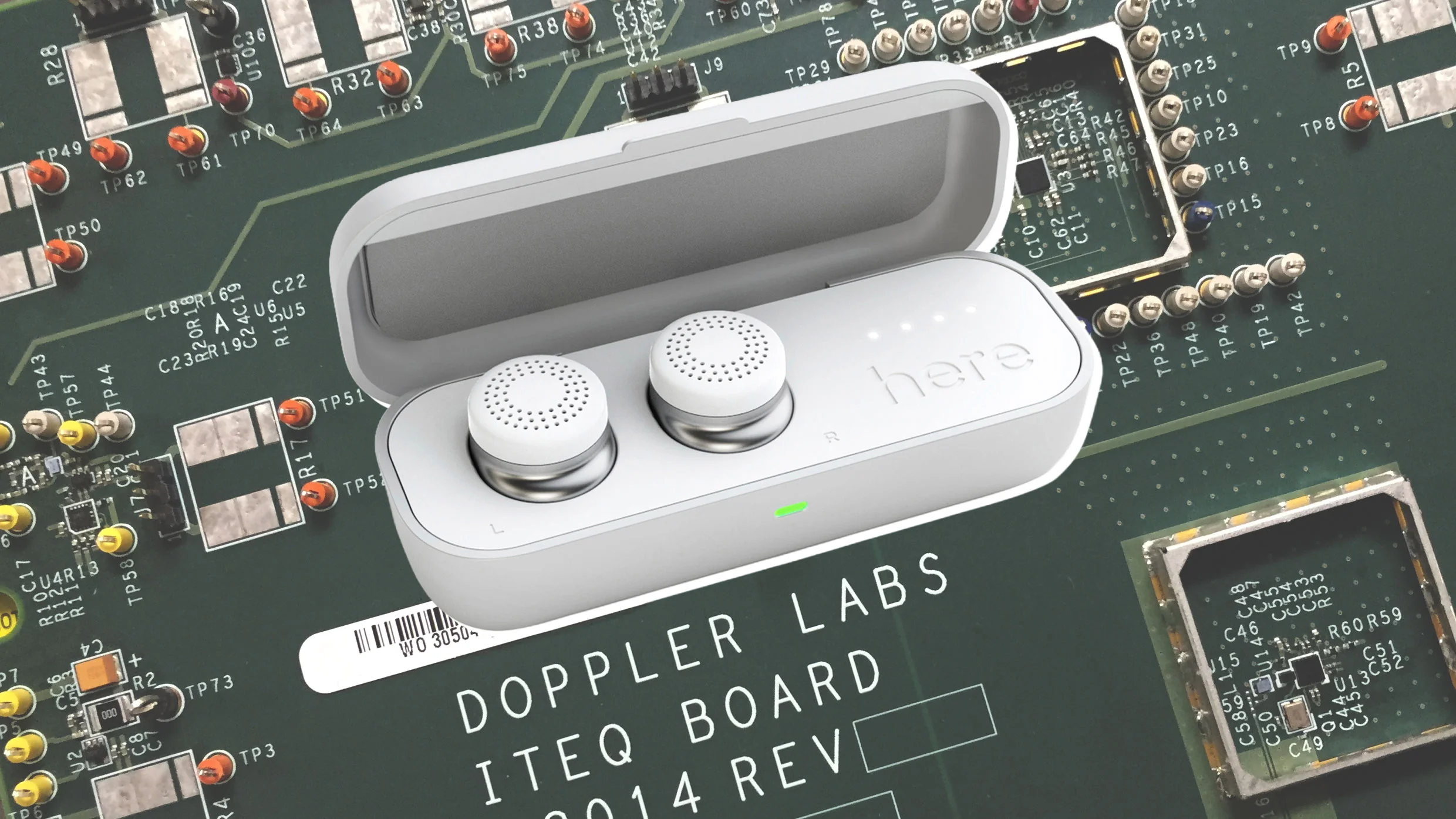
But wait. Though that last startup, Doppler Labs, ceased to be back in 2017 , its vision didn’t die along with it. Doppler’s flagship product was Here One, a pair of wireless earbuds designed to do far more than stream music and make phone calls. The company developed technology to perform feats such as intelligently mixing streamed audio with live ambient sound. It hoped to help people with hearing loss get a better listening experience than that offered by traditional hearing aids, at a much lower price. It was working on live translation that would let people speaking different languages chat in real time.
Source link