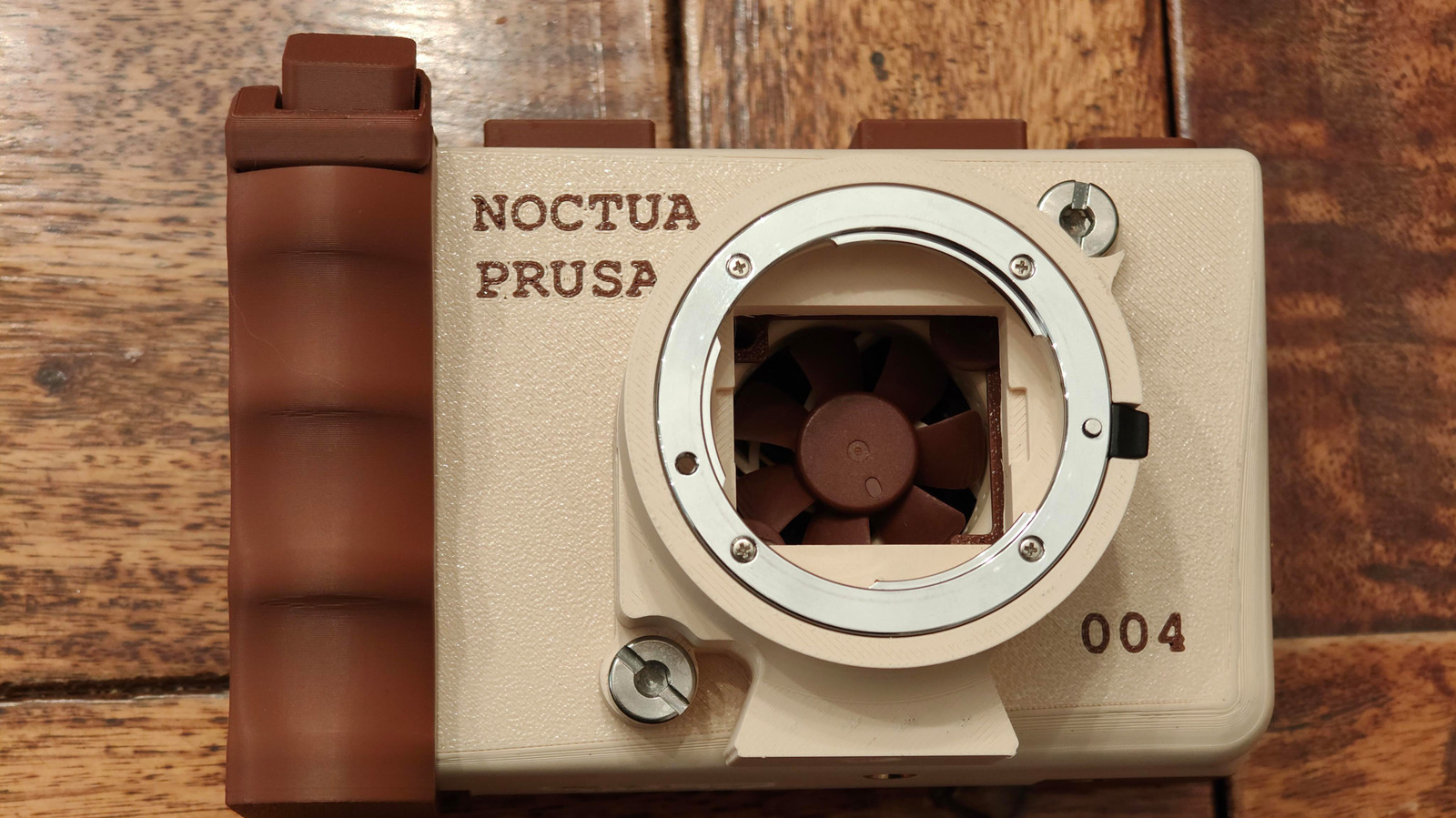
If video killed the radio star, then AI slop returned the favor. At least, that is what Josh Cowell, founder of camera maker CAIM1, will tell you. Short for Counter Artificial Intelligence Machine 1, the startup is working to reestablish our collective faith in the validity of images through its latest prototype: a camera that embeds cryptographic proof of a photo's authenticity directly into the image. As Cowell described in a blog post by the startup's silicon chip provider, Tropic Square, "the traditional photograph is dead, and designing a secure camera to replace it is an exercise in healthy paranoia."
When you take a photo using its prototype, CAIM1's internal chip creates a unique silicon fingerprint that certifies when, where, and with which camera the photo was taken. This verification is then tied to a unique, anonymous blockchain signature, creating an auditable pipeline for researchers and general viewers to authenticate.
Damaging deepfakes have proliferated across our digital sphere. In a report by the European Parliament, social media deepfakes have doubled every six months since 2023, reaching an estimated 8 million in 2025. If current trajectories hold, Europol projects that 90 percent of online content will be AI-generated by the end of the year. Meanwhile, firms like xAI, Google, Meta and Apple have come under legal fire for neglecting to rein AI-sparked disinformation. Lax safeguards have enabled the systematic spread of nonconsensual sexual deepfakes, with Europol estimating that 98 percent of deepfakes were pornographic.
Source link