
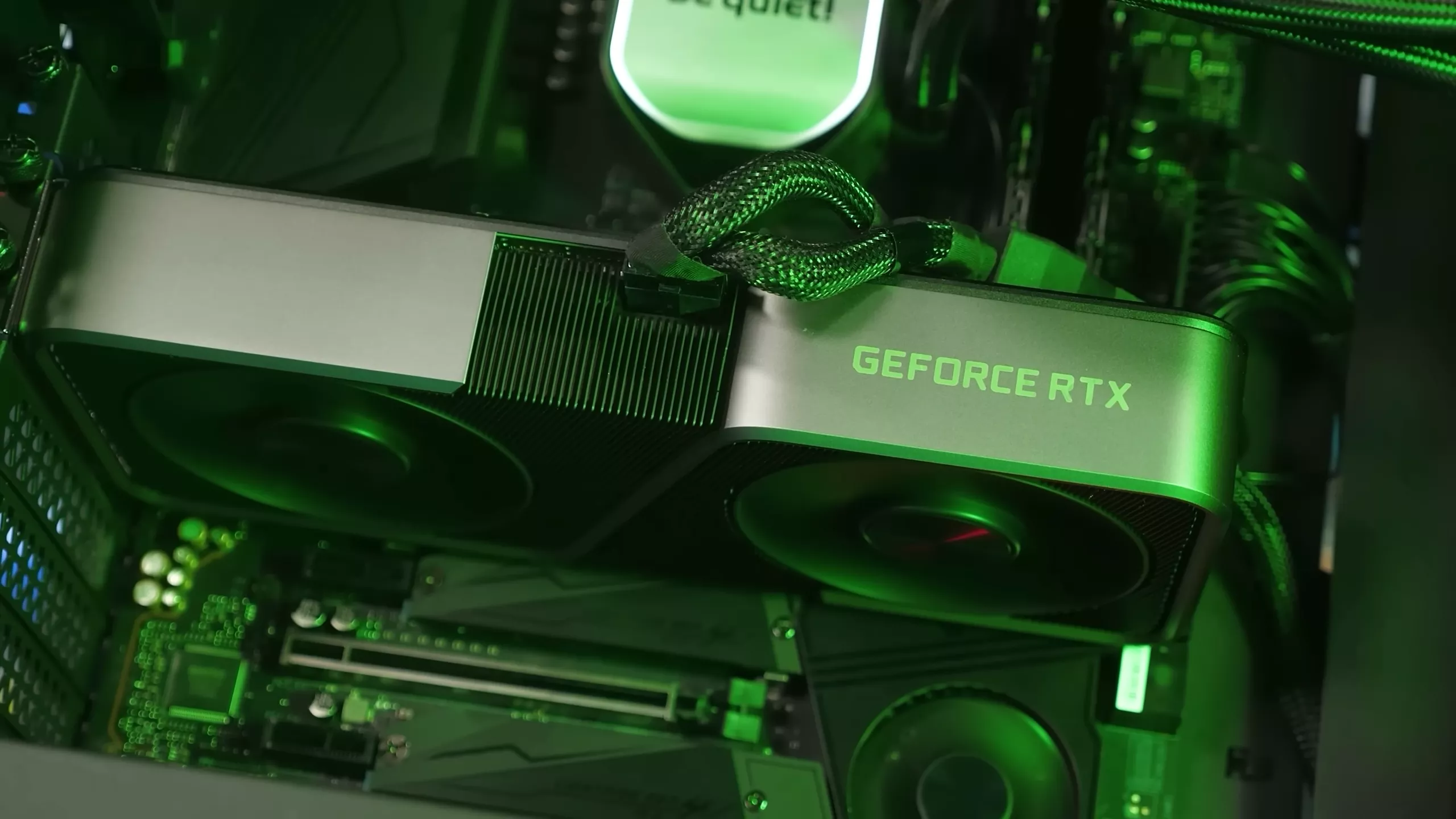
Enthusiast zone: Nvidia's signed firmware has kept BIOS modding off the table for GeForce owners for the most part. A new set of tools sidesteps that lock rather than breaking it, loading a custom VBIOS through the driver itself. It reopens a door enthusiasts thought was closed, but it arrives on a platform where power connectors are already at risk of melting on high-end GPUs and a single driver update could shut it down. Proceed carefully.
A developer has released three tools that let GeForce RTX 30, 40 and 50 series owners run a modified VBIOS without writing to the card's flash chip: a VBIOS editor for Windows and Linux, plus separate loaders for each operating system.
The cool trick is that nothing gets flashed. On Windows, the loader stores the edited image in the GPU's driver registry key, a spot where Nvidia's driver already checks for a VBIOS override every time the device starts. The tool then restarts the GPU, and the driver's GSP firmware boots from the custom image instead of the one on the card.
The Linux version takes a different route, patching Nvidia's open kernel modules so the GSP firmware starts with the custom image. Both projects build on earlier override research, which the developer credits directly.
The editor exposes settings overclockers have wanted back for years: board power limits, voltage ceilings, clock offset ranges, 12V input current and output overcurrent protections, fan PWM frequency and fan channels. Blackwell cards get the full set, while Ada and Ampere images are limited to fields the developer has validated.
Source link