Right now, Googlebooks make more sense for Google than they do for users.
After trying for years to bring Android features to Chromebooks, Google decided to start over with Android as the foundation for a new laptop operating system. The first wave of Googlebooks are high-end laptops (priced $900 and up), with Google pitching them as the ultimate computers for Android enthusiasts.
But in their current form, Googlebooks are a disjointed mess, with websites and apps that don’t work quite right and AI features that aren’t fully fleshed out. While having a single operating system and app platform across laptops and mobile devices might make life easier for Google, it doesn’t yet translate to a better experience than the Chromebooks that Google aims to replace.
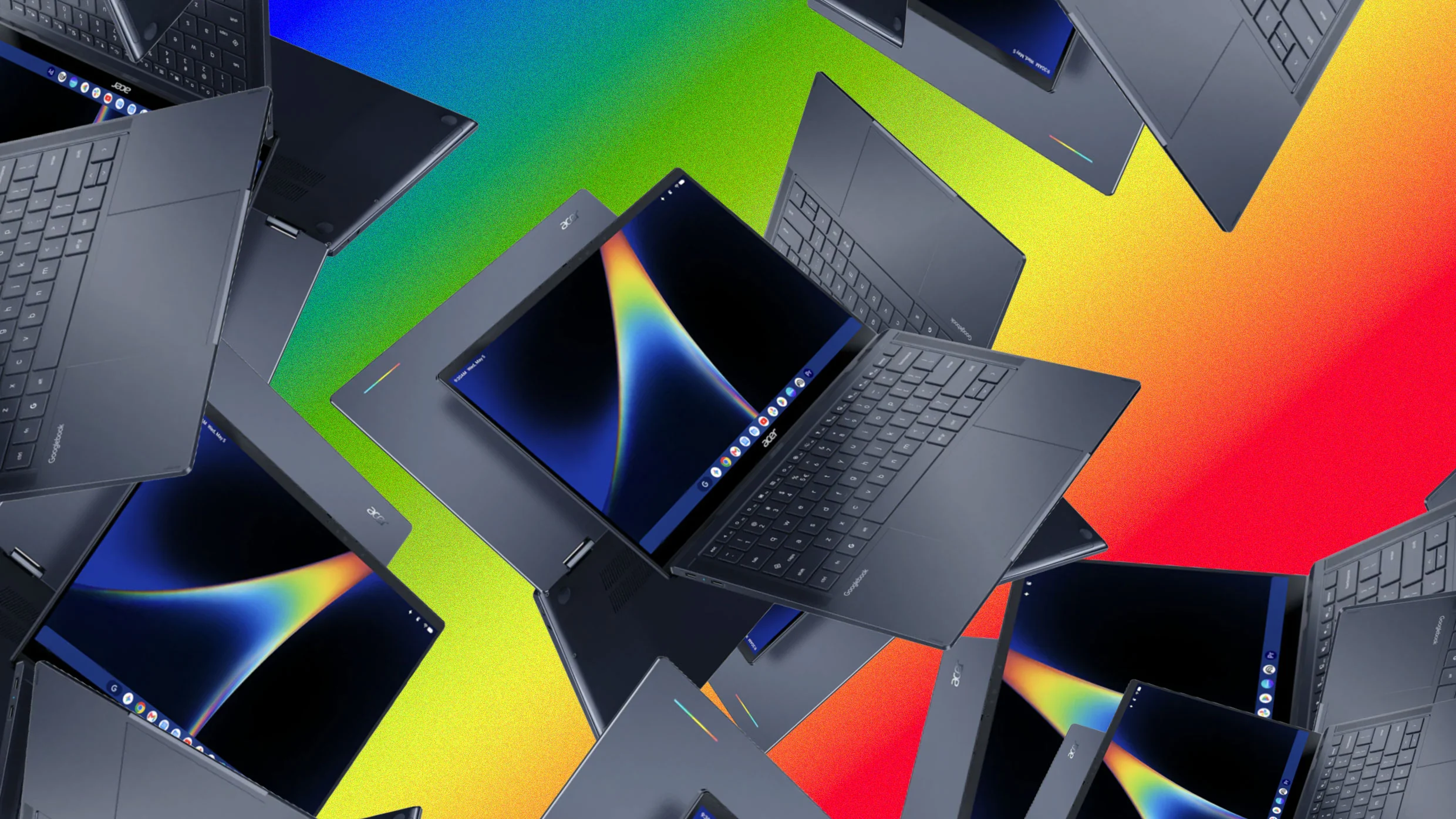
For the past month I’ve been using Acer’s Googlebook 14, which is the cheapest Googlebook at $900, and the only one whose touchscreen flips around into tablet mode. I have no major complaints about the hardware, which has a featherweight 2.51-pound chassis, a rich 120 Hz 3K OLED screen, and a smooth trackpad (albeit a “diving board” type whose click mechanism stiffens at the top edge).
My frustrations are more on the software side, where Android isn’t ready to carry a real laptop workload.
While Google is pushing developers to optimize their Android apps for large screens, keyboards, and trackpads, Google itself hasn’t always bothered to do so. The preloaded version of Gmail, for instance, is not an optimized Android app, but rather a web-based desktop app powered by the Chrome browser.
Source link