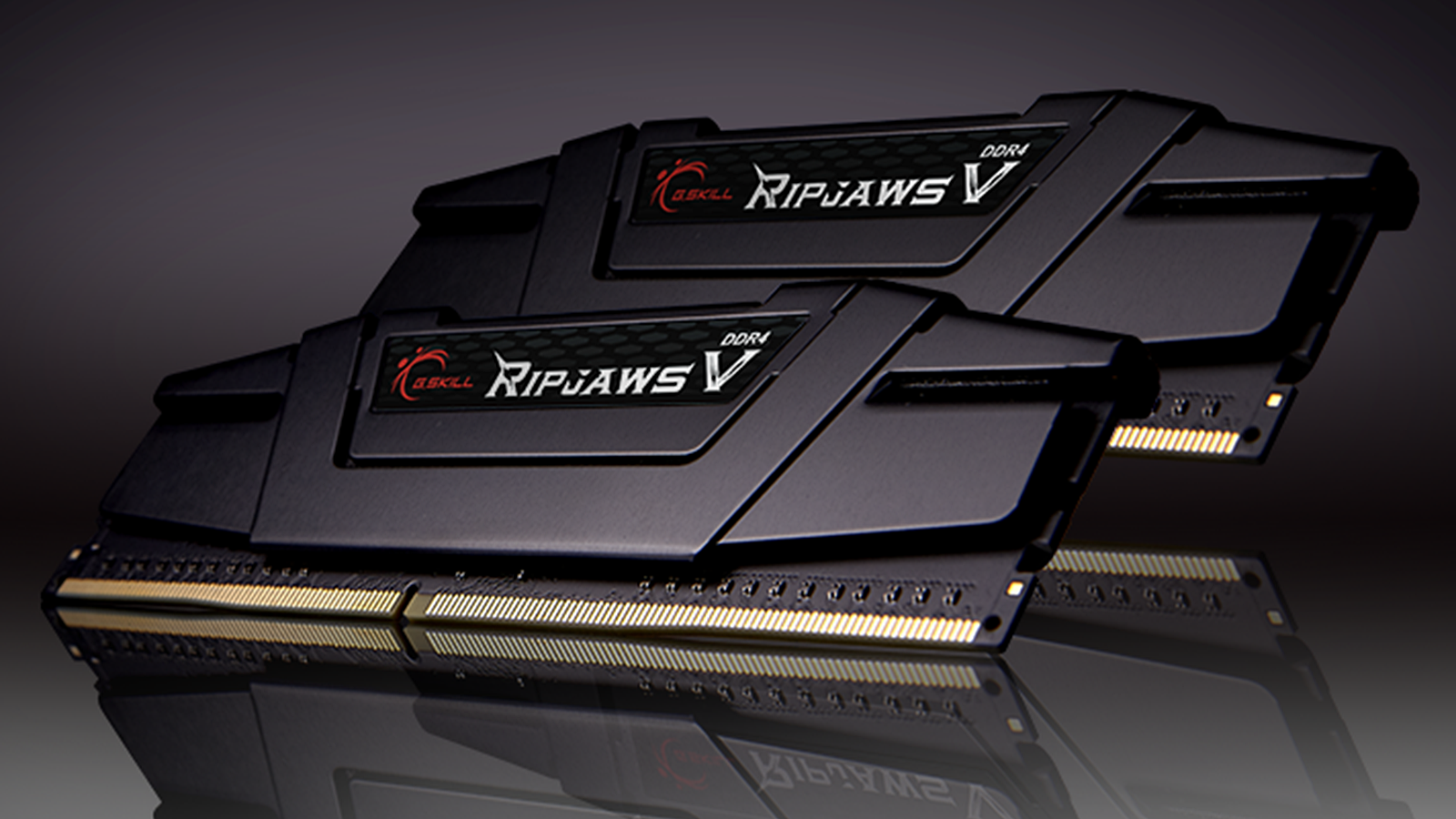
AI data centers are gobbling up memory as fast as it's manufactured.
As companies push all their chips into the AI basket, GPU makers are shifting their resources to support the boom. The resulting memory shortage has had dire consequences for the consumer tech industry: Component prices are skyrocketing, supplies are dwindling, and everyday consumers are left holding the bag.
Known colloquially as "chipflation," the rise in GPU prices has vastly outpaced economy-wide inflation levels. According to a report by JP Morgan, by the end of 2026, dynamic random access memory (DRAM) prices will have risen by 400 percent since 2024. The Tom's Hardware chips tracker reflects this increase, finding that Nvidia's most powerful consumer GPU, the GeForce RTX 5090, currently retails for $4,920 above the $1,999 suggested price when it launched in January 2025. Foreign markets are also feeling the squeeze. In Japan, for instance, some gaming GPUs have risen roughly 41 percent above their American counterparts.
The knock-on effecs across the consumer electronics market has been shocking. According to that JP Morgan report, the Consumer Price Index for software and accessories has increased by nearly a quarter over the last two years. A 2026 report by The Economist, meanwhile, found similar rises in the prices of video game consoles and laptops, prompting an uncharacteristic fall in PC shipments. Opportunistic resellers have taken advantage on the resale market, where companies like GameStop market Sony's PlayStation 5 Pro for roughly $500 above MSRP.
Source link