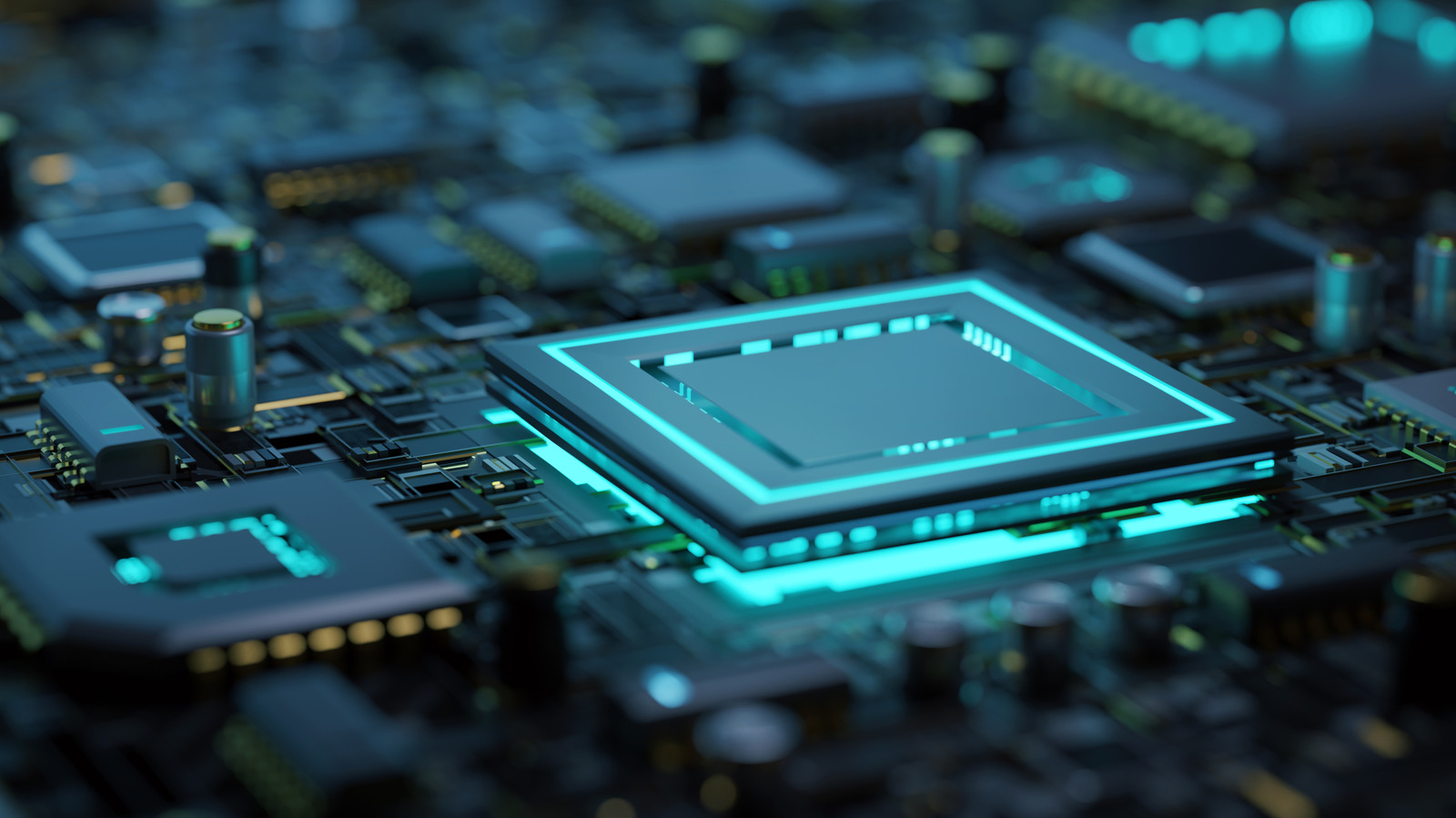
Building a new PC is a major investment, especially with prices of some components skyrocketing recently. Given the expense, it's natural to wonder not just if you can afford it now, but how long a PC should last if you do fork over the cash to build one. The central processing unit (CPU) is one of the biggest expenses in building a PC, but you likely won't need to buy a new one too often.
Under most conditions, you don't need to worry about your processor wearing out from regular use. Manufacturers don't list specific expected lifespans for their processors, but it's not uncommon for a CPU to remain functional for a decade or more after it's installed. Rather than your CPU failing, it's much more likely that you'll eventually want to replace it when it can't keep up with the new games or programs you use your PC for.
The most common time for a processor to fail is when it's still new. The manufacturing process can produce faulty CPUs from time to time, and when that happens, they'll likely give you trouble from the start. If you've had your CPU for a while, some of the signs that it's failing are your computer freezing for no clear reason, failing to boot or randomly restarting. All of these problems can be caused by other hardware, though, and pinning the problem to the CPU is as difficult as it is rare.
If your computer isn't performing as you'd like it to, it's worth checking if your CPU is just outdated .
Source link