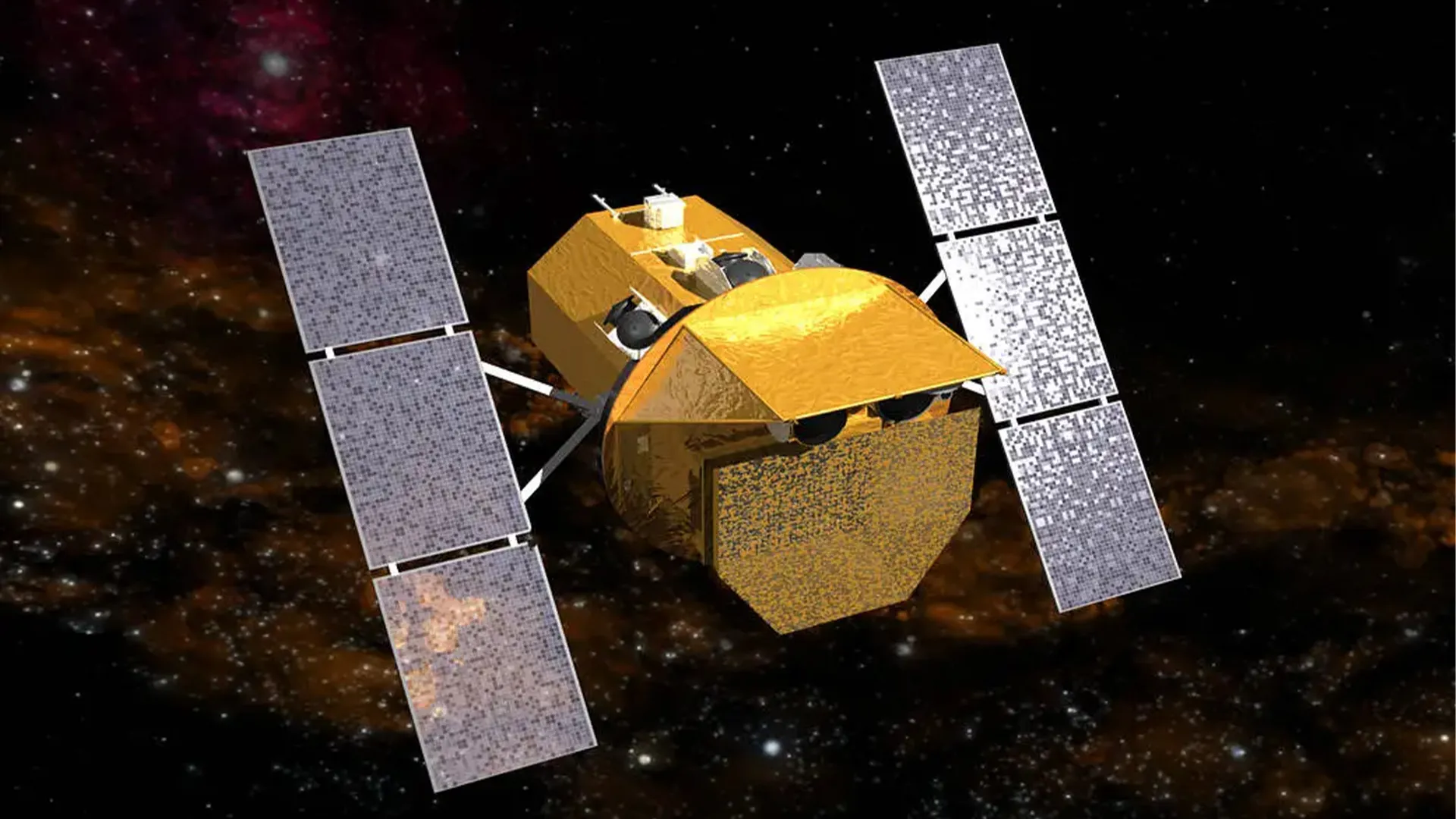
Most of the space telescope is slated to burn up in the atmosphere, but some fragments may make their way down to Earth.
The Neil Gehrels Swift Observatory — formerly known as the Swift Gamma-Ray Burst Explorer — is in its final days. The space telescope was launched into orbit on Nov. 20, 2004. Almost 22 years to the day, it’s expected to come crashing back down on Wednesday.
“Swift delivered an incredible, lasting return on investment for the nation, designed for a two-year primary mission but productive for more than 10 times as long,” Shawn Domagal-Goldman, director of the Astrophysics Division at NASA, said in a statement last month.
NASA says the telescope should hit the atmosphere on Nov. 4 at around 3:30 a.m. ET, but the agency acknowledges an 11-hour window during which reentry is possible. That means it could come down in the middle of the night or the middle of the day. Most of the telescope is likely to burn up in orbit, with only a few components expected to reach Earth.
The location where those components splash down depends entirely on when Swift reenters the atmosphere. However, NASA says that the surviving fragments are “limited between 20.6 degrees south latitude and 20.6 degrees north latitude.” On a map, that would create a band around the middle of the Earth terminating just above and just below the equator.
“The risk of harm coming to anyone on Earth is unlikely — approximately 1 in 2,100,” NASA said in a statement .
Source link