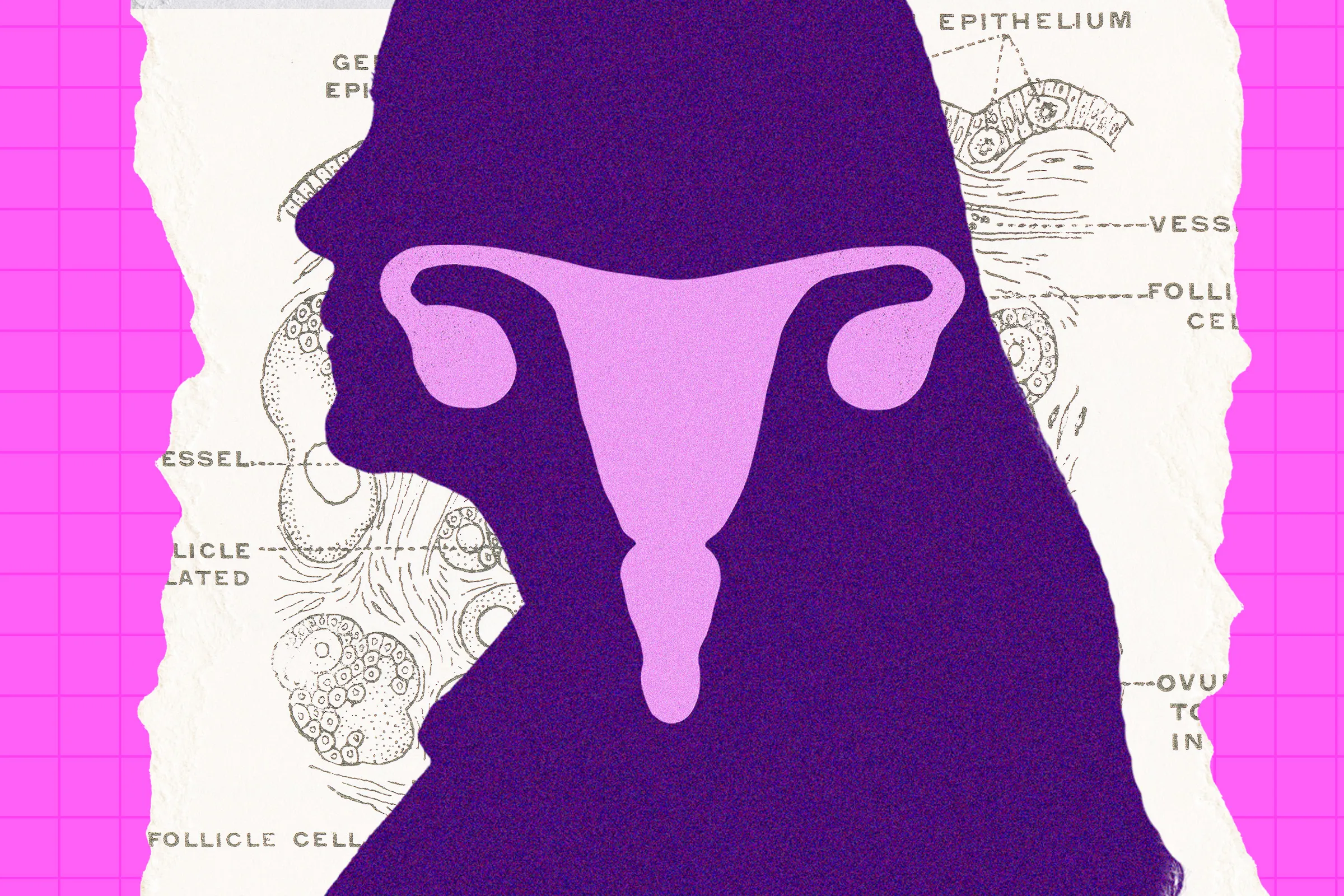
When Francesca Duncan decided to take a look at what was going on in postmenopausal ovaries, she assumed she wouldn’t find much of interest. In a woman’s reproductive years, the ovary is exceptionally dynamic, shifting form and function from day to day throughout her cycle. But after menopause, when egg supply has dwindled and hormone production has waned, the ovaries are often thought of as little more than empty sacks.
“I assumed it was just sitting there inert,” says Duncan, a reproductive biologist at Northwestern University, who was only looking at postmenopausal ovaries as part of a project to map a cellular aging process called senescence throughout the body.
Instead, Duncan found that aged ovaries were anything but stagnant. When looking at the protein composition of ovaries of postmenopausal women between the ages of 50 and 75 years old, her team found that the molecular signatures differed significantly across the decades. The oldest ovary looked nothing like a 60- or 70-year-old organ at the molecular level. She was shocked. “Clearly something is still happening,” says Duncan.
A new wave of discovery is forcing researchers to recast the ovary not as an egg factory with an expiration date, but as an organ that impacts a woman’s overall health and may shape the trajectory of aging long after the fertile years have passed. What they are only beginning to understand is whether changes to the ovary after menopause are harmful, protective, or some combination of the two, shifting over time.
Source link