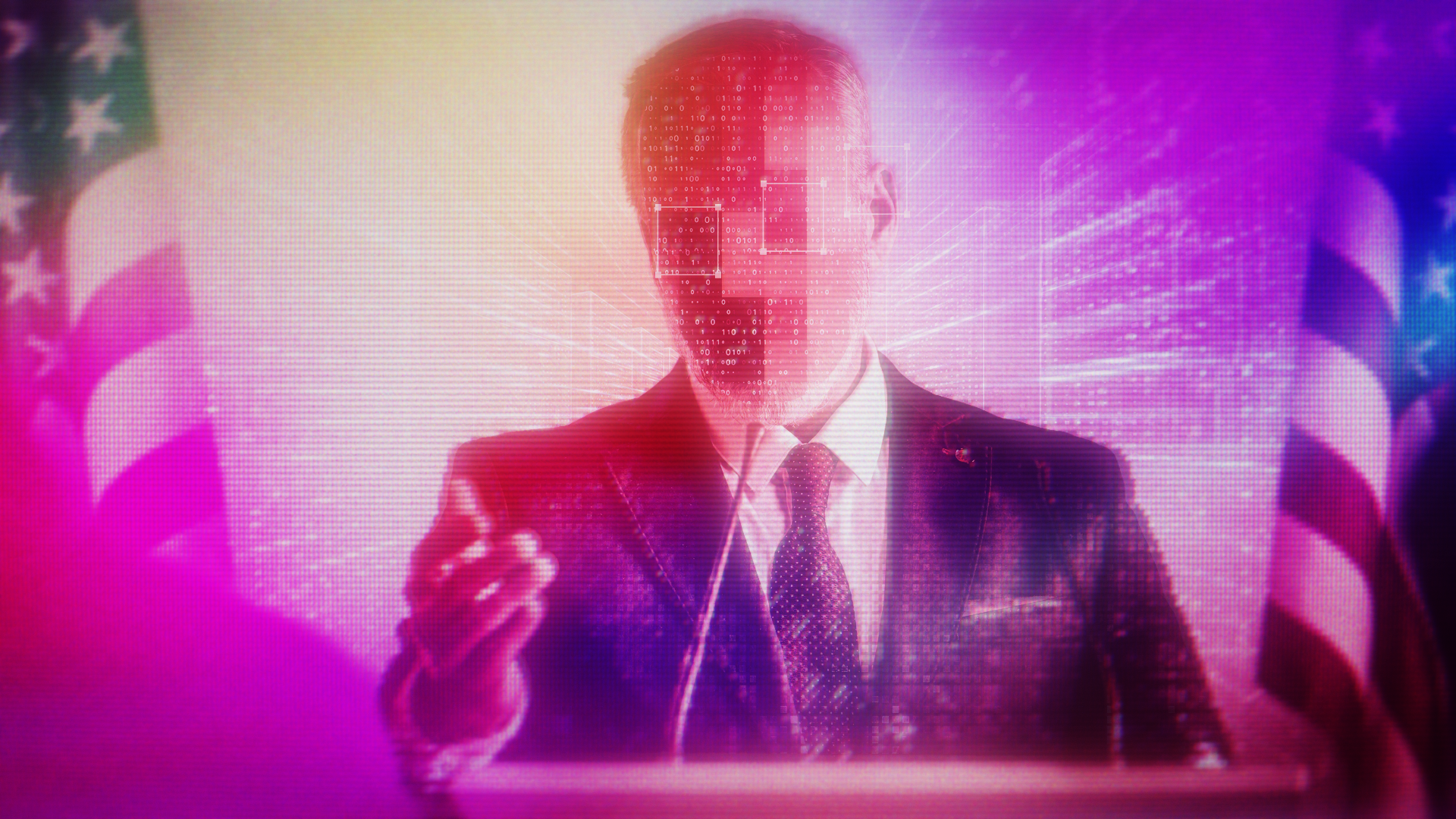
In the age of AI, you can no longer automatically believe what you see. AI image and video generators make it easy for anyone to create realistic media, and thanks to model improvements over the past two years, it’s nearly impossible to distinguish real from AI. That’s never been more frustrating or dangerous than it is now during election season.
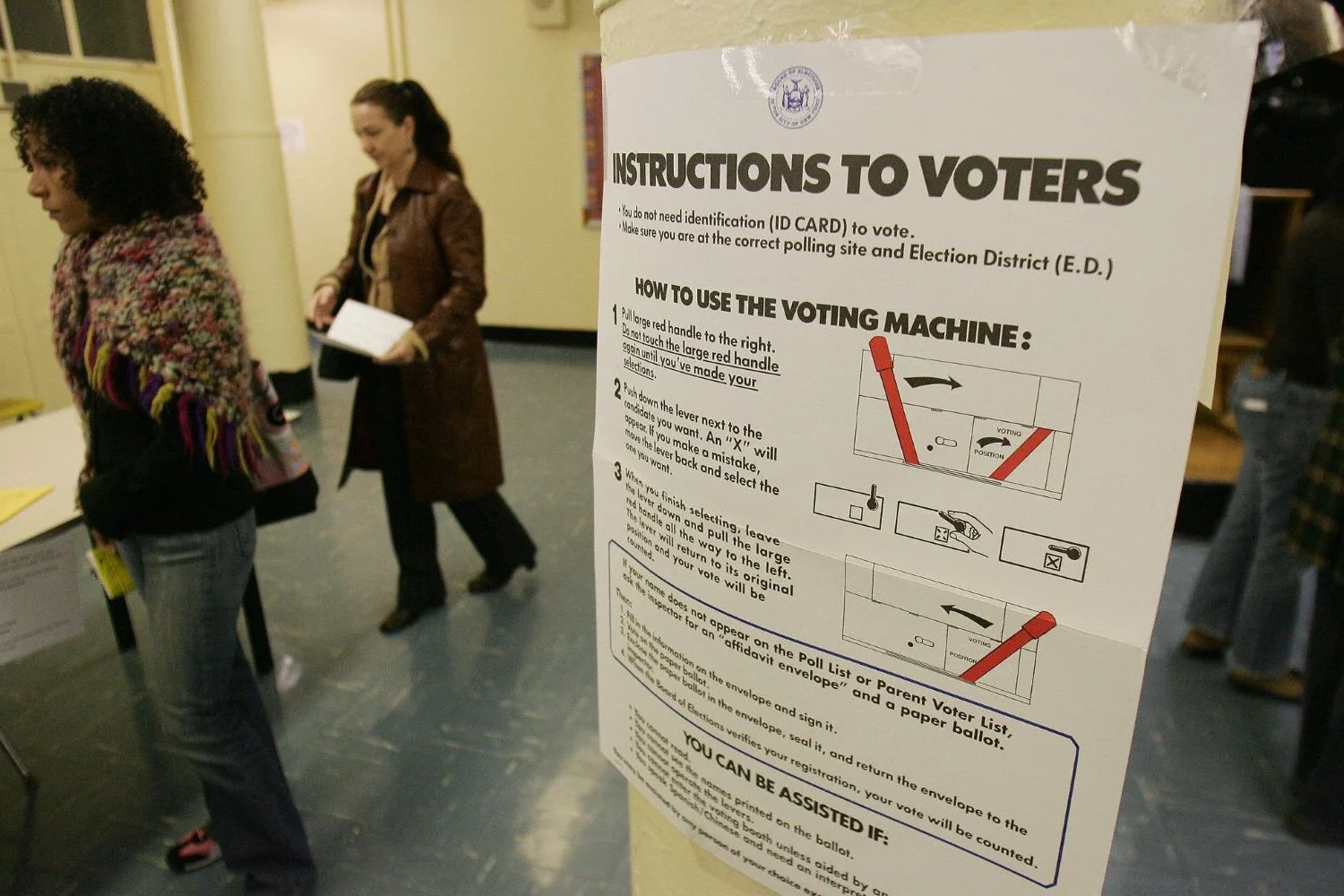
The 2026 midterm election is on Tuesday, Nov. 3. All 435 House of Representatives seats are on the ballot, along with 33 Senate seats and many other state and local races across the country. You can check your voter registration and see who’s on your ballot now using Vote.org’s free tool.
This fall, we’ve seen a number of AI-edited political ads, with and without disclosures about their AI use. Unsurprisingly, we’ve seen AI used in some high-profile races, including to give Georgia Senator Jon Ossoff AI cosmetic procedures and to make it seem like Texas Senate candidate James Talarico had defaced a Bible. Political campaigns and groups have spent more than $16 million on these AI ads this year, a CNN analysis found.
We’ve seen how generative AI can wreak havoc during election season. During the 2024 presidential primary, many New Hampshire voters got phone calls from an AI voice replica of Joe Biden urging them not to vote. This wasn’t sanctioned by the Biden campaign, and AI robocalls are illegal, so the Democratic political consultant behind it was charged with voter suppression and fined $6 million.
Source link