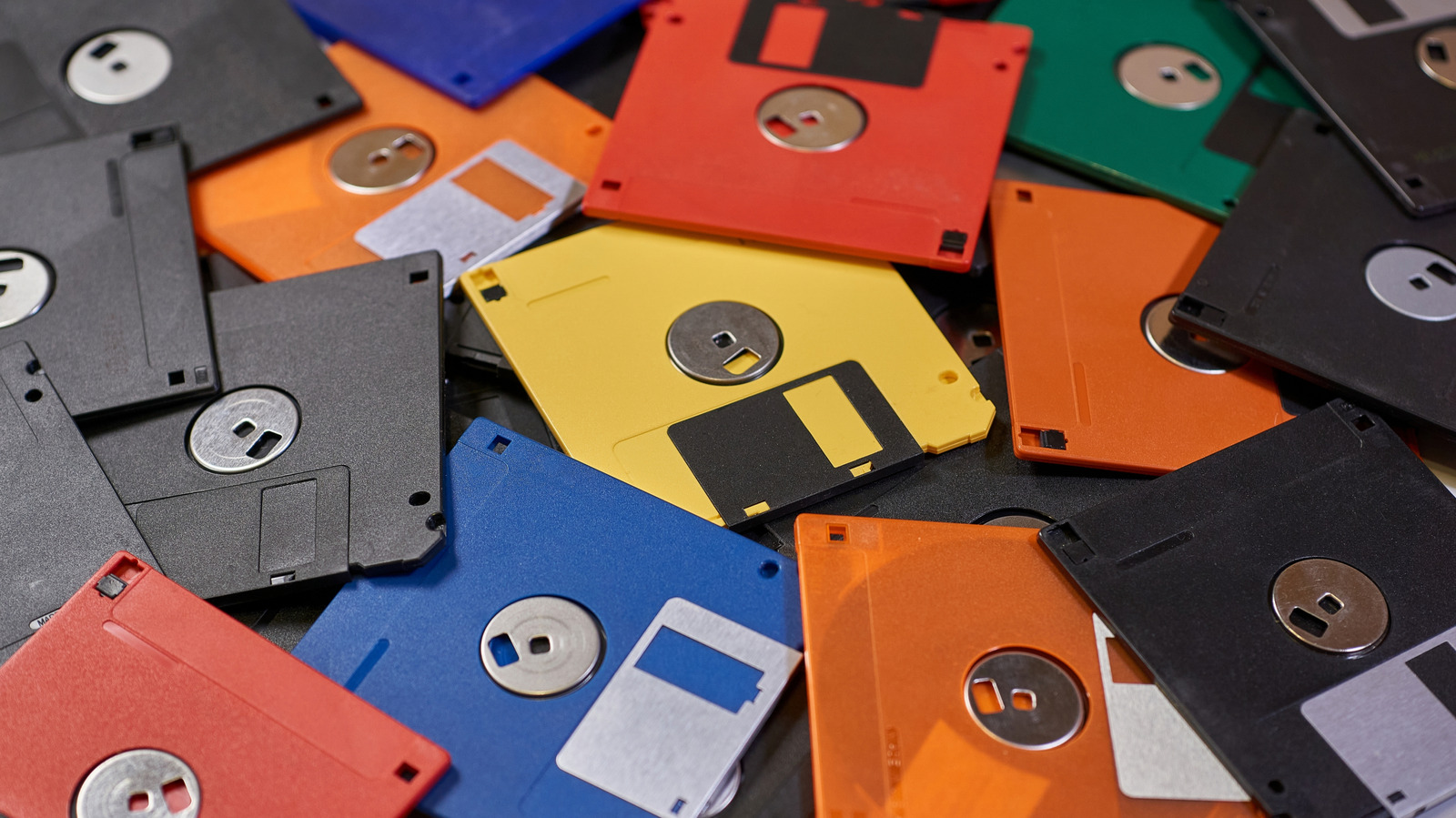
The US Federal Aviation Administration is getting some probably overdue upgrades. The flight agency announced today that it is modernizing some air traffic control systems that have to date been running on floppy disks. You read that right: floppy disks.
For those of you too young to remember, floppy disks were precursors to CDs as a means of storing and running digital data, particularly computer files and programs. IBM developed the first one back in 1971. The FAA systems in question date back to the 1980s. Unsurprisingly, the bulletin from the agency says the coming upgrades will give air traffic controllers faster access to information, reduce repair expenses and improve safety for public air travel.
The FAA's diskette systems contain "vital weather and other critical information" for air traffic controllers, and they're still in use at more than 400 facilities around the country. They'll be replaced by a more modern system called Enterprise – Information Display System (E-IDS), which is comprised of a digital display for relaying status information, updates and other alerts to air traffic teams. The FAA plans to have E-IDS installed in 435 sites by the end of 2028; the first five locations to receive the upgrades are the Atlantic City International Airport, Nashville International Airport and Greater Rochester International Airport, as well as data processing hubs in Atlanta and Salt Lake City.
Despite the age of floppy disk tech, they've actually remained more common in government systems than you might expect. The US Air Force only just ended its use of 8-inch diskettes tied to nuclear missile launch silos in 2019.
Source link