This is today’s edition of The Download, our weekday newsletter that provides a daily dose of what’s going on in the world of technology.
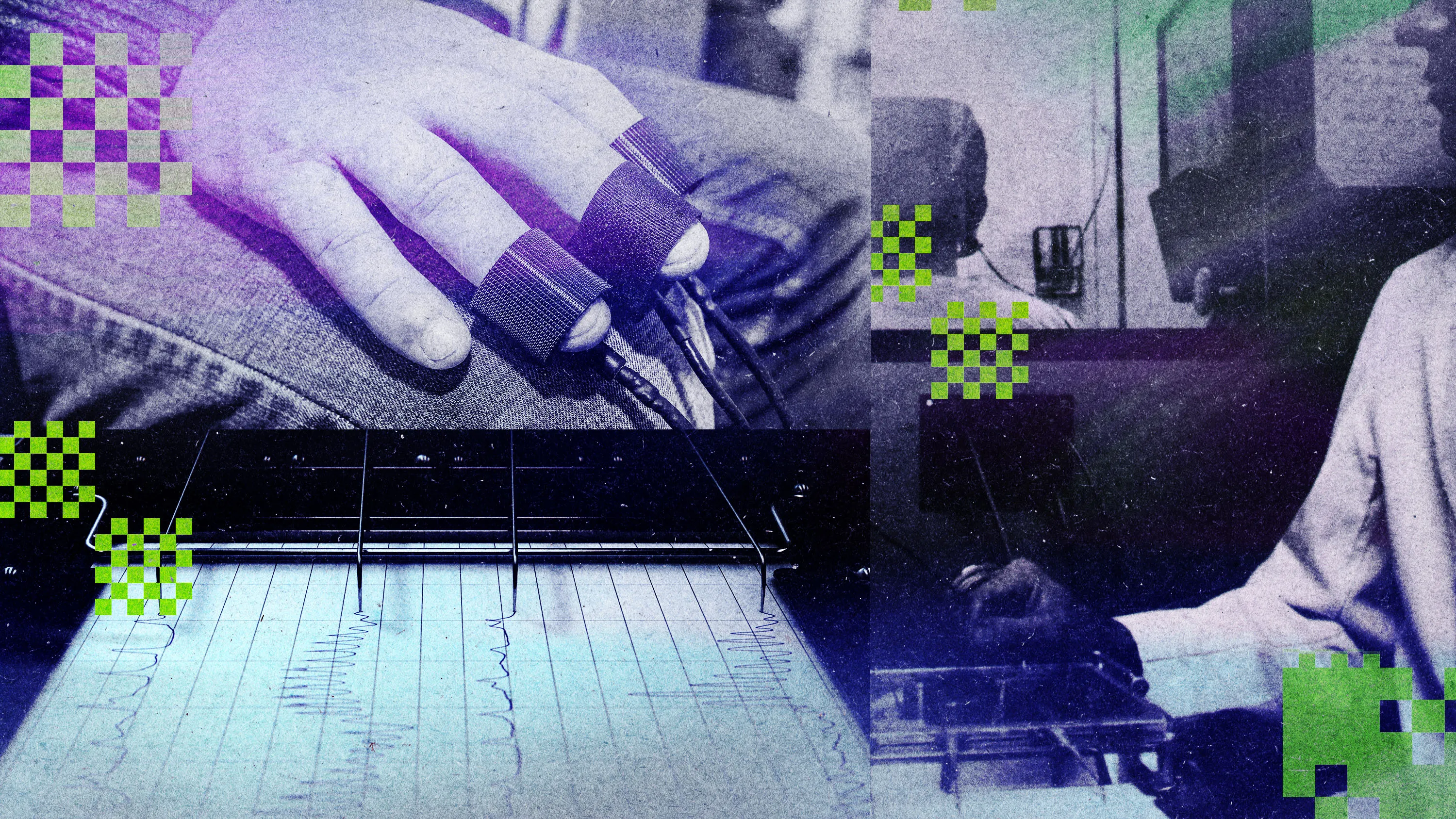
The US government wants to spend $30.3 million over the next five years on an improved lie detector, according to a Department of Defense budget request.
The program, called “Polygraph+” or “Polygraph Next,” will focus on scoring algorithms that use AI and machine learning, as well as a technique called “standoff sensing,” which can take physiological readings from a person without attaching a device to them.
The project aims to improve the accuracy and reliability of polygraph assessments. But it could just be the latest in a long line of failed attempts to use technology to detect lies.
Here’s how the program could work—and why experts say AI-enabled lie detection is “the worst of both worlds.”
Around this time last year, a hot mic caught Vladimir Putin and Xi Jinping discussing the possibility of living forever. “With the developments of biotechnology, human organs can be continuously transplanted, and people can live younger and younger, and even achieve immortality,” Putin reportedly said.
He seemed to be referring to the “replacement” theory of longevity, supported by experiments that involved physically stitching young mice to old ones. Unfortunately for Putin, new research on transplanted hearts pours a little cold water on this idea. But it also offers useful insights for organ transplantation.
Find out what the research reveals about the limits of rejuvenation.
Source link