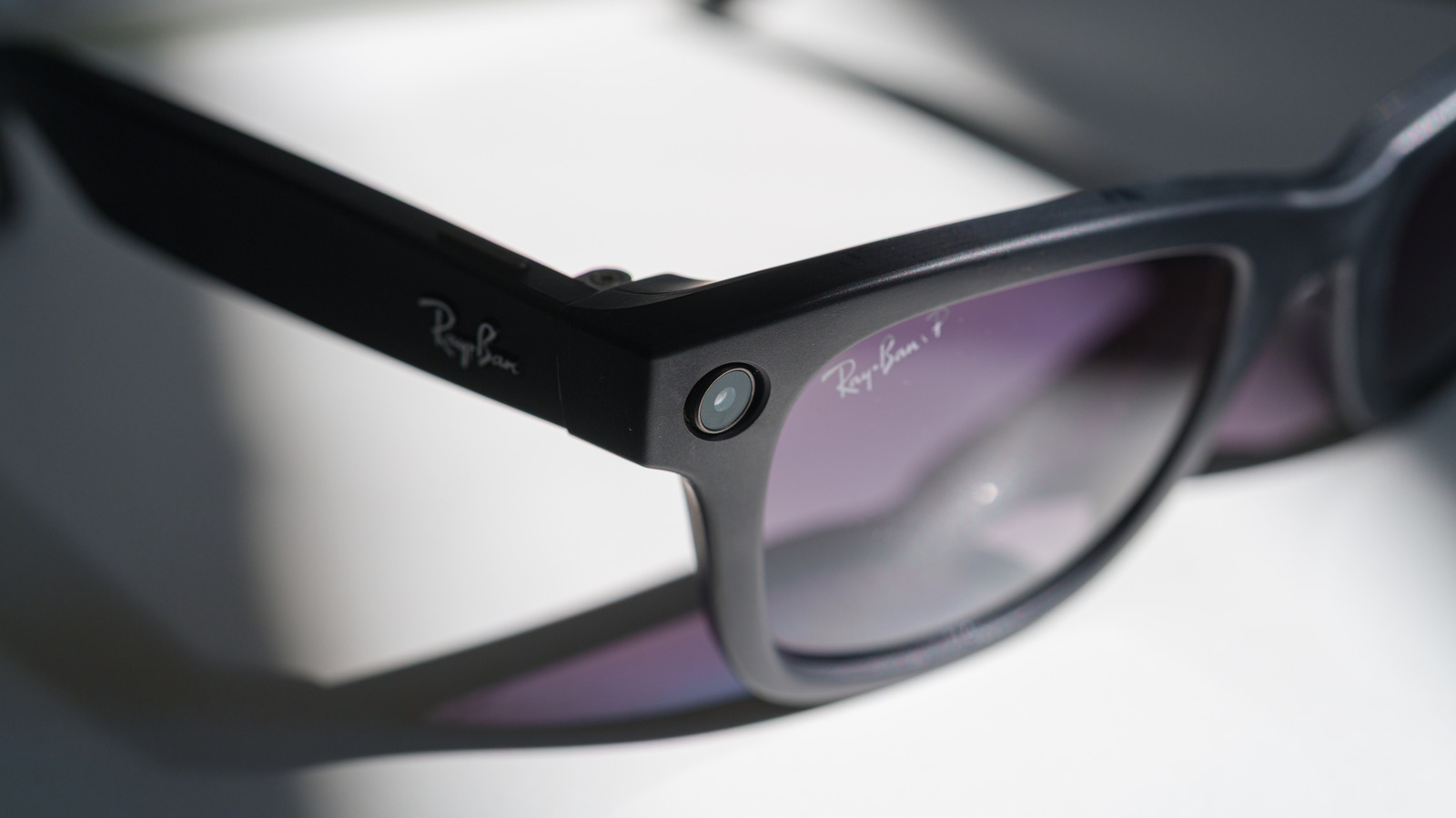
The world of AI glasses, or smart glasses as they're perhaps more commonly known, has been a truly fascinating one to watch develop. What once felt like something out of a classic science fiction film — that of a pair of glasses with technology and cutting-edge hardware built directly into them — has become one of a very plausible, and altogether expensive, reality.
On the one hand, it's always fun to see how technology evolves and improves over time. On the other, it's a piece of technology that has some rather alarming history attached to it, as well as some incredibly valid concerns about its future.
The rise of smart glasses was a swift one, and it's a market that is quite healthy. A 2026 survey conducted by Security.org found that 25 percent of respondents reported that they were likely to buy a pair of smart glasses in the coming year. Like every other piece of technology that came before it, smart glasses are only as good as the people who use them, and their place in our increasingly surveyed society is one that is worth having a conversation about.
If you've spent any amount of time scrolling YouTube or a social media platform that has shorts or reels of some kind, you've likely seen a content creator using smart glasses. They're incredibly popular amongst tech content creators and repair shops, mostly being used as a way to showcase their day-to-day business. In that sense, the technology is quite endearing, as it gives you a gateway into something that's actually beneficial.
Source link