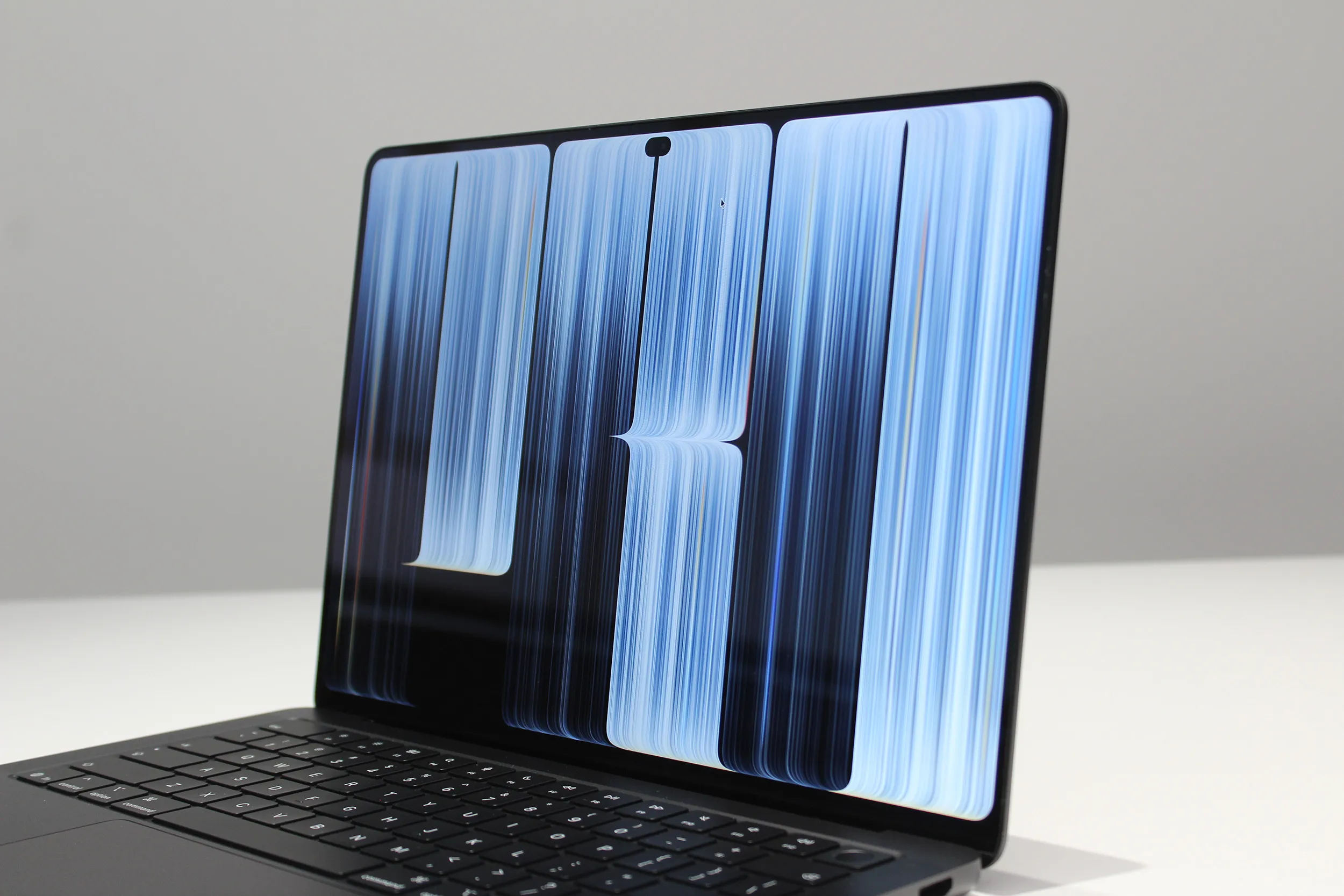
Laptops with OLED screens aren’t particularly special. They’ve been around for a decade. You can currently buy a touchscreen OLED machine for as little as $700, and even the iPad Pro has had an OLED screen since 2024.
So, why did Apple wait over a decade to release its own touchscreen OLED MacBook Pro? The simple answer for the long wait is that the company wanted to do it “the Apple way.” But in this case, “the Apple way” involves somehow cranking up the display to 2,000 nits, solving both the brightness and glare problems that OLED laptops have always suffered from.
Having seen the thing with my own eyes at a media event today in Los Angeles, I can tell you that this screen is the real deal.
Apple is using a tandem OLED panel, the same layer-stacking technology used in the OLED iPad Pro. The real innovation here, however, is that the panel has been optimized to hit a new peak brightness of 2,000 nits, and that’s a result that matters.
That big number is meaningless on its own, but here’s the context. Nits are the standard measure of screen brightness used across the consumer tech industry. A cheap OLED laptop maxes out around 300 nits. A higher-end OLED laptop might get you up to 1,000 nits of brightness—but only in brighter and more colorful High Dynamic Range content like specific streaming apps, YouTube videos, and games. In other words, the vast majority of the time you’re using an OLED, it’ll feel like a dimmer screen than normal.
Source link