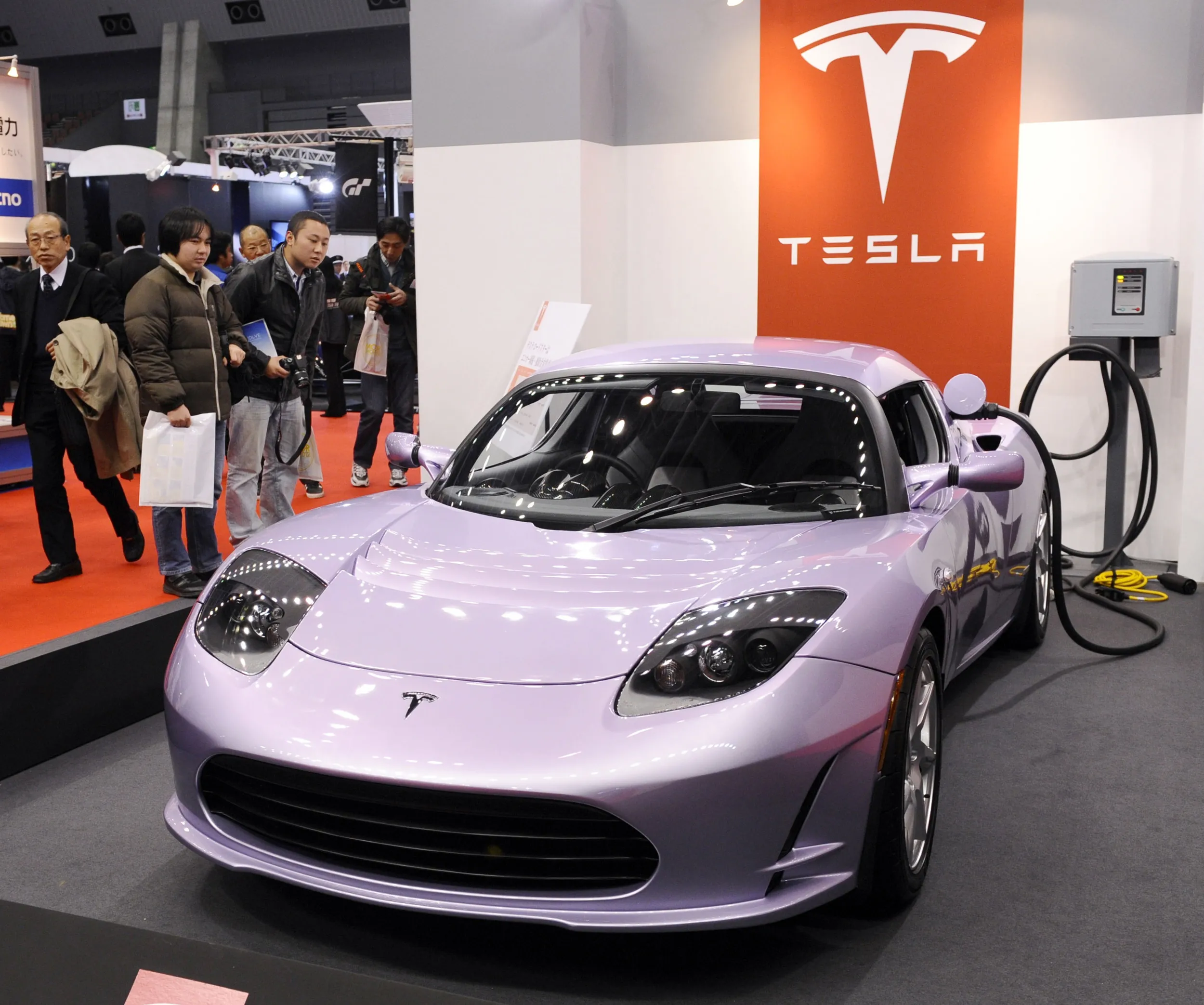
Almost nine years ago, a tanned, relatively well-rested-looking CEO named Elon Musk announced that his electric car company would make a new sports car, the Tesla Roadster 2. It would be “the fastest sports car ever made, period,” Musk said on stage in 2017. “The point of doing this is to give a hardcore smackdown to gasoline cars.” Lights flashed, and the red prototype did a few speedy laps behind him.
Times have changed. Musk is the leading donor to a political party that last year nixed buying incentives for electric vehicles and last month adjusted fuel-economy standards to make it easier for automakers to skip making EVs altogether. Musk has said he’s not even in the business of making cars anymore, instructing investors to think of Tesla as a robotics and autonomy company. On Thursday night, Tesla will host what it has billed as its last unveiling event for a human-driven vehicle. Six years after it was supposed to roll into driveways, the Roadster 2 is finally here. Tesla is slated to start deliveries next year.
“EVs exist today in a massively different environment than when the Roadster was introduced,” says Ed Kim, president of AutoPacific, an automotive research firm. When Tesla announced the car back in 2017, electrics were “toys for early adopters,” he says. By 2020, other automakers saw Tesla’s sky-high valuations and lawmakers’ plans to transition vehicles to batteries and made big electric promises , investing heavily in the shift. China began to dominate EV-making .
Source link