In the lead-up to a presidential election that would irrefutably transform American culture, Hillary Clinton took the stage at a rally in Virginia as she campaigned to become the first female president.
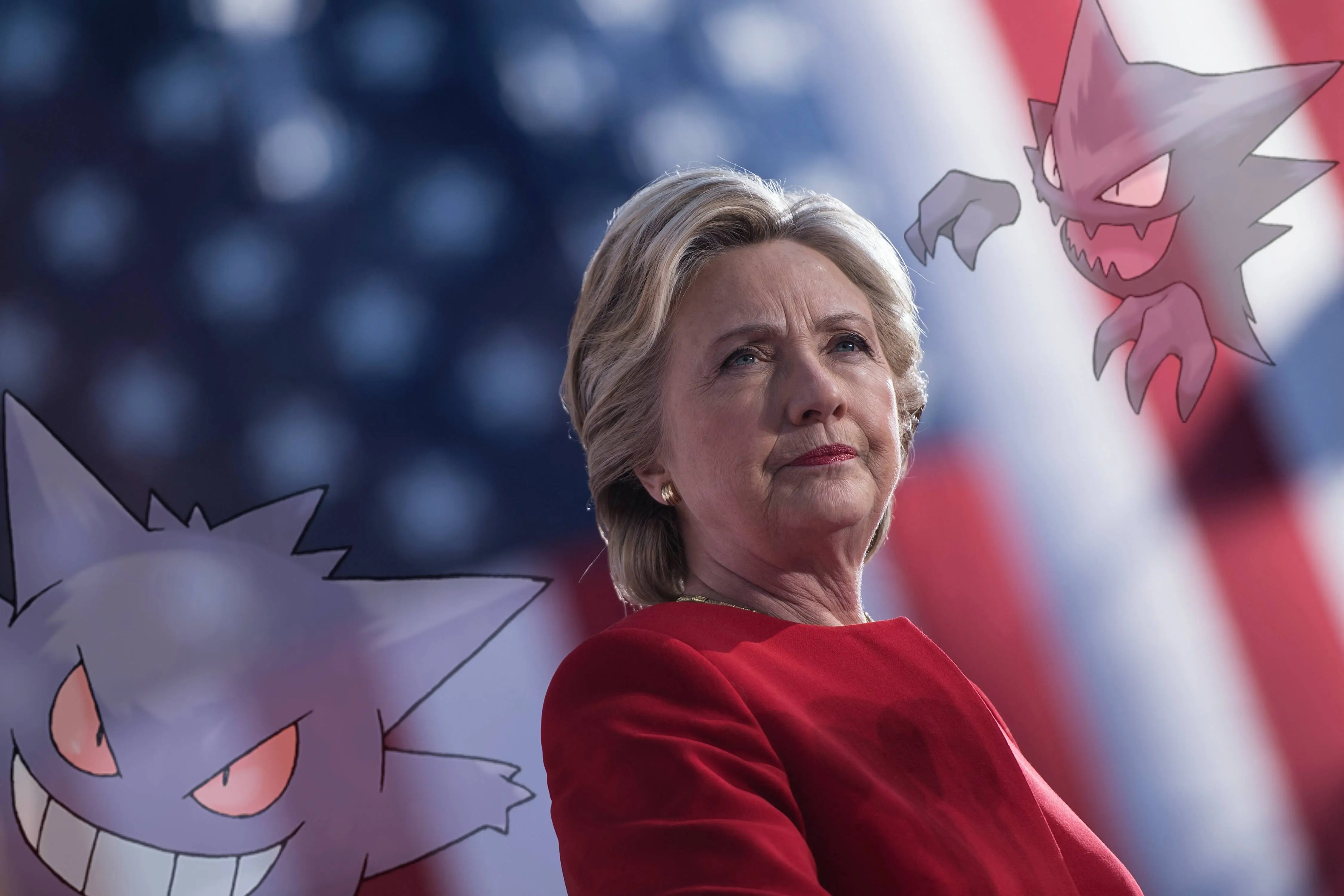
“We’re going to have a lot of jobs — jobs from building infrastructure to coding. Creating new apps,” she said. “I don’t know who created Pokémon Go, but I’m trying to figure out how we get them to have Pokémon Go to the polls.”
Ten years later, it is once again Election Day in the United States. Now, most app developers aren’t even writing their own code anymore, thanks to AI, and Pokémon Go has been sold to a company wholly owned by Saudi Arabia’s sovereign wealth fund. The only thing about that political moment that hasn’t changed is that “Pokémon Go to the polls” memes still crop up on every Election Day.
“It was very bold and confident, and also just sounded so terribly out of touch and corny,” Cesar Ruiz de Castilla, an elected ward committee member in Philadelphia, told TechCrunch. “I don’t know if the mainstream media cared that much about it, but everyone was making a meme about it and talking about it online.”
Since then, digital culture has become increasingly inextricable from the fate of American politics. Donald Trump tweeted his way through his first term, then later started his own social media platform ; presidential campaigns hire meme managers ; the White House invites podcasters and content creators to press briefings; Elon Musk even spun up his own advisory group under Trump that named itself after the cutesy doge meme and then slashed international aid programs.
Source link