
The front porch used to play an important role in everyday life. Neighbors who weren’t necessarily close friends saw each other, stopped to talk, and maintained a sense of community. Then daily life moved indoors. Air-conditioning made staying inside more comfortable, television pulled families into the living room, and backyard patios offered more privacy so you didn’t have to say “hi” to the overly talkative neighbor.
There was no single moment when the front porch disappeared. It just gradually became less central to the way people connected, and faded away.
Technology has made it possible to collaborate across locations and time zones, while AI is helping work move faster than ever. But constant connectivity has also weakened the boundaries around the workday. An open hour at noon can quickly become another meeting or a chance to catch up on work.
Peer pressure plays a role too. Employees see colleagues and leaders eating at their desks or scheduling meetings over lunch with a polite, “Sorry, it was the only free time I could find.” Eventually, skipping lunch becomes an unwritten expectation rather than an individual choice. And when that behavior is rewarded with recognition and career growth, the expectation becomes even harder to challenge.
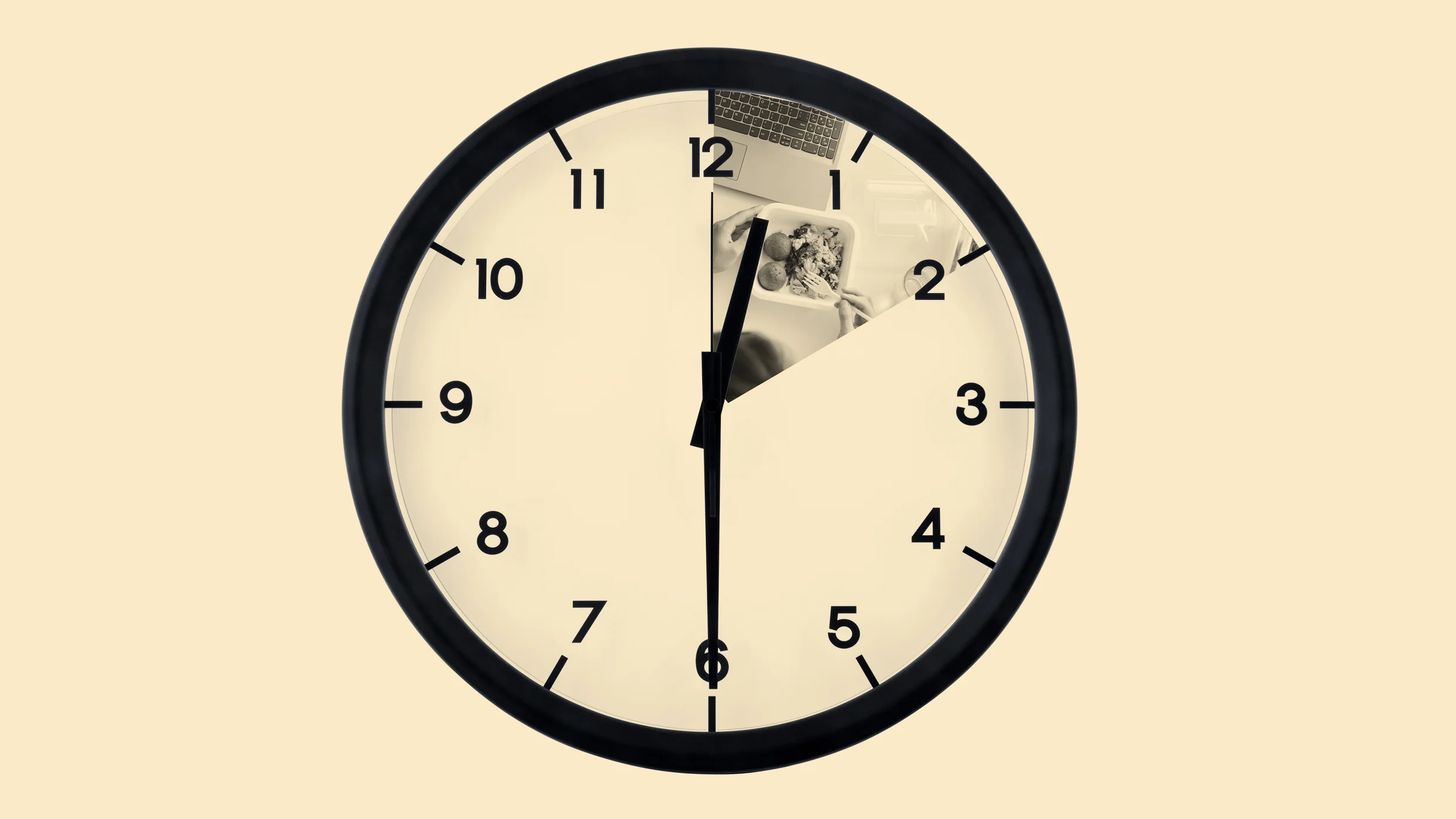
Yet lunch is one of the few natural opportunities during the workday to step away and connect with colleagues without an agenda. It also gives employees a chance to decompress, take a walk, and mentally reset before tackling the rest of the day. Leaders who want sustainable performance should make sure that opportunity doesn’t disappear.
Source link