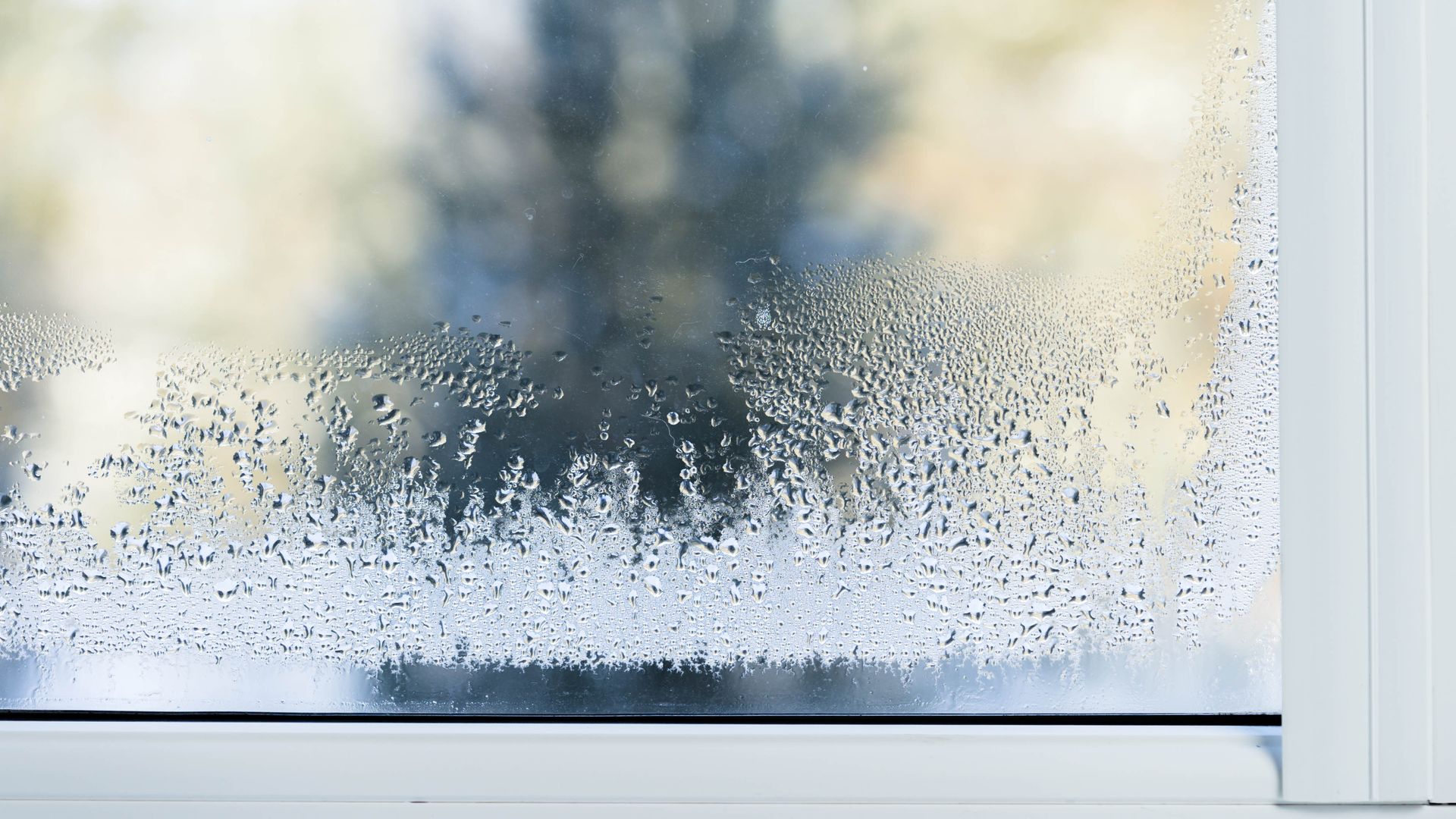
I live in a Victorian property, and as soon as the temperature drops, I instantly notice a shift in my home’s environment.
I wake up to find condensation on my windows and mold on my window seals. Although I love the traditional features my home offers, it doesn’t handle rising moisture levels well.
However, these mold and condensation issues haven’t put me off. After nearly three decades in my home, I’ve learned to spot the early warning signs and take swift action to keep them from taking over.
It can be a big worry when you realize you’ve got extra moisture in your home, and then you have to decide whether it’s something to worry about or just part of everyday life. So I asked David Cree, Partner at Chartered Surveyors, DM Hall, to share the early warning signs to look out for and when they need closer attention.
"Condensation and mold are understandably worrying for homeowners, but a mark on a surface does not automatically mean there is a major underlying problem or that an expensive repair will be required,” says Cree.
“What matters is identifying where the moisture is coming from and why it is collecting in that particular area."
As a surveyor, he says he’s used to spotting the subtle warning signs before a patch of mold appears. And he urges homeowners to watch for persistent condensation, a slight musty smell, peeling decoration or isolated marks behind furniture.
Once you understand the pattern of issues excess moisture can cause, you can check the ventilation and monitor whether it returns.
Source link