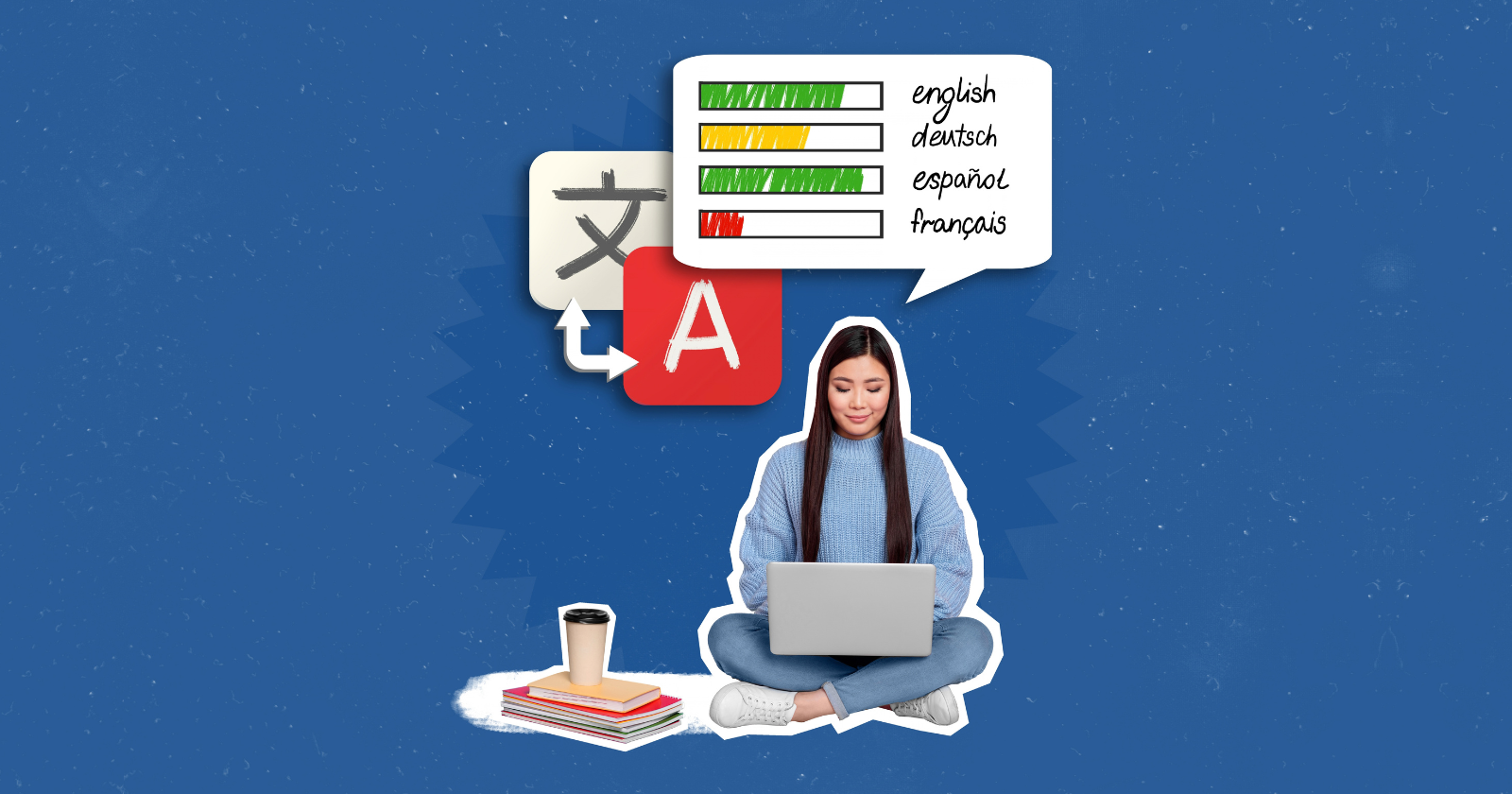
Your English-only AI visibility checks can miss how brand recommendations change when AI answers the same buying questions in five different languages.
Chances are you’ve already got some idea of your brand’s visibility in AI responses. But I’m willing to bet those visibility checks were carried out in just one language: English.
If a customer in Singapore asks an AI chatbot a buying question in Simplified Chinese, and a customer in Kazakhstan asks the same question of the same AI in Russian, would they get the same recommendation? What about a customer in Riyadh asking in Arabic or a customer in Los Angeles asking in Persian?
These aren’t hypothetical customers. According to Statcounter’s August 2026 figures, ChatGPT was responsible for roughly three-quarters of website visits that came from AI chatbots in Saudi Arabia, Kazakhstan, and Singapore. Add in Claude and Gemini, and these three U.S.-based models accounted for more than 90% of AI referrals in each market.
Of course, you don’t need to leave the U.S. to find customers whose first language isn’t English. More than half of Los Angeles County residents speak another language at home, including around 74,000 Persian speakers, according to the latest Census estimates. I’d be surprised if they all switched to English every time they opened ChatGPT.
But when somebody asks an AI chatbot a question in another language, the response won’t simply be a translation of the answer it would give in English. The AI reasons and composes its response in that language .
Source link