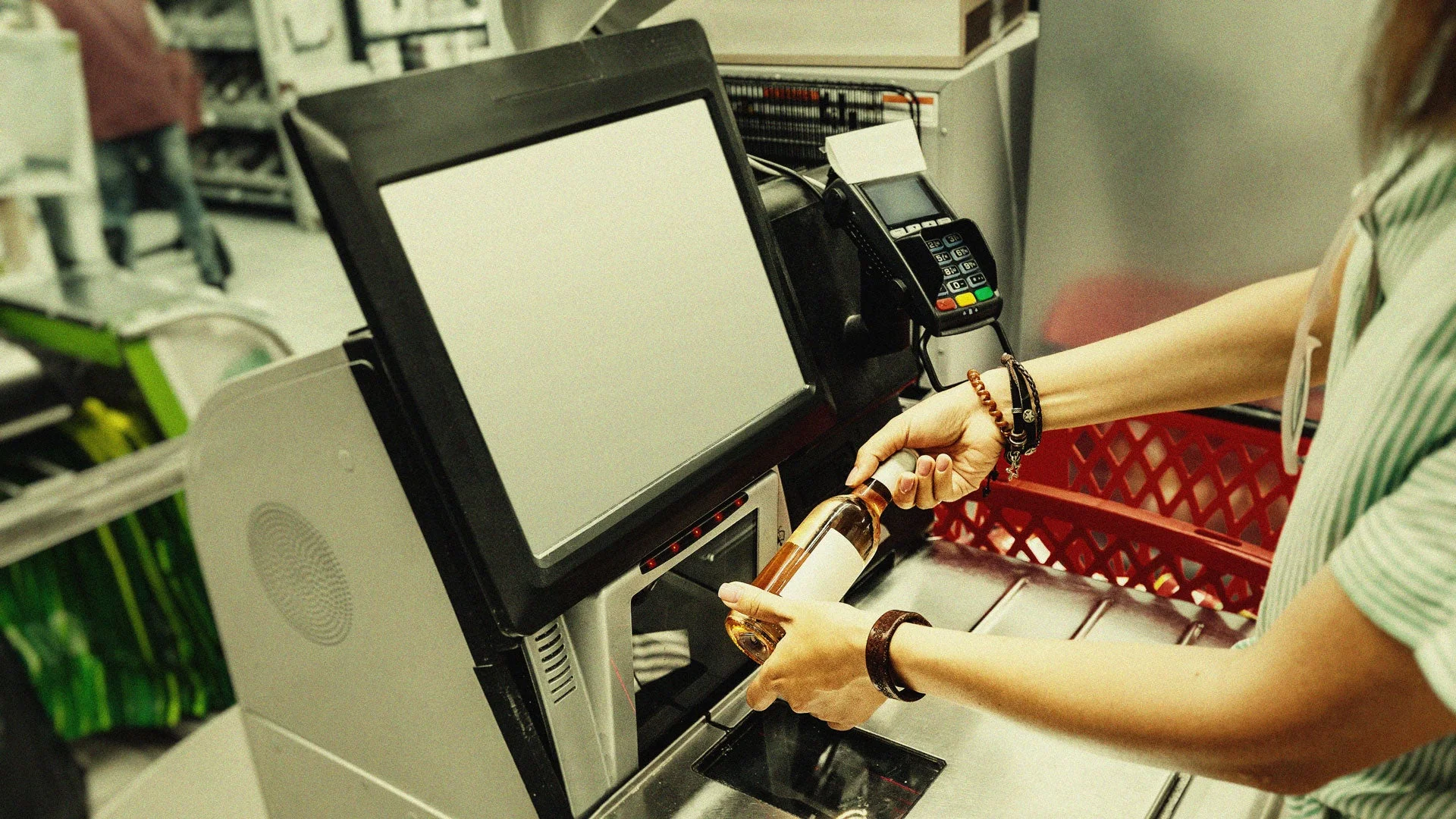
According to an April survey from Toast, a point-of-sale and restaurant management platform, approximately 36% of 340 small and midsize retail operators said they used self-checkout lanes this year, down from 43% in 2025.
According to a report from ECR Retail Loss, grocery stores experienced an average 22% increase in merchandise losses in the year after installing self-checkout lanes. These losses included both theft and accidental errors, such as missed scans and incorrect product selections.
Sylvain Charlebois, professor of food distribution at Dalhousie University in Nova Scotia, told Inc. that self-checkout kiosks provided some stores with relief by shifting work to customers. However, he noted that retailers still face significant risk.
“For someone buying a few items, self-checkout can be convenient. For a full grocery cart, repeated alerts and requests for assistance can make it frustrating. My interpretation is that some retailers expanded the technology beyond the transactions it handles best,” he said.
According to ECR Retail Loss, product losses at grocery stores with self-checkout lanes were 33% higher than at retailers without them. Those numbers may be spurring some businesses to pull back on the technology.
According to The Independent, Dollar General removed self-checkout lanes from about 12,000 stores in 2024. Five Below also reduced its use of the technology that year.
Although stores are stepping back from self-checkout lanes, retailers are still seeking out efficient technology solutions.
According to the Toast survey, 75% of retail operators plan to increase technology spending in the next 12 months, up significantly from 64% last year.
Source link