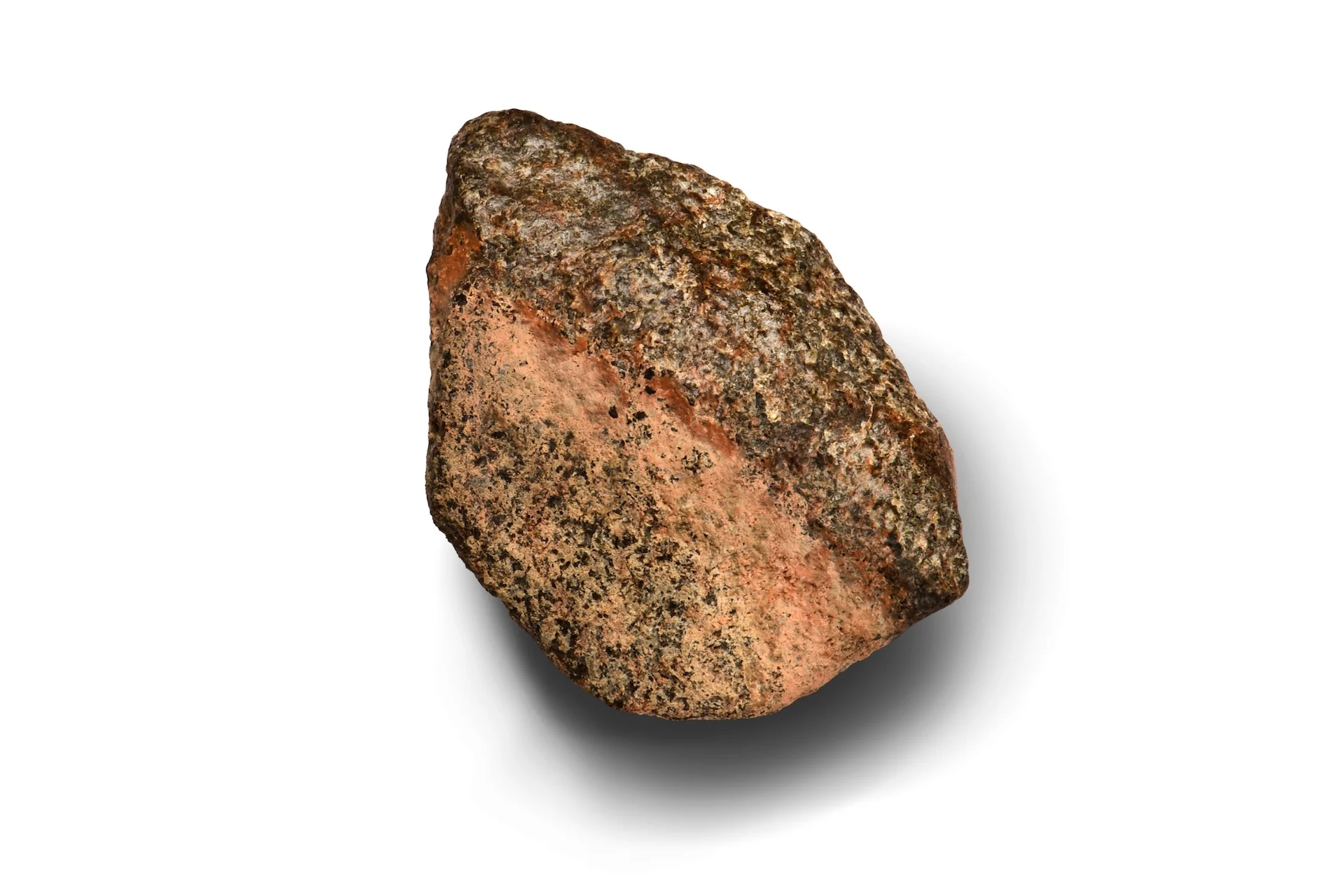
In 2022, meteorite hunters discovered scattered fragments of an unusual rock in the Sahara Desert in northern Mali. The fragments would later be identified as Martian in origin, but their age remained another mystery. Now, scientists have dated the meteorite, known as Teghaza 001, to approximately 4.1 billion years ago, making it a valuable window into the Red Planet’s ancient history.
The recent findings, published in Science, suggest that Teghaza 001 is one of the oldest Martian meteorites ever found on Earth, offering a rare glimpse of the planet less than 500 million years after it formed.
“It was only after we started looking closely that we realized this meteorite is really unique,” Yang Liu, a geologist at NASA’s Jet Propulsion Laboratory and lead author of the paper, said in a statement. “One of the paper’s reviewers called it a Rosetta Stone for Mars.”
Scientists have identified more than 400 Martian meteorites that were flung from the Red Planet by some sort of impact and landed here on Earth. Most Martian meteorites scientists have studied are relatively young, giving us a limited picture of the planet’s earliest geological history.
Teghaza 001 belongs to an exclusive group of Martian meteorites that preserve a record of the Red Planet’s earliest history, alongside famous specimens such as ALH 84001 and Black Beauty (NWA 7034). But Teghaza 001 stands out for its unusual mineral composition, which sets it apart from other ancient Martian rocks.
Teghaza 001 was initially classified as a shergottite, the most common type of Martian meteorite.
Source link