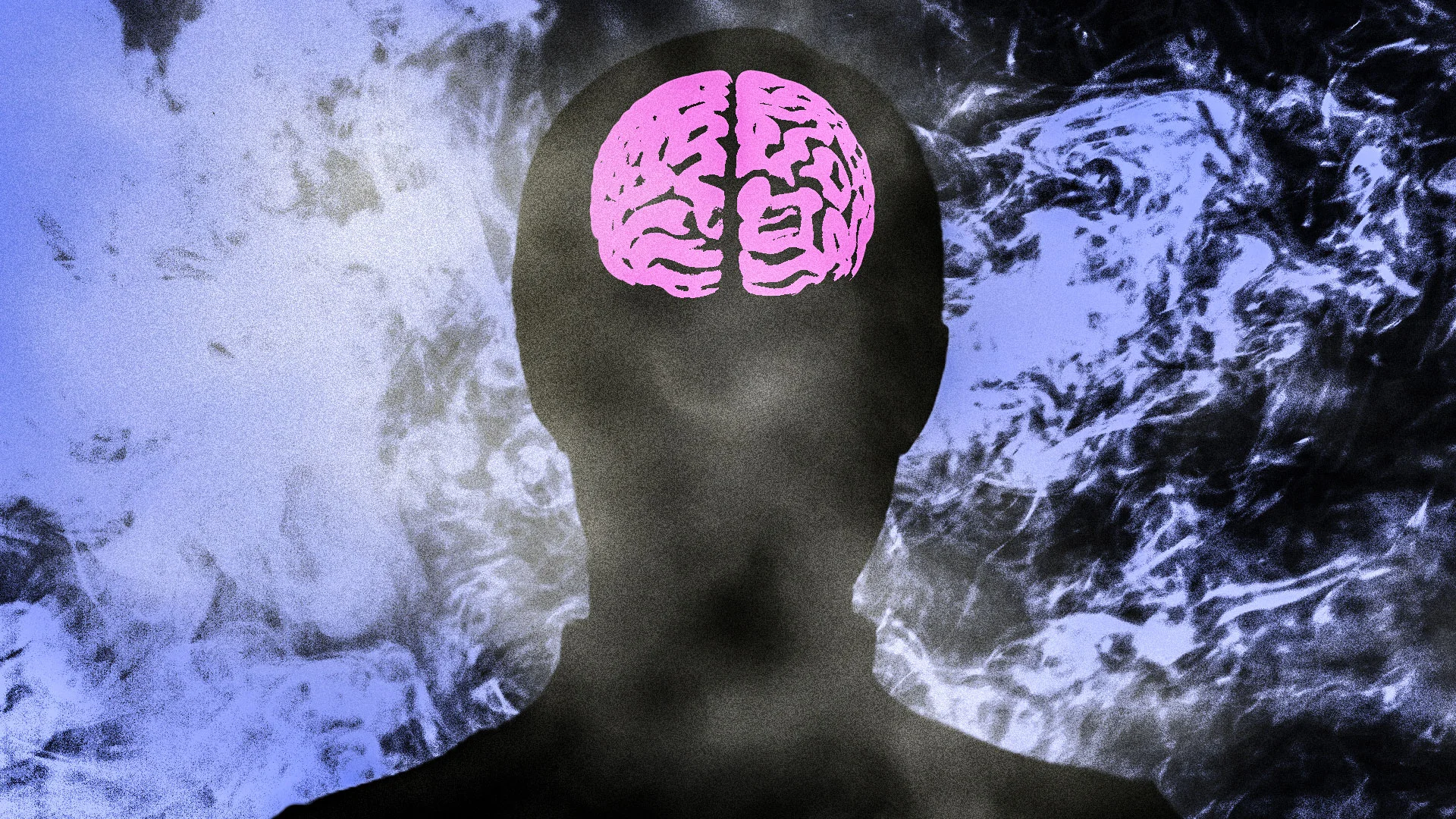
In the 1980s, an egg sizzling in a frying pan warned us what our brains looked like on drugs. Today, researchers are just starting to uncover what our brains look like on plastics and pollution—and spoiler: it’s also not great.
Scientists are continuing to advance research into how our brains are becoming littered with plastic particles. The Washington Post reported last week that several studies published this year are offering new clues about the potential impact that polluted air might have on the brain, but the results aren’t exactly comforting.
One study, published in April in the Journal of Nutrition, Health & Aging, identified evidence that pollutants are linked with an increased dementia risk and reduced brain volume. The researchers further identified a link between air pollution and accelerated biological aging, which is linked to a higher dementia risk. Another study found that inflammation may enhance dementia risk in the presence of elevated exposure to a particular type of pollutant.
Combined, the studies could provide further clues about the link between exposure and dementia, as The Washington Post reported. The additional research could help to solve some of the mysteries outlined last year by a team of researchers from Rush Alzheimer’s Disease Center and other institutions. In a study published in Frontiers in Toxicology, the researchers sought to better understand how these particles had penetrated deep into the brain tissues of 11 adults who died between the ages of 80 and 91.
But pollution likely isn’t the first point of entry for these plastics.
Source link