Definitive evidence of past or present extraterrestrial life, including Martians, has been annoyingly elusive. Some researchers, however, are tackling the alien question from a different perspective: Could life as we know it survive the Red Planet’s environment as it exists today?
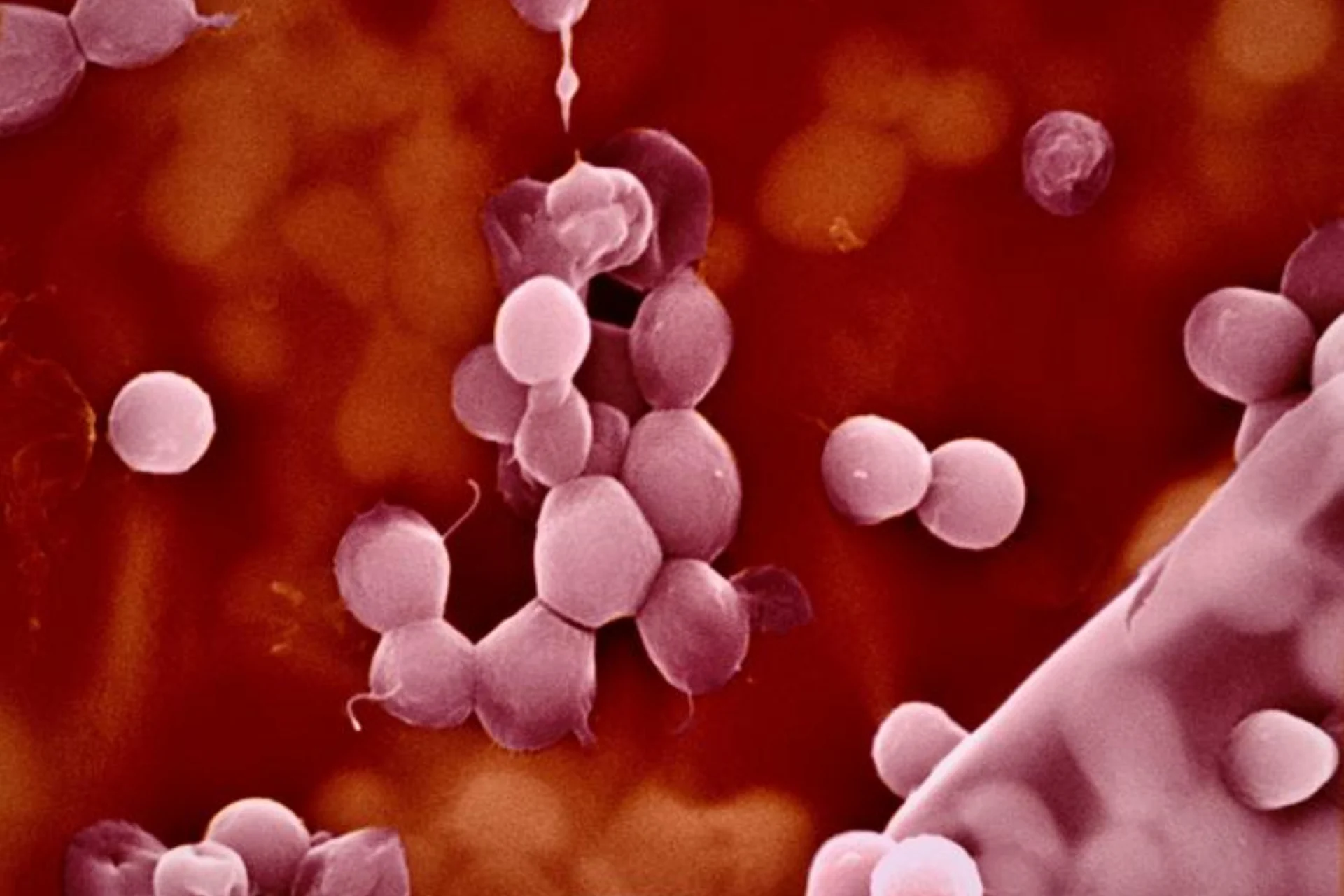
It turns out that some of Earth’s most tenacious microorganisms just might. In the latest of such experiments, researchers subjected the extremophile Haloferax volcanii to hellish, potential Mars-like conditions and found that the tough mother-hecker can still grow. These results bolster the idea that life can exist on our planetary neighbor and point scientists searching for cellular Martians in new directions.
Researchers have grown microbes under harsh Mars-like conditions before, such as high salt concentrations or low pressure. Sometimes, these microbes get subjected to multiple conditions at the same time, though typically for just hours or days. “Far fewer have been able to combine these conditions together and show that microorganisms can actively grow,” Adam Robinson, an astrobiologist at the University of Florida and co-lead author of the Applied and Environmental Microbiology study published Thursday, said in a statement.
Robinson and colleagues investigated whether H. volcanii, a microbe chosen for its affinity to salt, could go one step further than just surviving several stresses linked to Mars’ environment. The harsh conditions include ones present on the planet’s surface, as well as perhaps in its subsurface. On Earth, this extremophile does well in high-salt environments like those thought to exist just beneath Mars’ surface.
Source link