Even Sam “magic intelligence in the sky” Altman, the chief executive of OpenAI and the poster child of the AI boom, has mixed feelings about the speed at which the technology is developing.
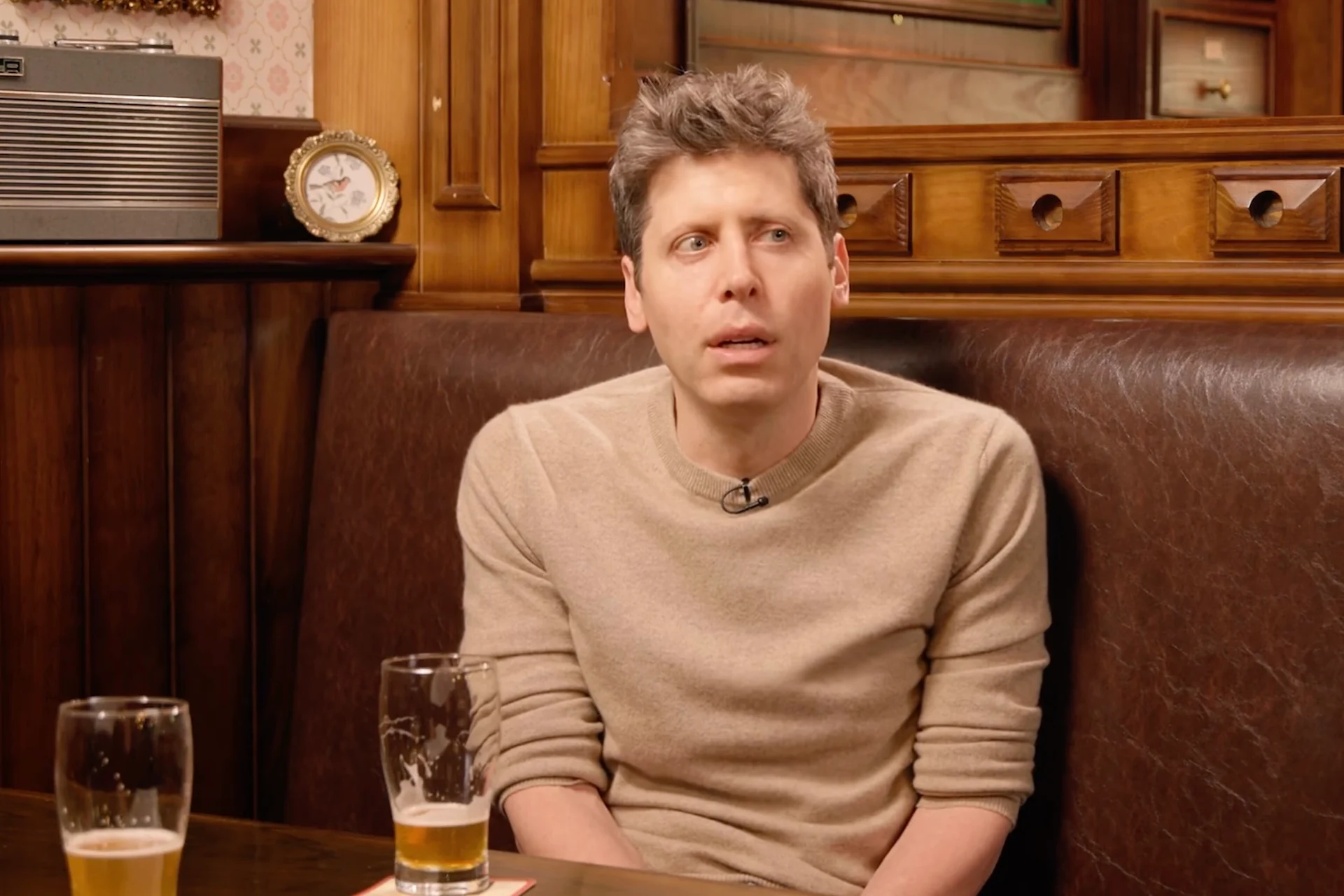
In an appearance earlier this week on Stripe cofounder John Collison’s podcast, called Cheeky Pint, Altman reclined in a pub booth, sipped IPA and Guinness, and eulogized the many experts whose careers are actively being upended by the rise of AI.
That sting has been felt especially keenly in recent weeks by mathematicians, after OpenAI controversially published its AI-assisted solution to the Navier-Stokes problem, which had vexed the field for decades. Some mathematicians called foul, accusing the company of what amounted in their view to plagiarism. Then, earlier this month, OpenAI followed up by publishing results for nearly 400 additional long-standing math problems.
In much the same way that professional chess players look back on Deep Blue’s victory over Kasparov, future generations of mathematicians will probably look back at OpenAI’s string of proofs in late 2026 as the watershed moment when their field was irrevocably altered by AI.
Adding insult to injury, Altman let slip on his Cheeky Pint appearance—“I’m actually probably not supposed to say this, but I will since we’re drinking”—that one of the models OpenAI had been using internally to solve some especially difficult technical problems was known among employees as: “Model Name-Hold My Beer.”
“We had this collective experience of people’s hardest research problems from their academic career; the model was just knocking them down, one after the other,” Altman said.
Source link