Don't feel bad for being unfamiliar with home networking terms. Many concepts aren't relevant for most people until they need to fix problems with their home network. The goal is for your network to blend seamlessly into the background, just as you don't think much about carburetors or batteries when driving your car.
However, understanding your network is helpful not just for troubleshooting, but also for being aware of what you're paying for and deciding what you actually need. It's long been common for internet service providers (ISPs) to charge rental fees for equipment, though this has thankfully been fading in recent years. If your ISP still charges a fee, you can potentially save money by buying your own. Even if a unit is included in your plan, bringing your own can unlock more flexibility and options.
Let's walk through the basic differences between a router, modem and gateway. They're not hard to understand, even though some companies seem to intentionally blur the lines.
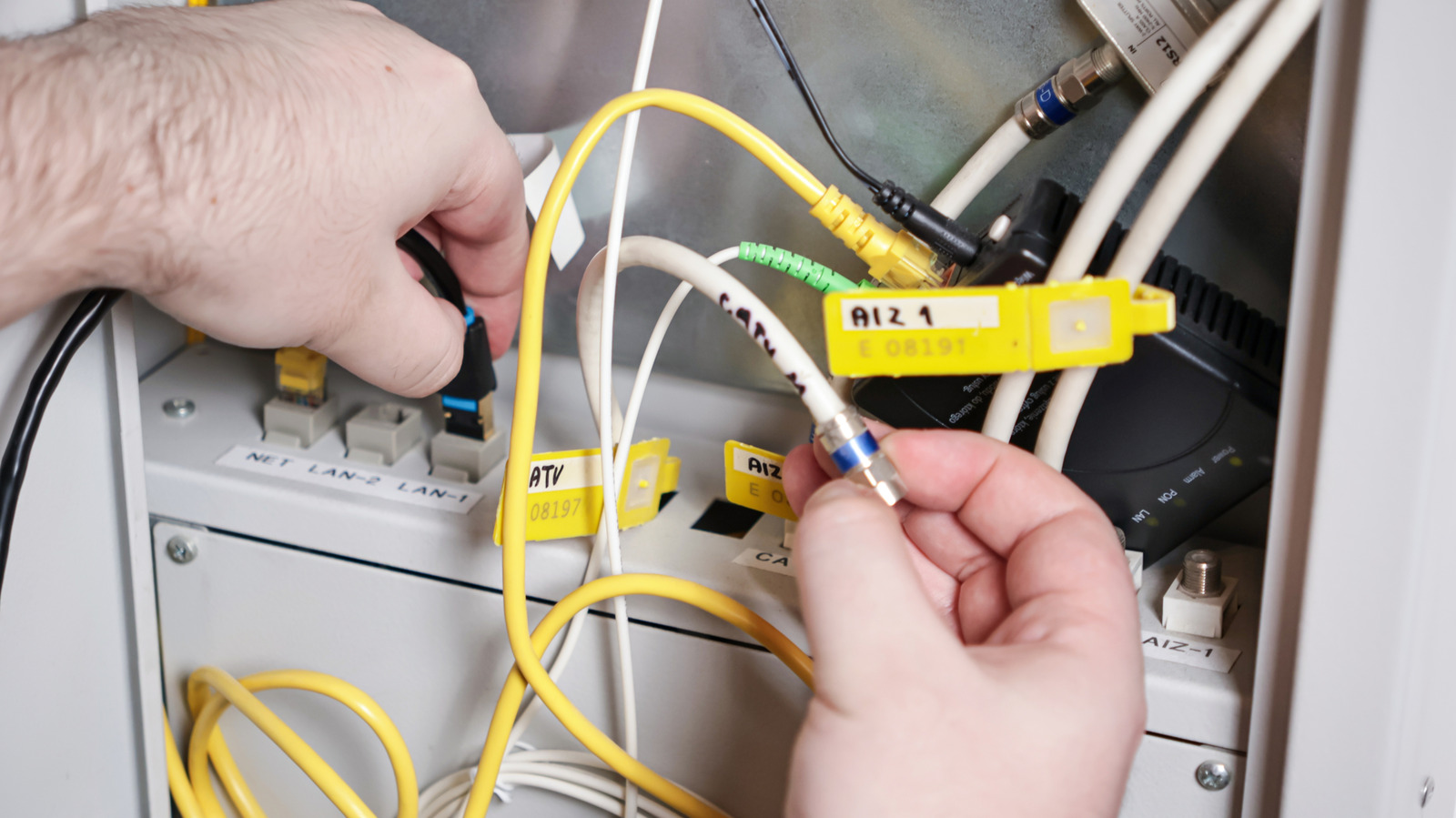
The vast majority of internet connections are dependent on a modem (short for modulator-demodulator). That hardware translates the signals from a cable or phone line into a digital form your devices can understand, as well as vice-versa. For an even simpler definition, a modem is the device that talks to the internet. The only way you can potentially skip having some sort of modem is if you have a pure fiber connection. Those replace the modem with an optical network terminal (ONT), which is functionally the same type of device from a practical standpoint.
Source link