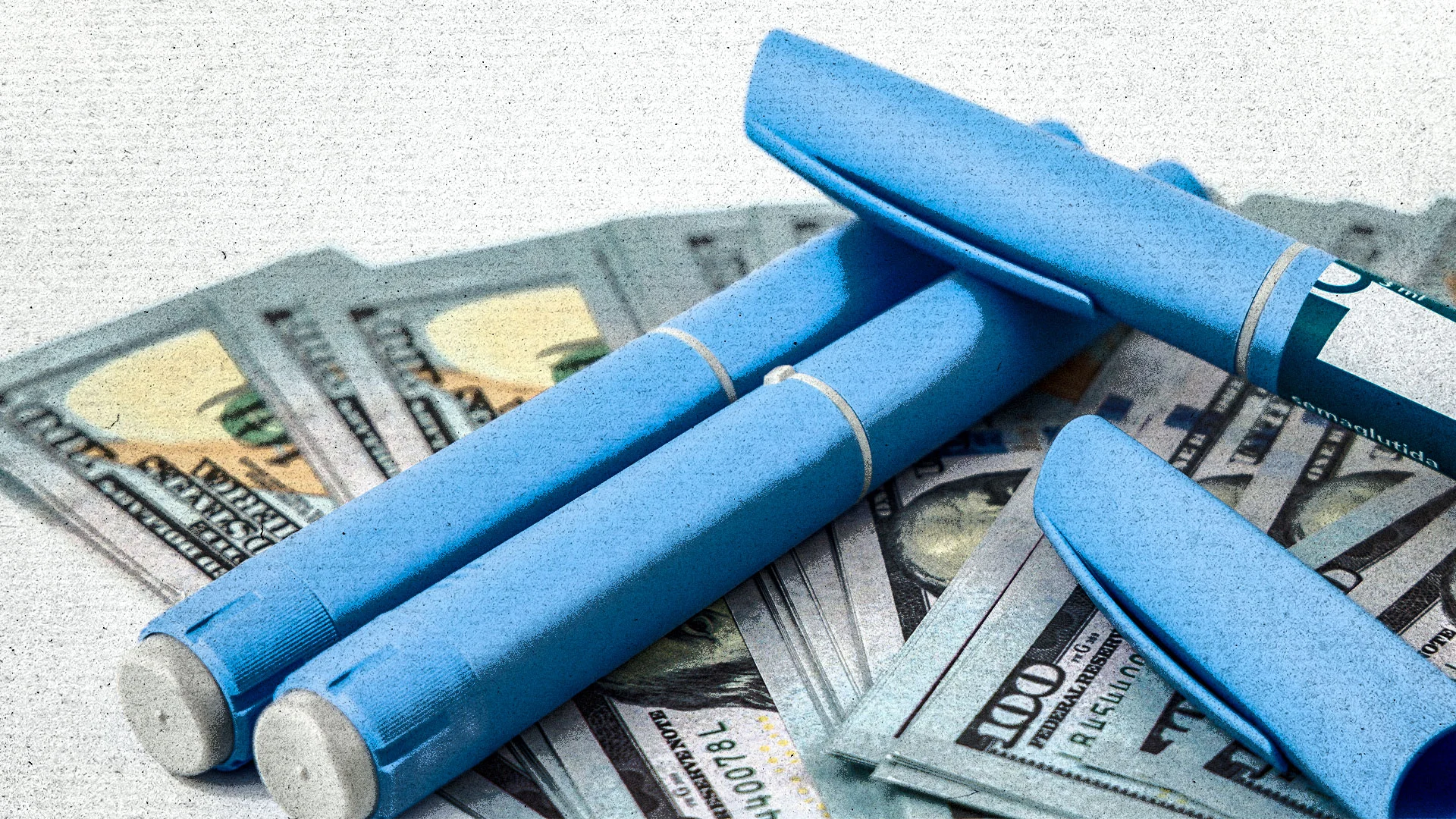
Millions of Americans are spending potentially hundreds of dollars each month on GLP-1 medications, but that comes at a cost: Their weight-loss journey is shaking up how they spend their money.
In the five years since these medications were approved for chronic weight management by the Food and Drug Administration, they’ve grown in popularity, such that an estimated 11% of American adults are now taking some form of a GLP-1 to lose weight. While that’s led to some very visible trends—say, the protein-ification of many everyday foods—others aren’t so obvious.
The broader apparel industry has understandably benefited from the GLP-1 craze as 26% of users say they spend more on clothing overall, according to a survey conducted earlier this year by PwC. After being on the medication for 6 to 8 months, many people seemingly adopt a “treat yo self” mentality, spending on higher-quality and more expensive brands, according to the report. While it makes sense that the weight-loss drug users are spending more on clothing—spending on jeans rose 66%, for example, while spending on swimwear was up 31%—it’s harder to account for why people are spending 36% more on jewelry.
And then there’s the impact on tailors. While the initial drop in weight can be good for business, many people end up regaining weight after they go off the medication—and that’s testing the free lifetime alterations offered by Brooklyn-based Alan David Custom, as Alan Horowitz, owner of the fifth-generation bespoke suit-maker business, told The Financial Times .
Source link