A team of researchers at ETH Zurich has developed a one-step chemical process that transforms common plastic waste, including polyethylene (PE) and polypropylene (PP), into high-performance adhesives, offering a potential alternative to conventional recycling methods that degrade plastic quality.
The technique allows scientists to “upcycle” polyolefins, the world’s most widely used plastics, by attaching new polymer chains with tailored chemical functions instead of breaking the materials down into lower-value products.
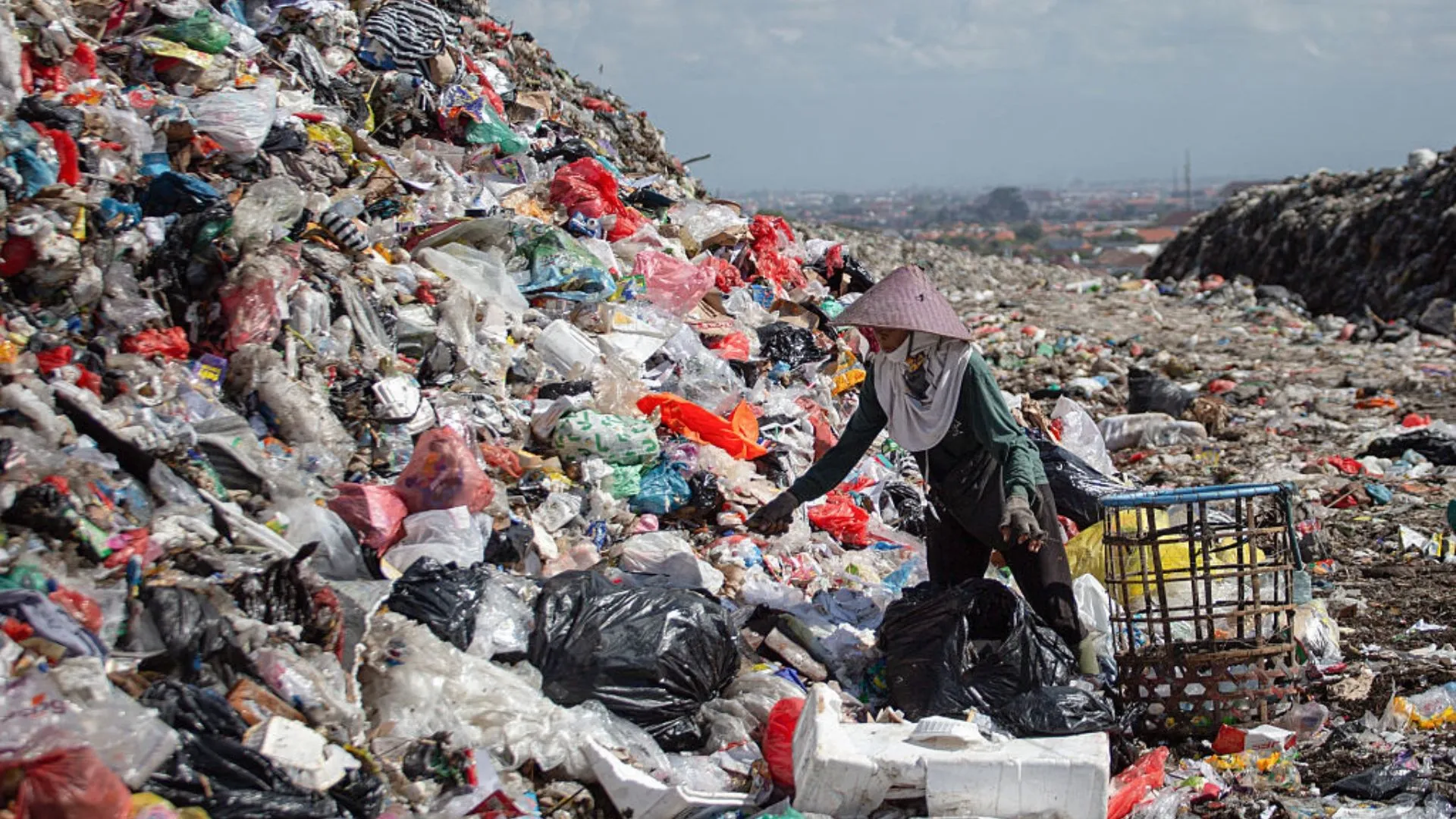
The breakthrough could help address one of the biggest challenges in plastics recycling. Around 450 million metric tons of plastic are produced globally every year, with polyolefins accounting for roughly half of all plastic consumption. Most are used only once before ending up in landfills or incinerators, while mechanically recycled plastics typically suffer significant quality losses.
Unlike conventional recycling, which melts plastics and often produces darker, weaker materials suitable only for products such as paving slabs or plant pots, the new approach retains the polymer backbone while it adds entirely new properties.
“Our adhesive is a first-generation product,” said Tae-Lim Choi, professor of polymer chemistry at ETH Zurich. “In the future, plastics with entirely new properties will be possible.”
The research team, led by Choi, demonstrated the technology by converting discarded plastic bags and bottles into industrial-grade adhesives.
According to the researchers, the resulting material can bond metals, glass, and wood with sufficient strength for load-bearing and heavy-duty applications used in vehicle and equipment manufacturing.
The process also opens the door to a much broader range of products. By grafting different polymer chains onto polyolefins, scientists can introduce chemical functionalities that are missing in conventional plastics, including water-attracting groups, acids, bases, or highly specific reactive chemical groups.
Source link