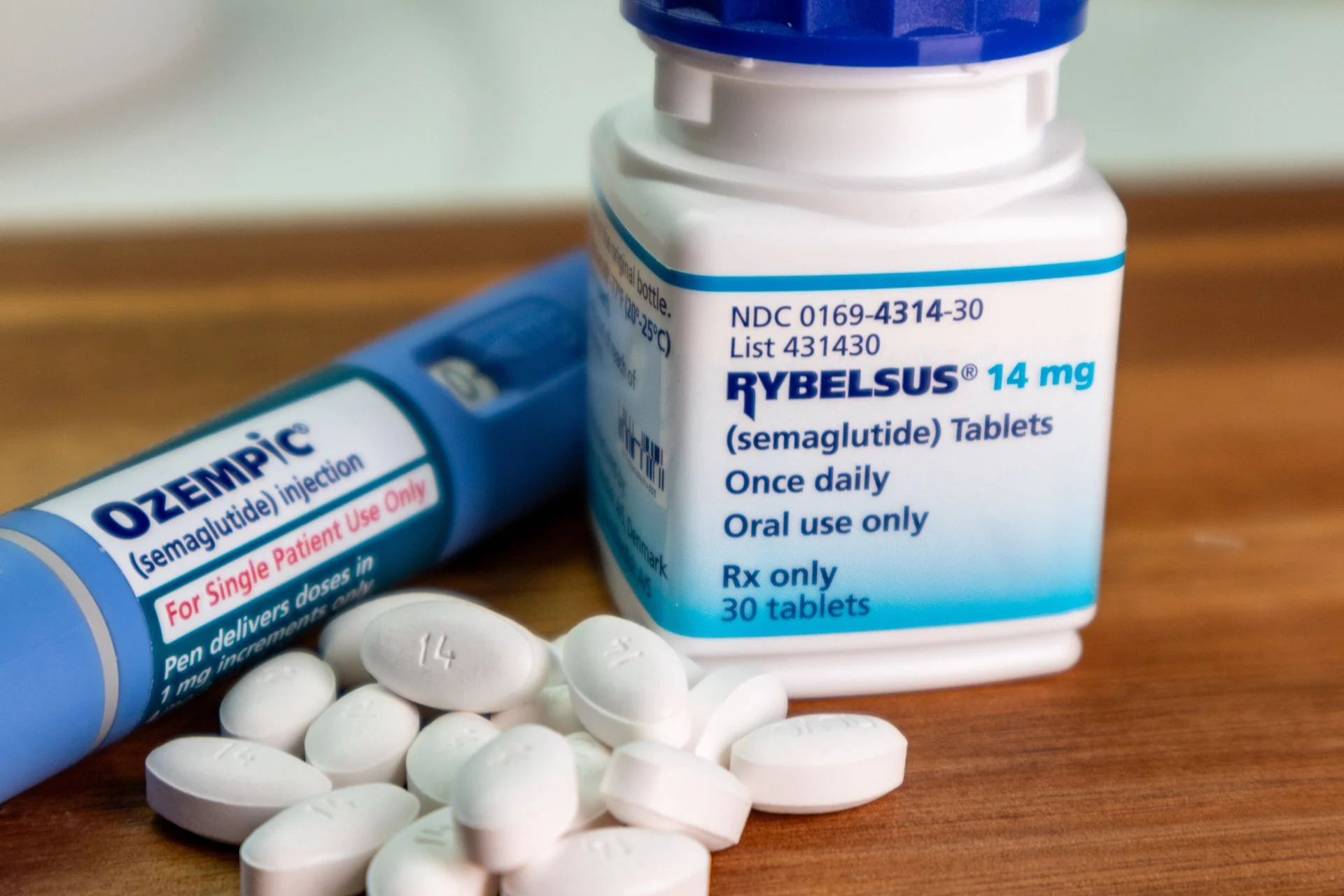
GLP-1 medications like semaglutide (Ozempic and Wegovy) and tirzepatide (Mounjaro and Zepbound) have fast become some of the most recognizable and popular drugs in the world. Recent research now shows that a sizable number of Americans have been taking GLP-1s off-label.
Scientists at New York University and others examined the medical records of Americans across the country. Since 2021, they found that at least 1.1 million Americans were prescribed a GLP-1 without having an FDA-approved indication for its use, such as obesity or type 2 diabetes. Though some people may be taking these drugs off-label for valid reasons, we’re largely in the dark about the overall harms of doing so, the researchers say.
“The risk–benefit profile in these populations remains uncertain,” the authors wrote in their paper, published Tuesday in the journal Obesity.
The researchers analyzed data from COSMOS, a dataset created in collaboration with health care systems that use software from Epic Systems to maintain their electronic medical records; COSMOS covers over 300 million patient records from thousands of hospitals and clinics in the U.S. and other countries.
The team focused on a subset of adults without a clear FDA-approved indication for GLP-1 use, meaning they lacked a current diagnosis for either type 2 diabetes, obesity, or being overweight with a possible weight-related complication like high blood pressure, obstructive sleep apnea, or heart failure. They looked specifically at people prescribed one of the three GLP-1 drugs currently approved for obesity: liraglutide, semaglutide, or tirzepatide. Liraglutide is an older GLP-1 medication, while tirzepatide is the latest and combines GLP-1 with another hunger-related hormone called GIP.
Source link