Among the first crop of Nvidia RTX Spark-based laptops, Microsoft's stands out for its novel display. My review in progress.
Nvidia and its partners have marketed the hell out of its Arm-based RTX Spark N1X chip, and Microsoft has taken the opportunity to highlight updates to Windows that take advantage of it, like its AI developer tools and overhauled Arm support. The company’s showcase device for all that is the new Surface Laptop Ultra, which, like the multitude of competitors launching at the same time, is leaning heavily on AI agents and creative uses to differentiate itself from less powerful or more mainstream laptops.
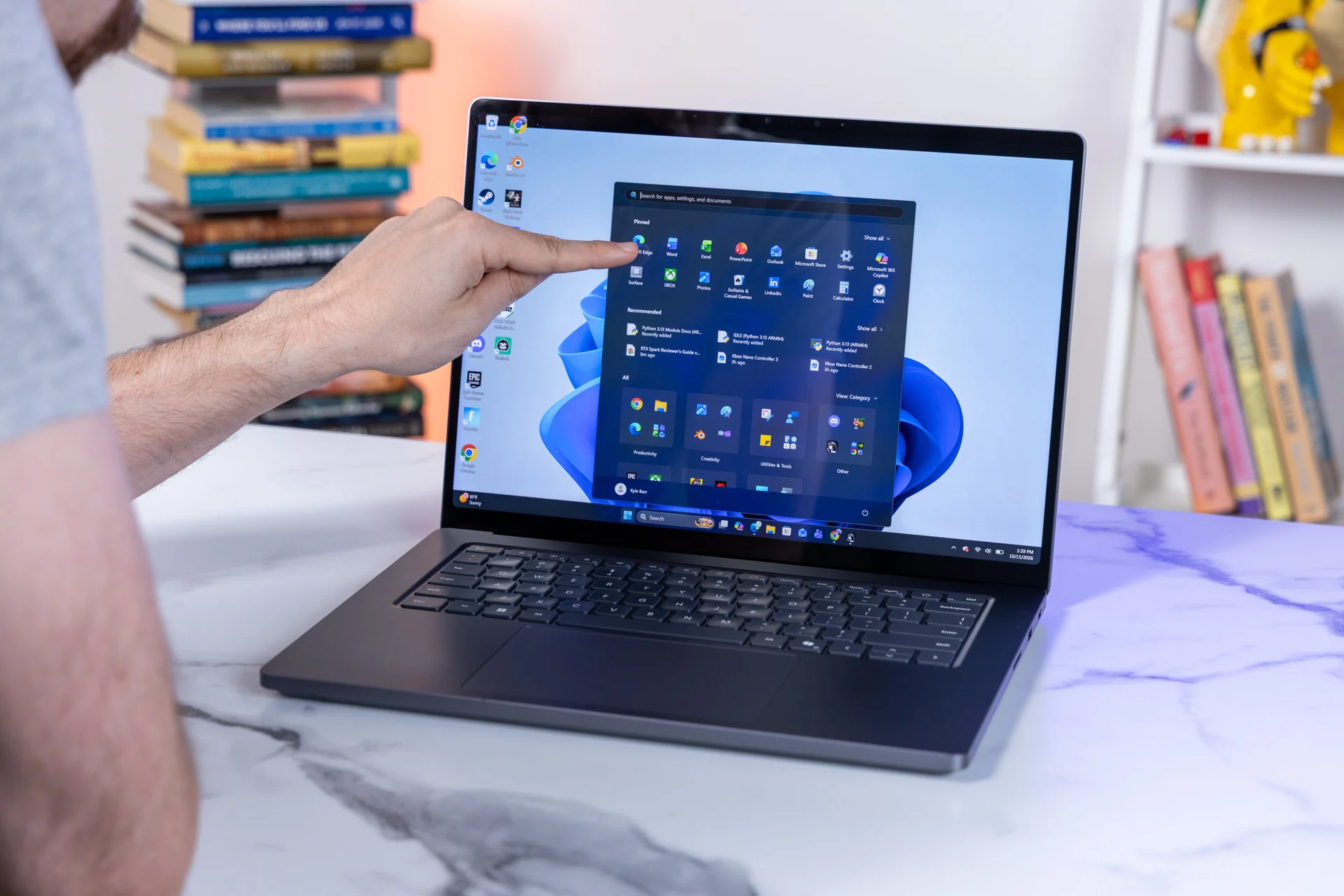
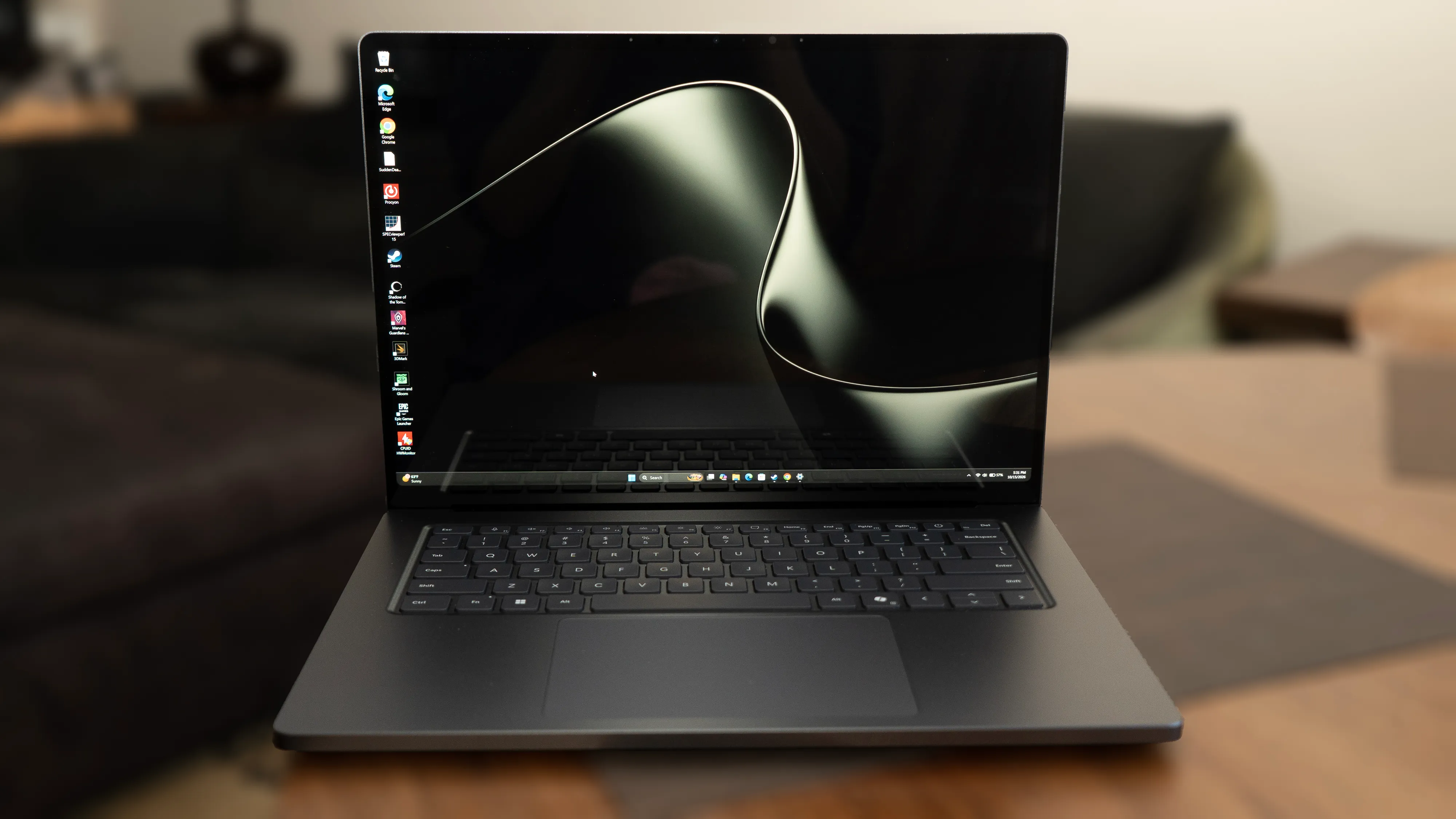
There is a herd of new RTX Spark laptops, but the Surface Ultra partly stands out for its long-overdue display upgrade.
Unlike most of the Sparks, such as the HP Omnibook Ultra 16 and Lenovo Yoga 9n 2-in-1 16 Gen 11, which incorporate OLED screens, Microsoft opted to continue with its PixelSense, albeit a new screen it dubbed PixelSense Ultra — an LG IPS panel now with a mini-LED backlight. Most notably, Microsoft finally has a screen that supports HDR, which boosts its appeal for all users who simply want to stream entertainment or play games.
My analysis is still in progress, pending some further tests I want to run. I’m comfortable with my conclusions, but there’s more nuance I want to explore and consider, especially in conjunction with the testing of the Asus ProArt P16 I’ve got on deck.
Source link