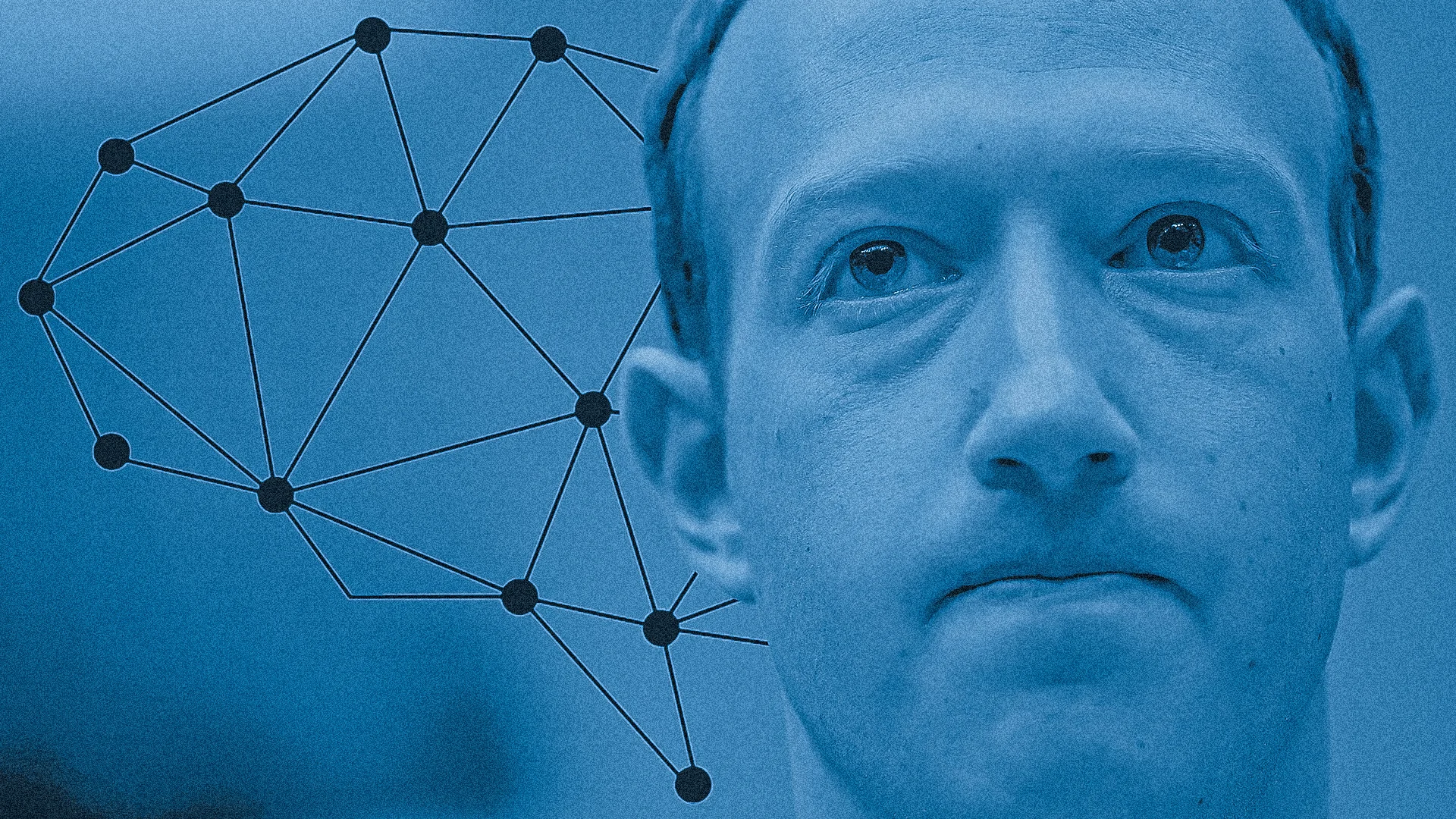
“The harm in this matter is difficult to overstate,” wrote a New Mexico judge who ordered tech giant Meta to pay one of the largest data privacy case penalties in American history. The $25 billion fine came in a case about how Trump campaign firm Cambridge Analytica deceptively used data from Facebook users without their permission to create psychographic profiles to target voters in the lead-up to the 2016 presidential election.
But the New Mexico penalty was for statements Facebook made that deceived users about data privacy and its response to Cambridge Analytica—not for the harm caused by how the harvested data was used. Those harms are alleged to include exploiting psychological vulnerabilities, targeting people’s fears and discouraging them from voting.
I’m a political communication scholar who studies propaganda, surveillance, and information warfare. My research helped expose the Cambridge Analytica scandal through U.K. newspaper The Guardian’s reporting on whistleblower accounts and the evidence I uncovered. That evidence was submitted to parliamentary and congressional investigations. I have followed the unfolding legal cases closely.
My takeaway from a decade of litigation is that Facebook has been penalized for misleading users and regulators about its data practices and its response to the Cambridge Analytica scandal. But I would contend that the company has largely escaped accountability for the underlying political exploitation of that data.
The failure to bring cases around harms may be partly due to earlier failures to fully investigate the data misuse.
The Senate Intelligence Committee’s investigation into Russian interference in the 2016 presidential election encompassed Cambridge Analytica.
Source link