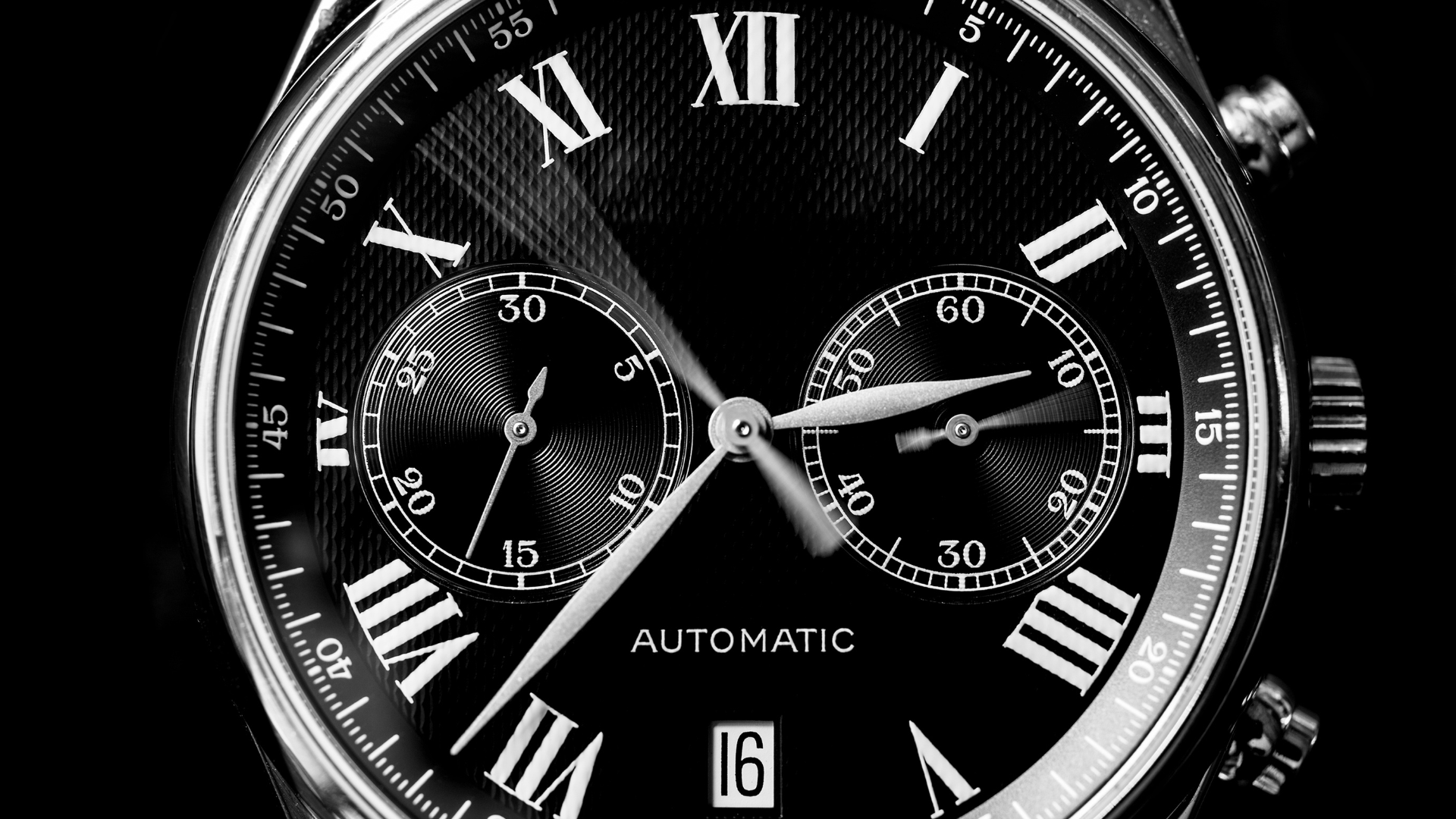
The International Bureau of Weights and Measures (BIPM), which maintains the International System of Units (SI), has voted to expedite the retirement of the leap second, moving forward the date from 2035 to May 20, 2027, an adjustment that could wreak havoc on computer systems, which expect a consistent 60 seconds every minute.
The leap second is occasionally added to Coordinated Universal Time (UTC) to ensure that it remains in-sync with the Earth’s rotation. Our planet’s movement isn’t a constant one revolution every 24 hours owing to forces applied by the atmosphere, the oceans, its core, and even the Moon, and according to BIPM [PDF], these changes mean a 30% probability of needing a “negative leap second” by 2035.
A positive leap second adds an extra second in the year that it’s applied — for example, clocks went to 23:59:60 on Dec. 31, 2016, before switching to 00:00:00 on Jan. 1, 2017. This could spell trouble for machines that haven’t been updated to accommodate this, especially as leap seconds aren’t applied at a constant scale, meaning programmers cannot pre-program events like these, unlike leap years, which usually happen every four years. What’s more concerning is that the opposite of a positive leap second has never been done before. “A negative leap second has not previously been applied, and it is considered to pose a high risk of causing anomalies and disruption to critical infrastructures that are largely unprepared,” the BIPM said.
Source link