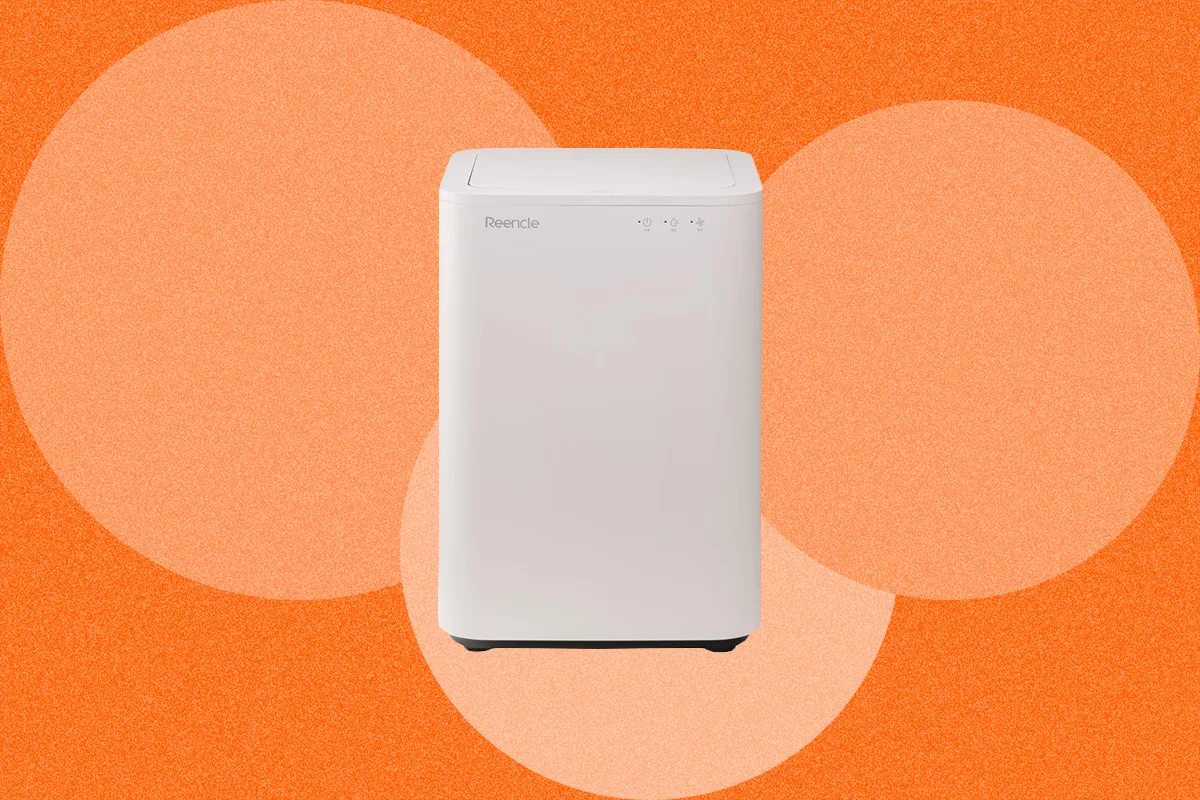
The countertop kitchen composter is a lovely thought. Instead of a smelly bucket of vegetable scraps and coffee grounds breeding fruit flies on your counter or attracting rats to your backyard, you could just put it all into a nifty electric gadget. Then, at some undetermined point in the future, you'll have a bountiful supply of nutrient-rich compost to use in your garden.
Unfortunately, none of the more popular electric kitchen composters do exactly this. Though some of these devices are marketed as “composters” and include instruction booklets and companion apps detailing the many ways to use compost, most will only grind up and dry your food scraps. You will greatly reduce your food waste output, and it will no longer smell, but if you’re hoping to put eggshells and banana peels into a machine and magically scoop out the kind of compost you’d buy at the garden center, that’s just not going to happen.
That said, you can mix small amounts of these grounds into potting soil in tiny ratios or use them as a feeder for a “real” compost pile. But again, most of these machines are meant for reducing the volume of household food waste. This is, itself, a legitimate goal, as cast-off food makes up an estimated 24 percent of municipal solid waste, resulting in the release of methane, a destructive greenhouse gas, as it breaks down in the landfill.
Or maybe you'd just like your food grounds to be odor-free and shelf-stable before adding them to your green waste bin for municipal composting or your backyard compost.
Source link