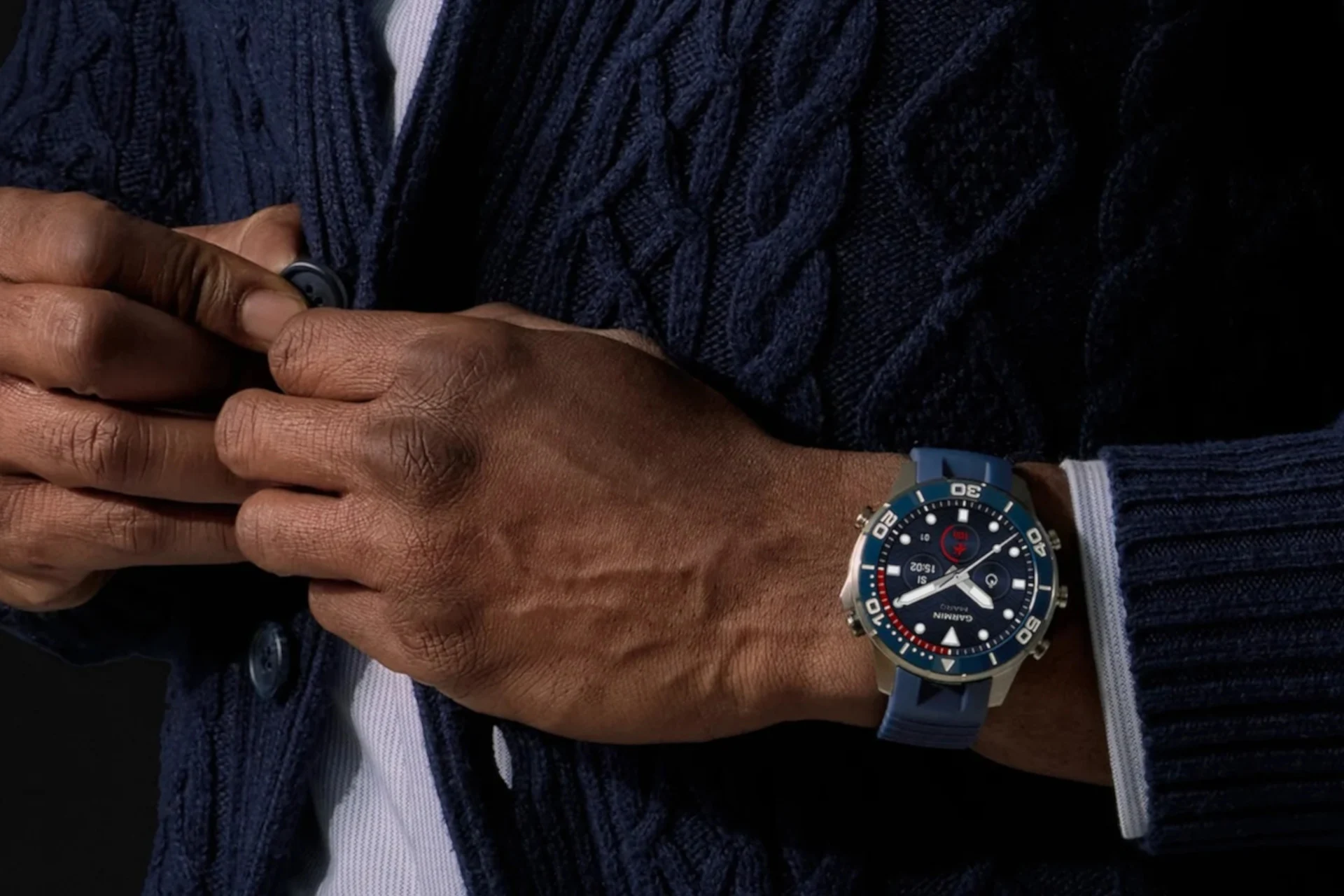
Apple tends to stick to incremental upgrades for most of its products as opposed to overhauling their design or feature set with every new generation. iPhones, iPads and Macs also enjoy several years of software and security updates. This makes it much easier to recommend older Apple devices to those looking for a better deal — something that isn't always true about devices from competitors. Unlike the iPhone, however, the Apple Watch has historically had a shorter software support cycle, with older models typically receiving four to six years of major updates.
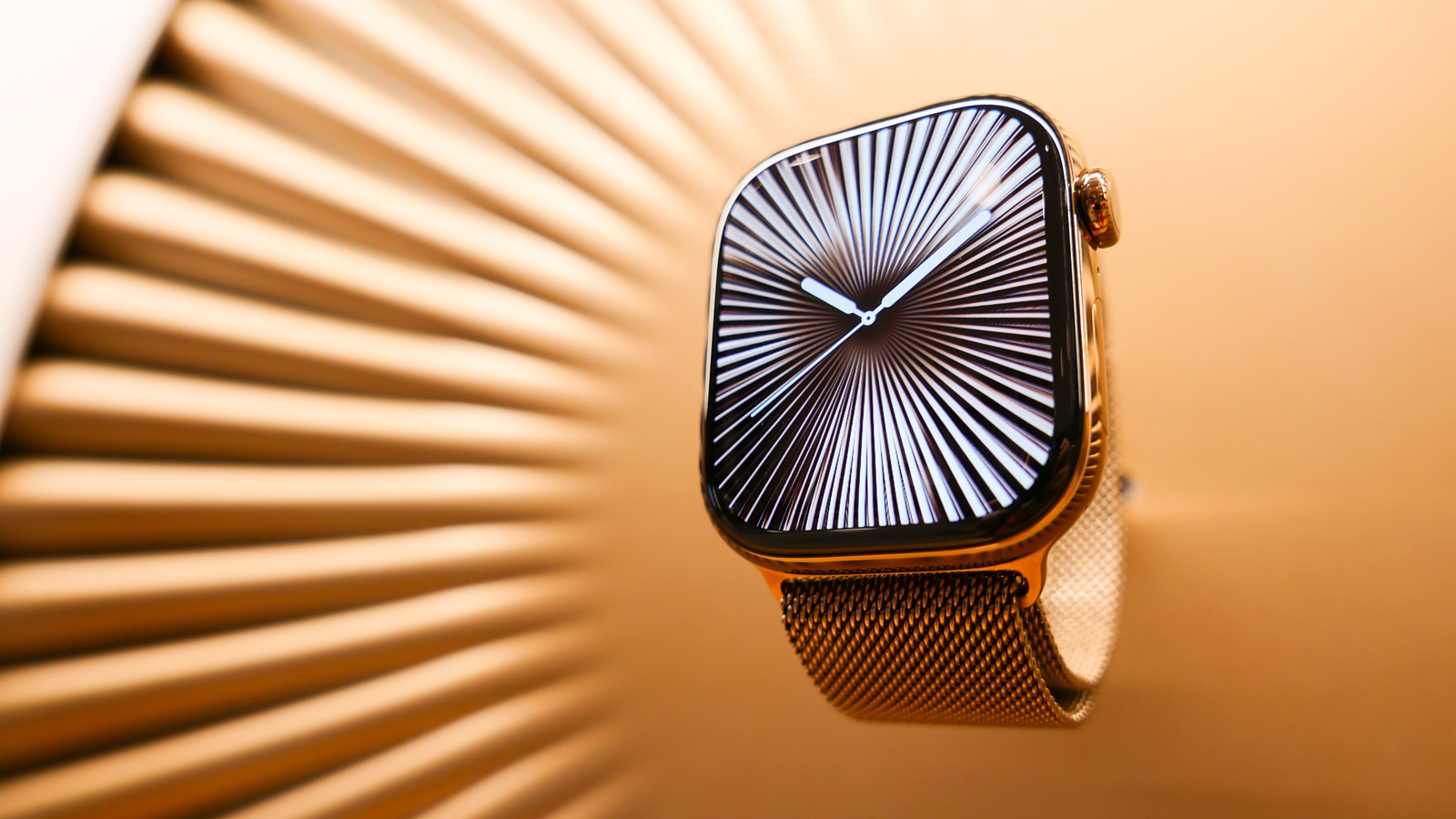
Released in 2024, the Apple Watch Series 10 has already seen three major versions of watchOS and should hopefully be good for around three more years — though we can't say for certain. The first-generation Apple Watch Ultra, for instance, only received four watchOS updates. So if you're not looking to upgrade your wearable for at least a few more years, it could be worth paying a little more for the newer Series 11 model.
The performance improvements that Apple's devices bring every year are also quite impressive, with the S11 chip in the latest Apple Watch Series 12 bringing more accurate step tracking and better heart rate monitoring. According to MacRumors , the S11 chip is based on the A20 Pro and doubles the amount of RAM at 4GB, which should give the Series 12 more headroom for future watchOS updates. As someone who daily drives a Series 10 watch, I feel it still has a few years of life left in it, but whether it's worth buying in 2026 depends entirely on how much of a discount you're able to get on it compared to the newer models.
Source link