For years, Europe has stood apart from Silicon Valley through its willingness to regulate technology. Its sweeping AI Act, which began taking effect in phases in 2025, prohibits certain uses of the technology, imposes safeguards on high-risk systems, and requires the marking of AI-generated content.
But as the AI race accelerates, an unusual reversal appears to be underway. American tech executives are increasingly calling for stronger safeguards, while European officials, anxious about falling behind, are emphasizing innovation and competitiveness. In July, the EU adopted amendments easing some of the law’s requirements and delaying others.
Ireland has a particular stake in Europe’s approach to AI. The country hosts the European operations of major American technology companies and is pushing to accelerate AI adoption, support homegrown startups, and expand the infrastructure needed to power the technology.
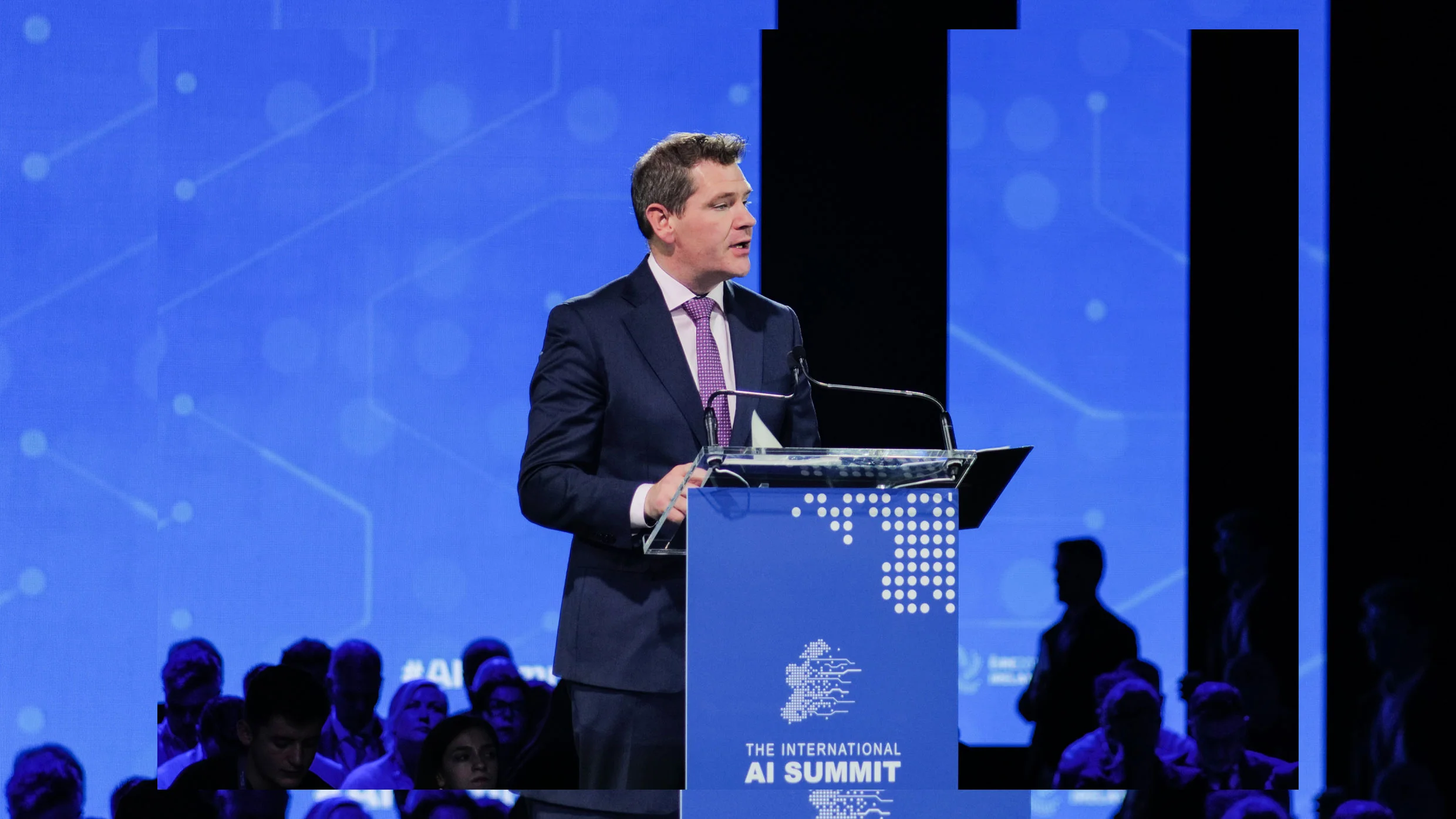
Fast Company sat down with Peter Burke, Ireland’s minister for enterprise, tourism, and employment, to discuss how the country is navigating those challenges. The conversation, which took place shortly after an international AI summit in Dublin, has been edited for length and clarity.
For years, European officials argued that Silicon Valley needed stronger oversight. Now we’re hearing American tech executives calling for new safeguards, while European officials seem to be emphasizing competitiveness. Has Europe become more concerned about falling behind in the AI race than about the risks of the technology itself?
First of all, I think public trust is very important from a perspective of developing AI, particularly having a strong regulatory regime that underpins it.
Source link