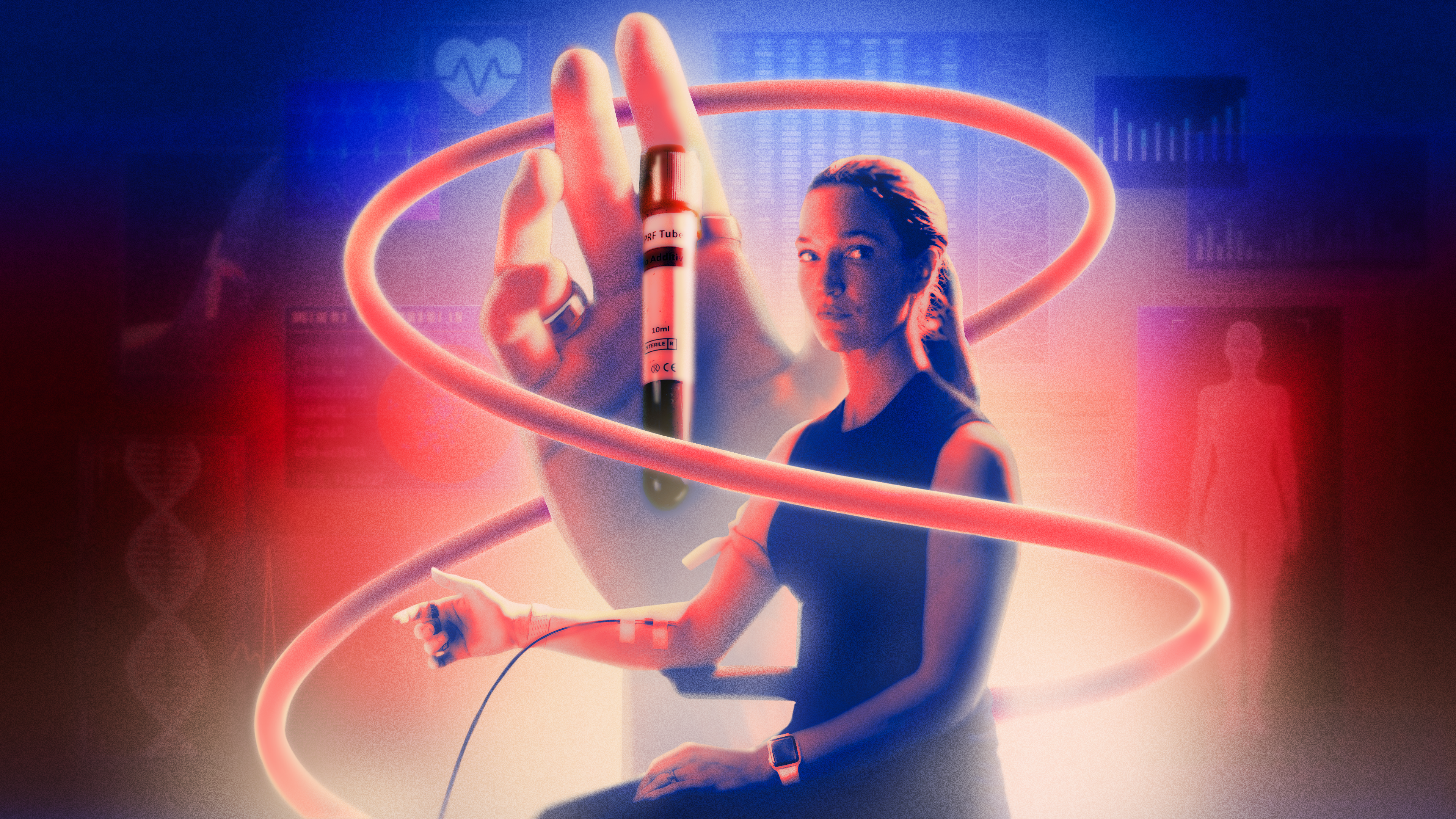
I went on a year-long journey of testing blood panels from Apple, Oura, Whoop and Ultrahuman, expecting boring results. Instead, they caught something serious that my smartwatch had missed.
For years, my wearables told me I was the picture of health.
I got my steps in, exercised regularly, and got glowing sleep and cardio fitness reviews. They even had me believing I could turn back time, telling me my “health age” was at least eight years younger than my actual age. So I got cocky.
I wore those numbers like a badge of honor, and leaned on them to justify skipping my annual checkup in favor of the 55 other pediatrician and dentist appointments I have to squeeze in as a working mother of three.
It took one blood test to bring me back down to earth and rattle my perception of health tracking. Because, despite doing everything “right,” my bloodwork revealed I had high cholesterol. Not borderline, not slightly elevated, but midway up the orange warning zone high.
Wearable companies like Whoop, Oura, Ultrahuman and, most recently, Apple now offer blood panels through their apps, adding another layer of information to the heart rate, sleep, activity and other health metrics they’ve collected data on for years.
The goal is a more complete picture of your health, on the platform where you already track everything else. The irony is that if it hadn’t been for my wearables , the very things that had lulled me into this false sense of security in the first place, my high cholesterol might have gone undetected for years.
Source link