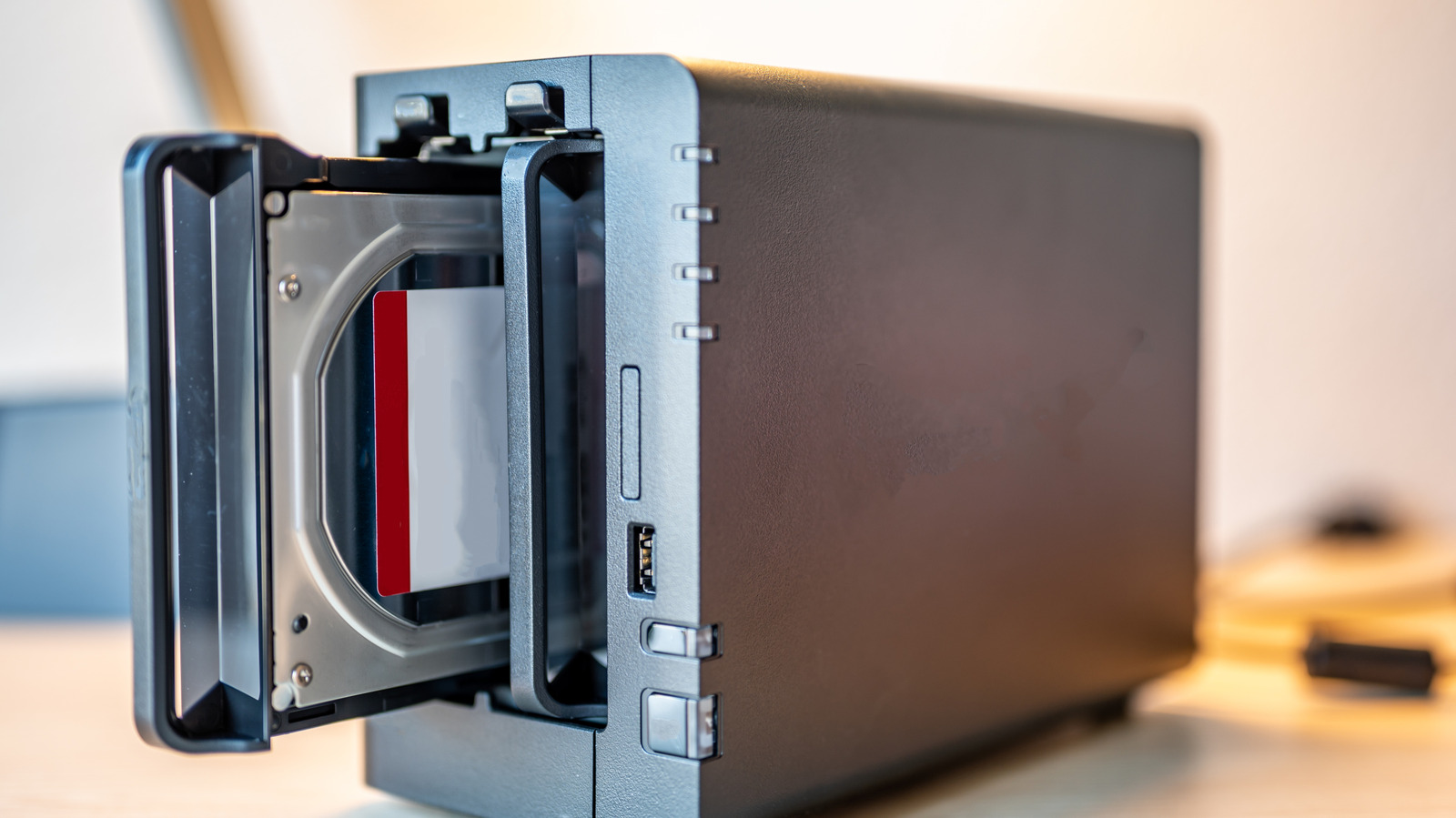
Cloud storage is everywhere. Despite the ongoing memory crisis, SSDs have gotten cheap enough that most new PCs don't even bother with a spinning drive anymore. And yet, if you build your own computers, there's a good chance you've got a drawer of old 500GB and 1TB hard drives that are too small to be useful on their own but still coule have some life left in them. RAID is what you do with that drawer. Rather than throwing these hard drives away, RAID can give them a new purpose. Plus, it gives you faster and more reliable storage.
RAID stands for Redundant Array of Independent Disks. The idea here is to combine multiple disks so they function as a single unit. Instead of storing your files on a single drive, RAID distributes them across two or more disks, which results in much faster transfer speeds. They won't match the speeds of an SSD, but they're much faster than a conventional HDD. A RAID array also provides redundancy for your data. That's because it's less prone to failure — if one drive fails, you can still recover your files from the other one. That's the main reason why RAID is still used today. It's less about the faster speeds and more about convenience and reliability.
A RAID system doesn't replace a full backup, but it does ensure that you won't lose your data if one of your hard drives fails completely. The idea sounds great, but there are many details you need to know before setting up your own RAID array.
Source link