India’s startup ecosystem is witnessing a growing wave of innovation in climate action and sustainability. From students developing affordable technology solutions for micro, small and medium enterprises (MSMEs) to early-stage entrepreneurs tackling circular economy challenges, the ideas are promising. But turning a climate-focused idea into a scalable business requires more than passion. Founders need access to capital, industry networks and structured mentorship to translate their vision into viable enterprises.
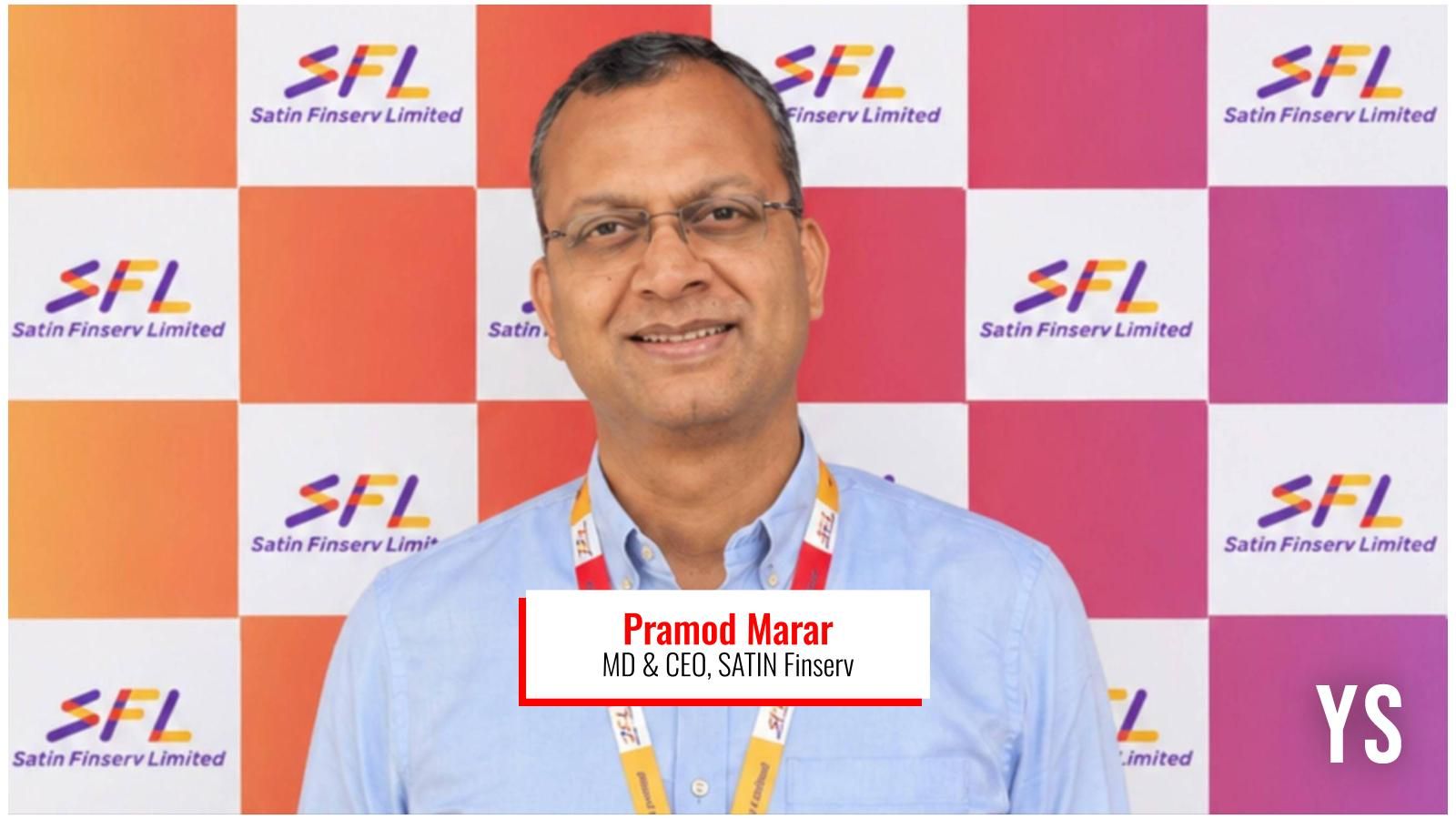
Recognising these gaps, Satin Group, based in Gurugram, Haryana, launched Sankalp this September. It is a platform designed to nurture sustainability-focused ideas from students and early-stage entrepreneurs. In an exclusive interaction with YourStory, Pramod Marar, CEO of Satin FinServ Limited, discussed the thinking behind the initiative, the importance of non-financial support alongside funding, and the role financial institutions can play in scaling climate innovation.
Sankalp operates through two distinct tracks: student-led business ideas and early-stage startups. The student track encourages college students to develop technology-driven solutions to climate and environmental challenges. The startup track focuses on young businesses working in areas such as clean mobility, circular economy, waste management, and sustainable supply chains. Sankalp winners stand a chance to win Rs 32 lakh, with Rs 10 lakh for students and Rs 22 lakh for startups.
Applications for the first cohort closed on October 4. Sankalp says the response has been encouraging, with more than 17,000 registrations and over 1,000 teams taking part. Student innovators, it adds, showed a notable interest in technology-led solutions for climate challenges.
“We were pleasantly surprised to see a strong focus among students on creating technology-led solutions in the climate space,” Marar said.
Source link