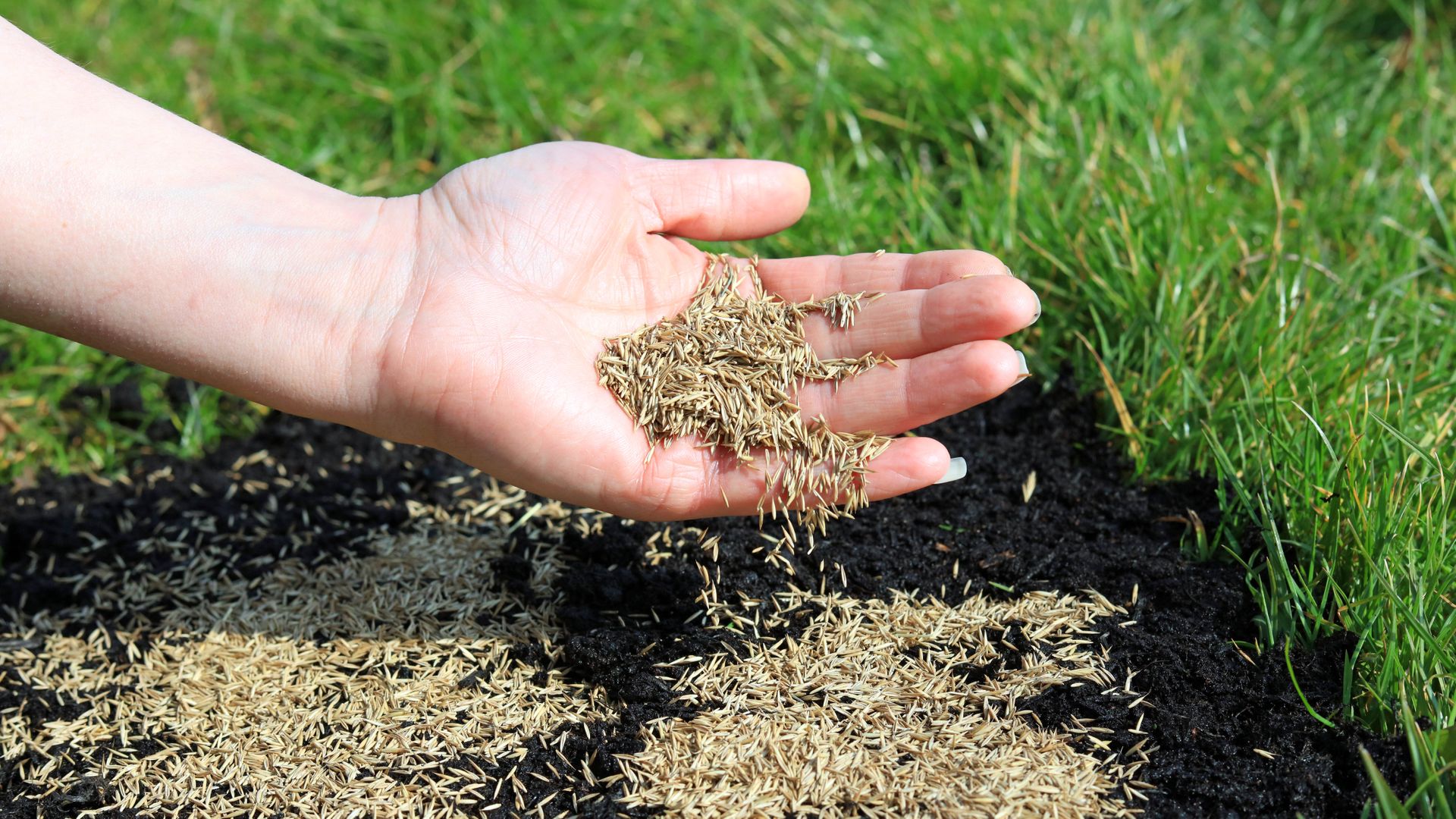
Planted grass seed and waiting for those first green shoots to show up can feel like watching paint dry. While most lawn seed takes between 7 and 14 days to germinate, full establishment takes several weeks, and certain stubborn varieties can sit in the soil for up to a month before popping up.
If you want to shorten that waiting window and avoid ending up with patchy, uneven soil, the key is managing soil prep, moisture, and ground warmth right from day one.
Your waiting time depends almost entirely on whether you are planting a fast-sprouting cool-season blend or a slower warm-season grass.
The fast sprouters (5 to 10 days): Perennial Ryegrass is the sprinter of lawn care. If you need rapid coverage for bare patches or high-traffic areas, this is your best option.
The steady performers (7 to 14 days): Tall Fescue and Bermudagrass generally show green shoots within a week to ten days under warm, moist conditions.
The medium growers (14 to 21 days): Zoysia and Centipede grasses take two to three weeks to get going.
The slow-and-steady varieties (14 to 30 days): Kentucky Bluegrass and Buffalograss require some patience. They spend weeks building underground root systems before sending up visible blades.
As we move through fall soil temperatures are dropping, making this the best season to sow cool-season grasses. Varieties like Perennial Ryegrass, Tall Fescue, and Kentucky Bluegrass thrive in cooler weather. They germinate best in soil temperatures between 50°F and 65°F (10°C to 18°C).
Sowing them in autumn gives their roots two full seasons of cool, moist weather to establish deep anchor systems before the heat of next summer hits.
Source link