As the iPhone grew into an unprecedented success, Apple was marching its users toward millions of downloads to the drumbeat of “There’s an app for that.” Meanwhile, Amazon and Google were flooding homes with waves of TV platforms, smart speakers, and cameras. These products and their underlying connectivity standards formed a deep foundation to support a new generation of AI-driven services far surpassing those of Google Assistant and the original Alexa.
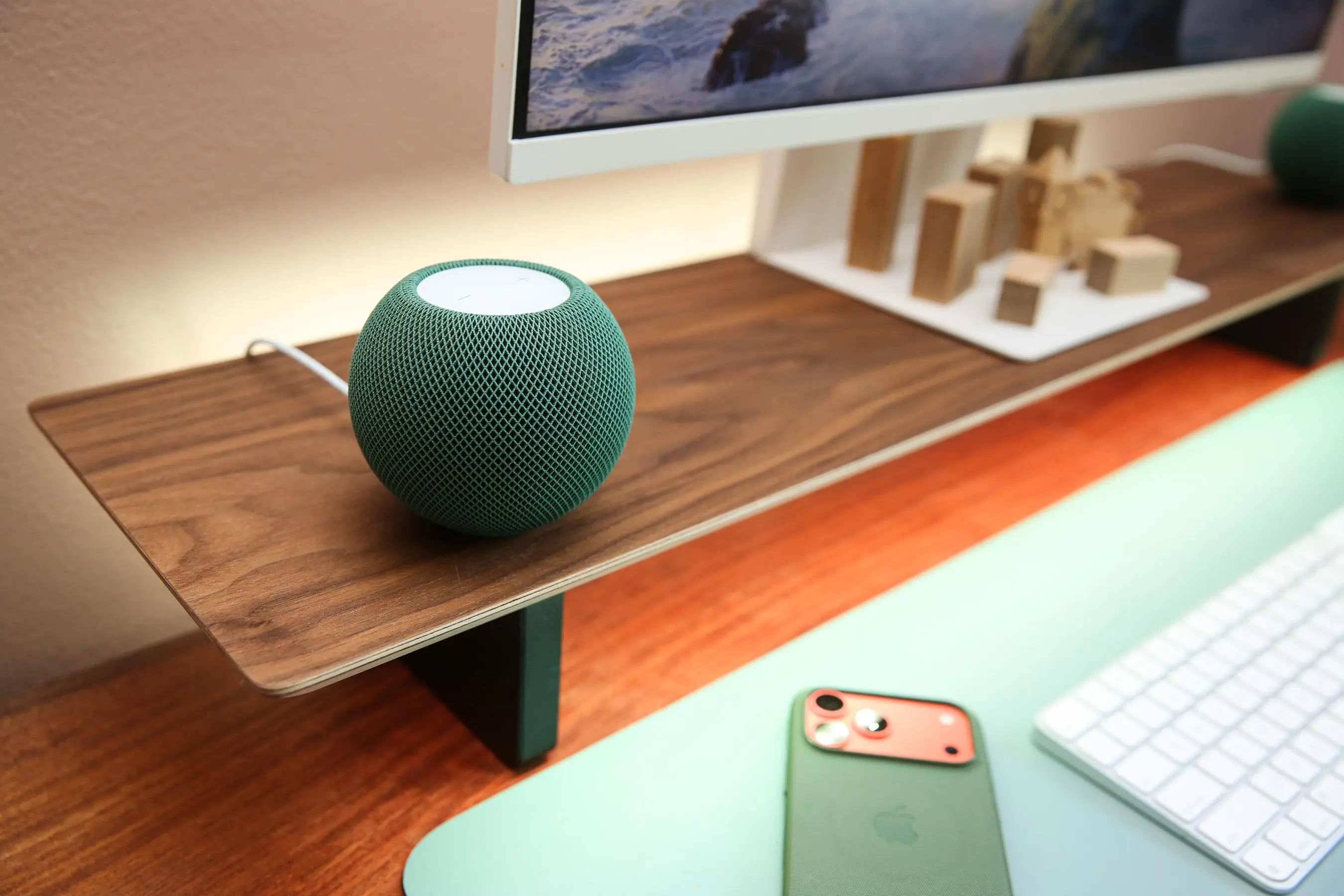
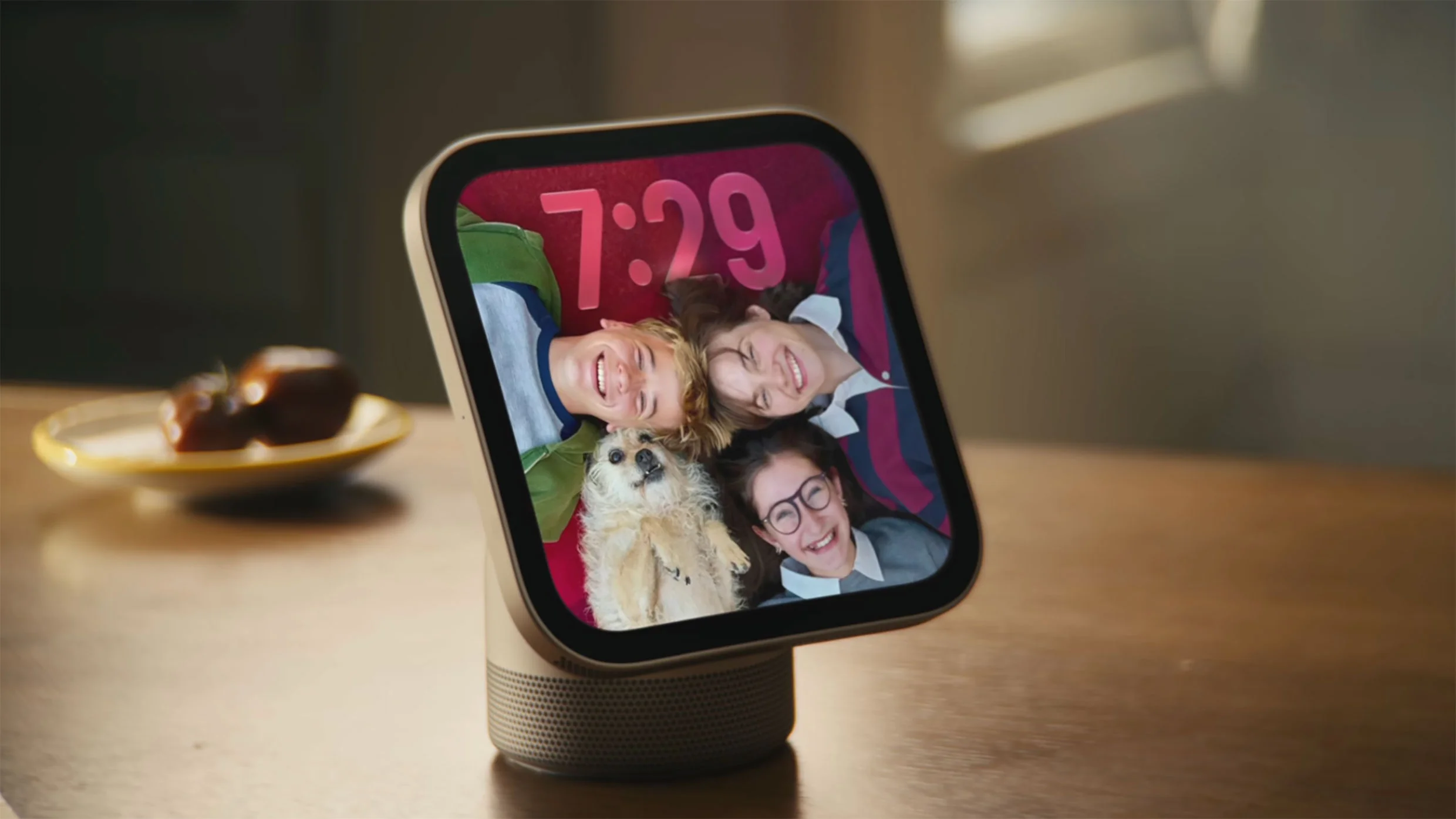
At its home product launch on October 13, Apple updated its Apple TV and HomePod mini speakers. But all eyes were on HomeView. The touchscreen family hub is spinning and tilting the company toward a new direction led by a reinvented Siri and away from a dedicated app-first ecosystem.
If the iPad was originally dismissed as a large iPod Touch, the HomeView—with its 1:1 aspect ratio and widget-driven display—may at first evoke a large Apple Watch. But not for long. The device can be mounted on a wall or tilted on a domed aluminum speaker base that has the metallic texture of a Mac mini as opposed to the cozier cloth stylings of a HomePod mini. And if the frenetic 3-minute family morning tableau Apple produced to showcase the device proves accurate, we can expect it to serve up a whirlwind of multimodal interactions as opposed to the tap-and-takeaway interactions of Apple’s wrist computer.
On the other hand, HomeView’s platform philosophy borrows from another Apple experience: CarPlay, which presents apps installed on the connected iPhone on automakers’ dashboard displays.
Source link