
Aftermarket backup cameras might not work as well as integrated ones, but they're still a useful upgrade to an older car.
Most cars today come with backup cameras pre-installed, which makes parallel parking much less of a chore, and allows drivers to reverse more safely in crowded environments. But what if you have an older car and still want a better view for maneuvering your vehicle?
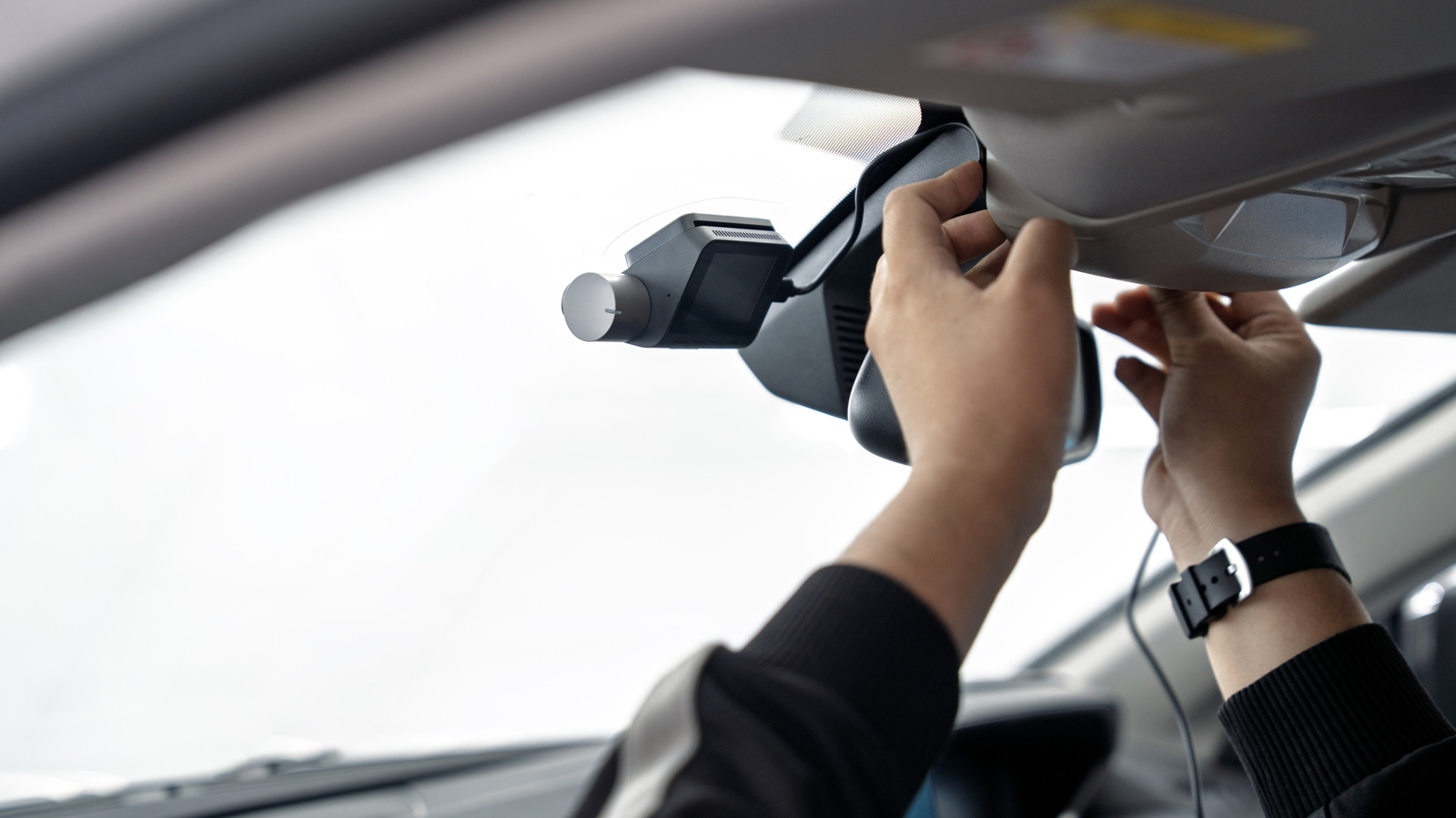
There are several ways to outfit an older vehicle with a backup camera, including wiring one into the car, which requires a complex installation process, more hours of labor and can cost upwards of $600. For a less invasive, easier fix, you can use a wireless, vehicle-mounted backup camera system. These devices can often be installed yourself, and like the wired cameras they transmit real-time video from the rear of your vehicle to a monitor on the dashboard. But how do these add-on cameras actually work? Here's what you need to know about the technology, its quirks, and how you can put one in your car.
Wireless backup cameras can be purchased online for prices ranging from $40 to more than $400, and don't require a professional for installation. They typically turn on automatically when your car is switched to reverse, but some that are used more for accident monitoring automatically record video footage when any movement appears behind your vehicle. Backup cameras use different technology to stream video to your dashboard depending on the age and model. Most of them use Wi-Fi or dedicated digital radio frequencies, though some older systems use Bluetooth.
Source link





