A washing machine arriving at a recycling plant may look like a single product.
For a recycler, however, its value depends on what is inside, which components are missing, how much material can be recovered, and what it will cost to process.
Multiply those decisions across thousands of appliances, suppliers and locations, and recycling becomes a complex exercise in pricing, logistics and compliance.
At Attero, an Indian e-waste and battery recycling company, artificial intelligence is helping bring these decisions into a common system.
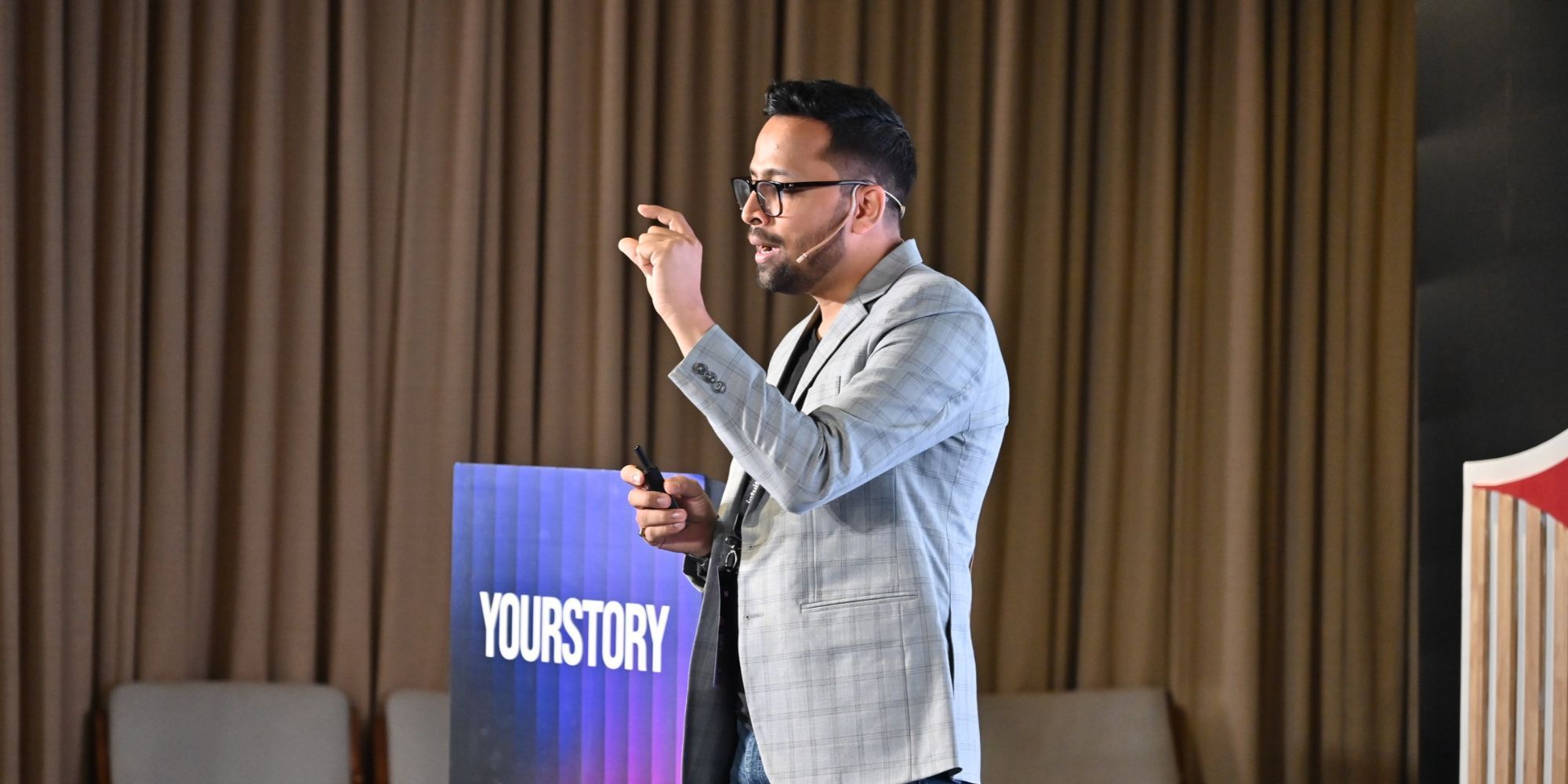
Speaking at TechSparks 2026, Ayush Agarwal, Head of Product and Technology at Attero, outlined how the company is using AI to value recyclable materials and ensure transactions comply with regulatory requirements.
Attero processes around 200,000 metric tonnes of e-waste and 10,000 metric tonnes of lithium-ion batteries annually, Agarwal said. The company procures material worth more than Rs 1,000 crore a year, making accurate pricing important to its economics.
Unlike copper or gold, scrap does not have a single standard price on global commodity exchanges. Its value depends on recoverable materials, processing and transportation costs, as well as regional demand and supply.
Attero has built Matrix, an AI-powered pricing engine combining material intelligence with market intelligence. It estimates the components and recoverable metals in different appliances, and then uses machine learning models and commodity prices to calculate what the material should cost in a particular market.
A washing machine, for instance, could command different prices in Delhi and Mumbai because of logistics costs and local market conditions. The system draws on three years of recycling data, two years of exchange data, and information covering thousands of appliances.
Source link