Fast highway driving, carrying excess weight, heat and air-conditioning will cut your EV's range.
Maximum electric-vehicle ranges are on the rise. And while some models still struggle to reach the 250-mile mark, advancements in battery and charging technologies have made EVs are more capable of handling long commutes and road trips.
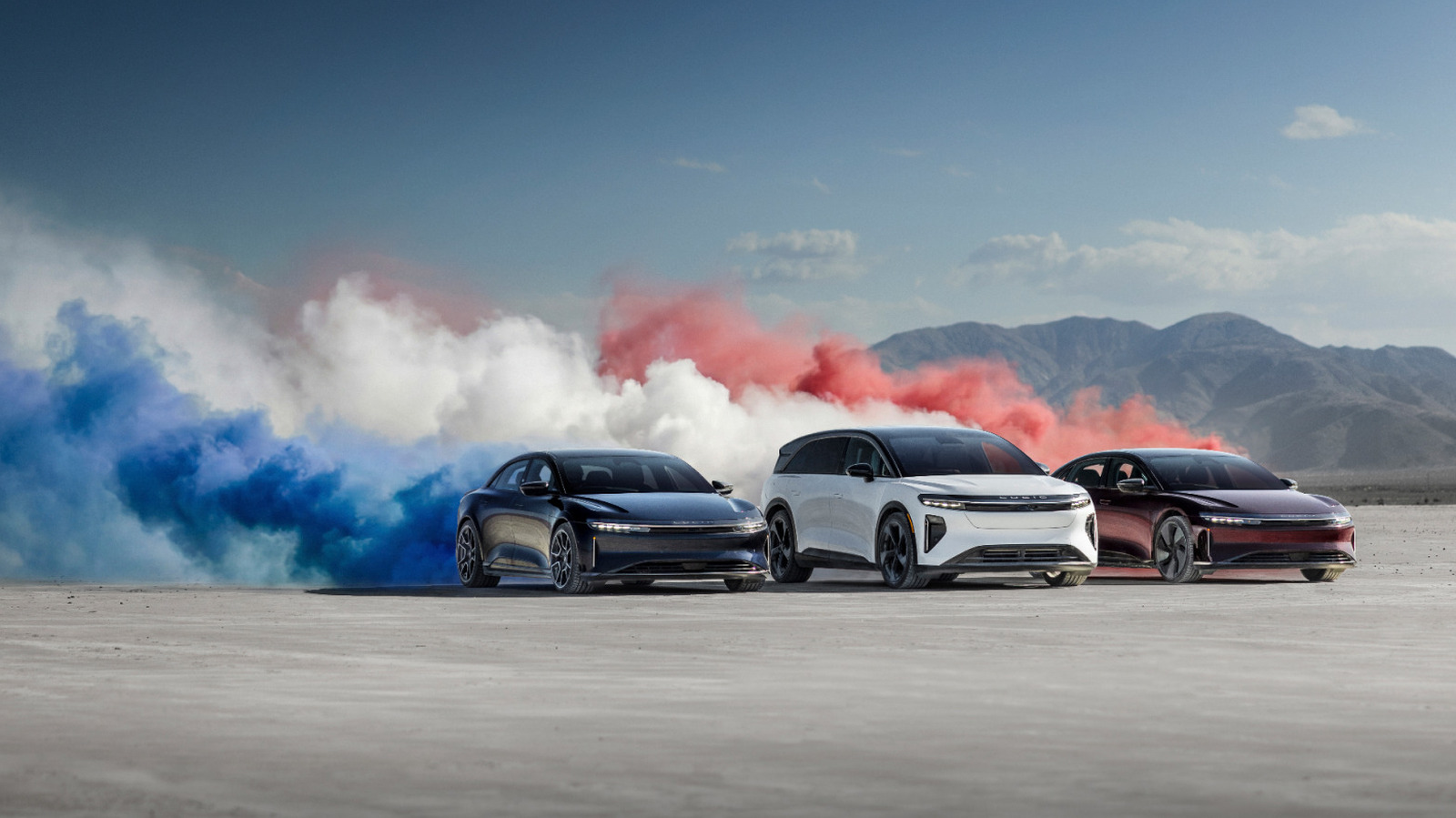
According to electric vehicle watchdog Recurrent, the average real-world range of 2026 EV models rose to 325 miles, an impressive number somewhat tempered by the market's shift toward the less efficient trucks and SUVs. Some models, like the Lucid Air, Chevrolet Silverado EV and BMW i3 can travel well over 400 miles between charges. Likewise, charging times are shortening, with many drivers able to add 100 miles of range in less than 10 minutes due to the spread of 800-volt architectures, better thermal management systems, and flat charging curves.
When it comes to electric vehicles, however, not every drive is created equal. Instead, factors like speed, weather, car weight and air-conditioning can have an outsized effect on your car's energy usage. So underwhelming performance may not mean that it's time to replace your EV battery. Instead, understanding these factors and how to navigate them is key to realizing your EV's peak performance. And just a few simple fixes can easily extend your car's battery.
Unlike your typical gas guzzler, whose internal battery is charged while in motion, driving your EV inherently drains your battery. Of course, certain driving behaviors are likely to drain your EV battery faster than others.
Source link