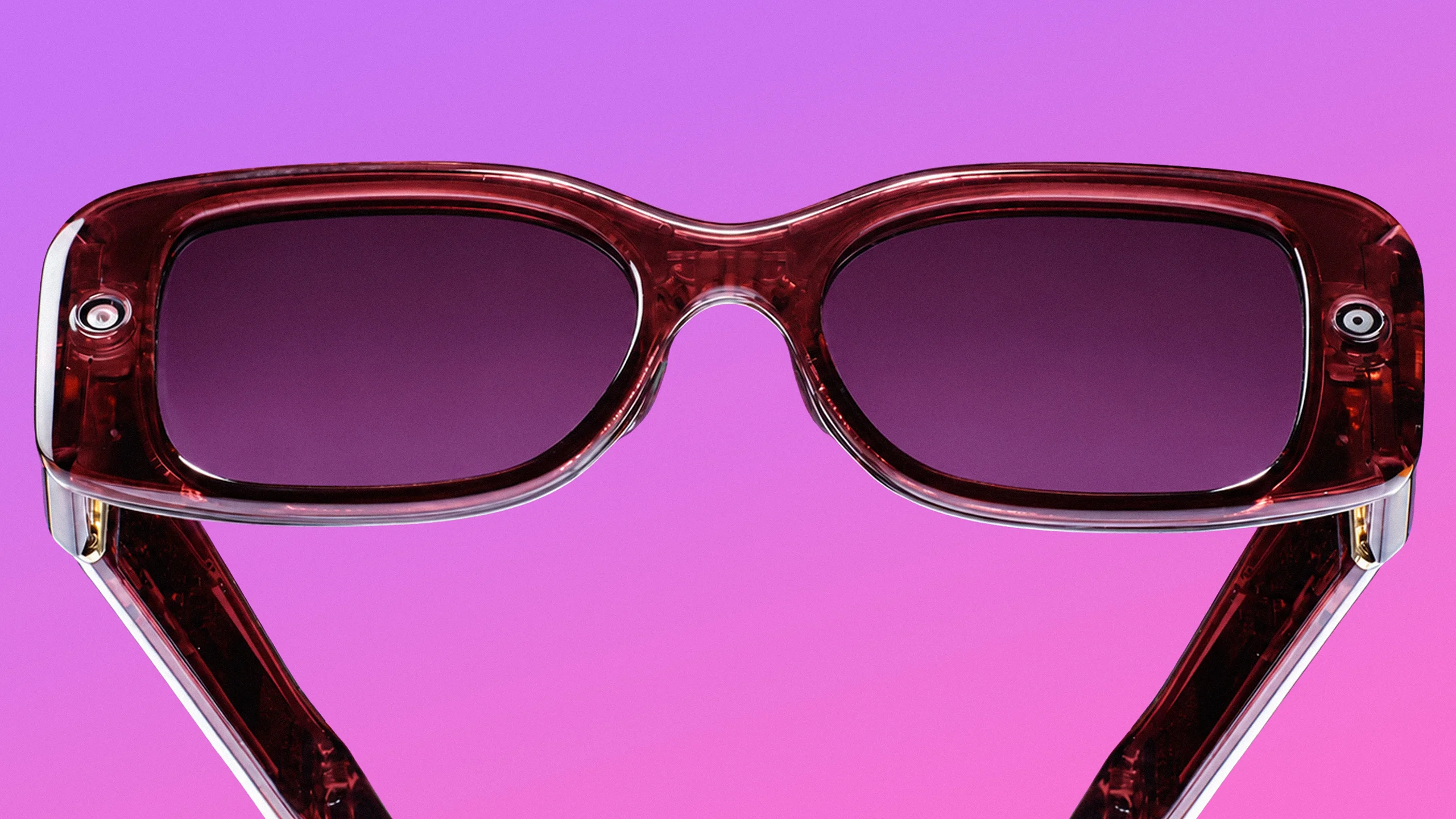
AI-powered smart glasses promise to keep your phone in your pocket, but their usefulness depends on how much work they can take off your day. Meta ties its glasses to its own AI services, while Google is courting eyewear makers with Gemini. As an AI assistant learns a wearer’s preferences, it can become more useful and harder to replace.
If that knowledge cannot move to a competing brand, choosing better glasses could mean starting over with an assistant that knows less about you.
Ash Saulsbury spent seven years as a systems architect at Apple before joining Meta, where he served as product lead for wearable reality products from 2017 to 2019 and helped incubate its smart-glasses technology. Although he left before Meta’s Ray-Ban products reached consumers, he describes the early project as an extension of the company’s advertising business; making content easier to create would encourage engagement and generate more advertising opportunities.
He later became vice president of architecture for Microsoft’s mixed-reality products, where his team worked with Qualcomm to develop chips capable of operating within eyewear’s power and thermal constraints.
His startup, Awear AI, wants consumers to be able to switch eyewear brands without losing the information their AI assistants have accumulated about them. The company emerged from stealth at Qualcomm’s Snapdragon Summit on September 23, introducing Agentic System One (AS-One), a software platform that eyewear makers can integrate into their products, beginning with glasses powered by Qualcomm’s Snapdragon AR1+ processor.
“You’ll see many companies go to enormous lengths to make it extremely difficult for their competitors to access your data,” Saulsbury tells Fast Company .
Source link