It’s been a busy year for laptops. Apple’s value-priced MacBook Neo caused a major shakeup in the budget space, forcing Windows device makers to respond with their own premium, affordable offerings. Microsoft nixed its original 16GB requirement for AI PCs, ushering in a slew of new 8GB Wildcat Lake options, and further muddied the waters of its Copilot branding after vowing to improve performance on 8GB Windows PCs.
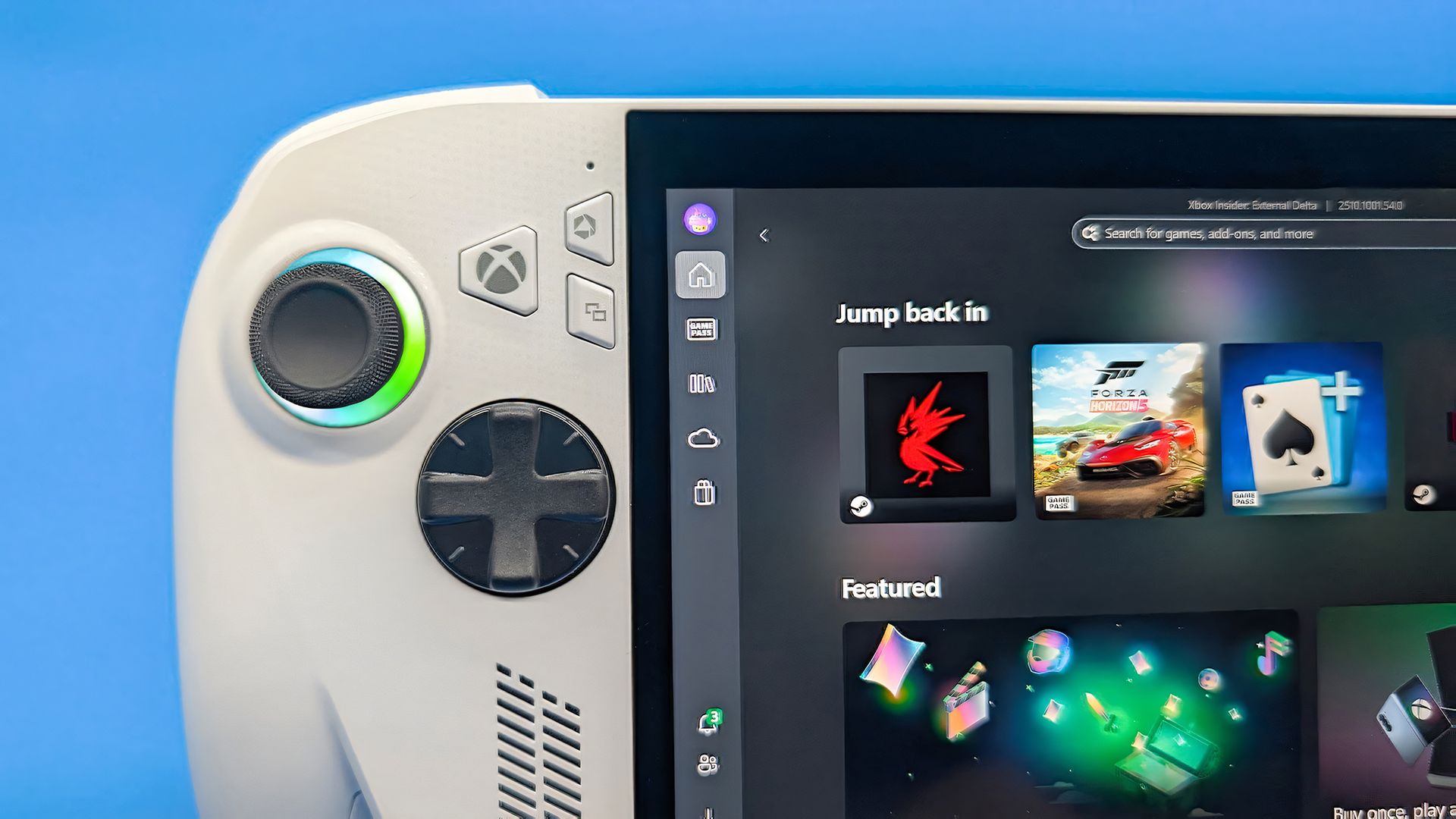
The driving force behind all of this is, of course, is the roughly five-fold increase in RAM costs in the past year, driven by AI hyperscaler demand. That’s also why Valve delayed the Steam Machine by roughly six months, eventually forcing its launch price above $1,000. That completely negated the value proposition that made the Steam Deck a success for so long. And I think Google’s new laptops are in a similarly tough spot, for many of the same reasons.
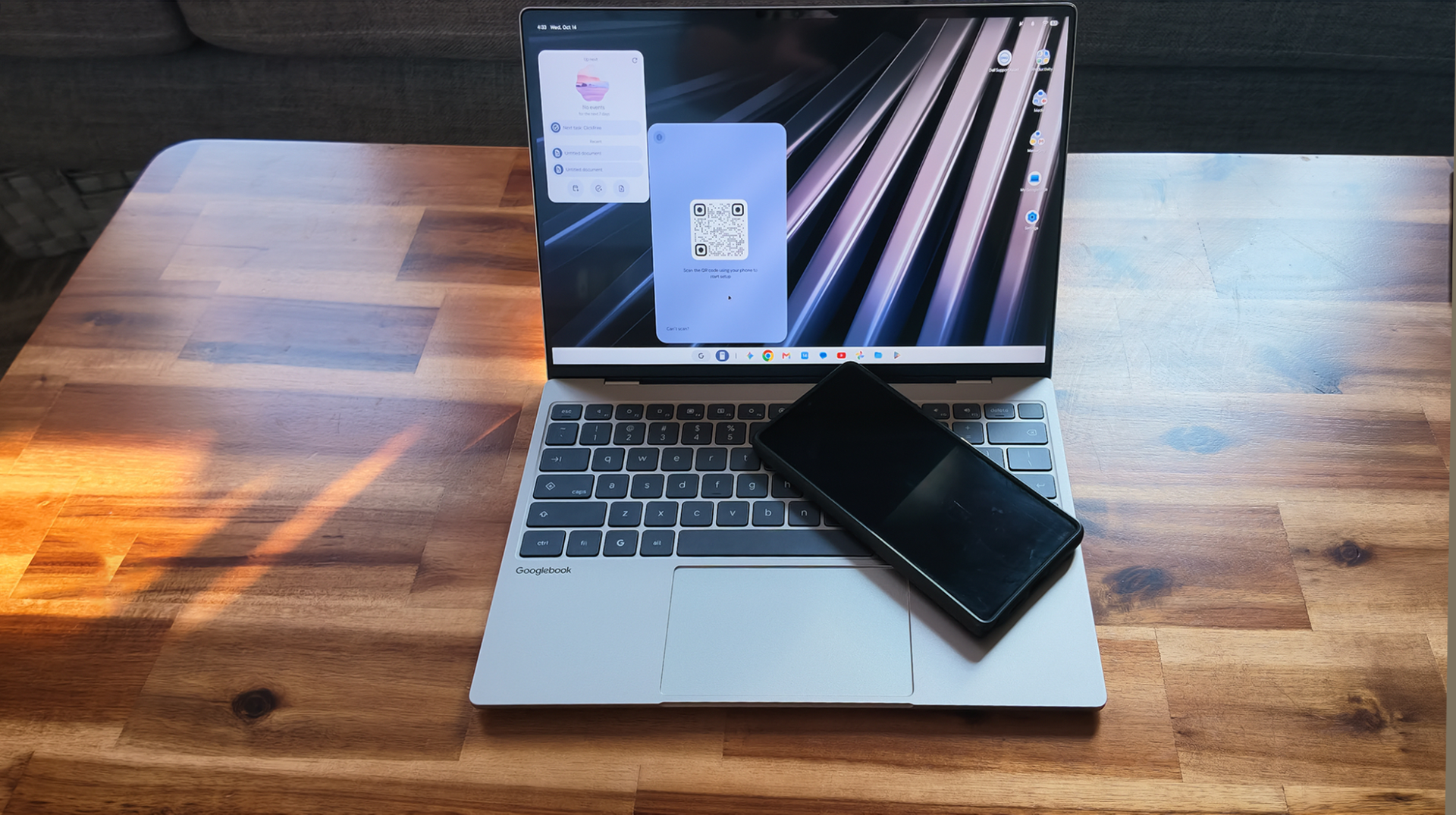
The new Googlebook laptop platform – an AI-focused reimagining of its successful Chromebook platform, complete with its own 16GB RAM requirement and prices that (apart from a limited-time $899 offer from Acer) start at $999. Models from Lenovo and Asus even stretch into MacBook Air pricing territory.
But, like Valve’s gaming hardware, Google’s previous laptop success has hinged primarily on affordability. Chromebooks launched in 2011, with three models all priced around $500, and Acer again undercut its competition at $349. There have been “high-end” Chromebooks over the years, but the vast majority have remained fairly affordable.
Android phone integration (akin to an iPhone / MacBook pairing) is one of the major new selling points of the Googlebook platform.
Source link