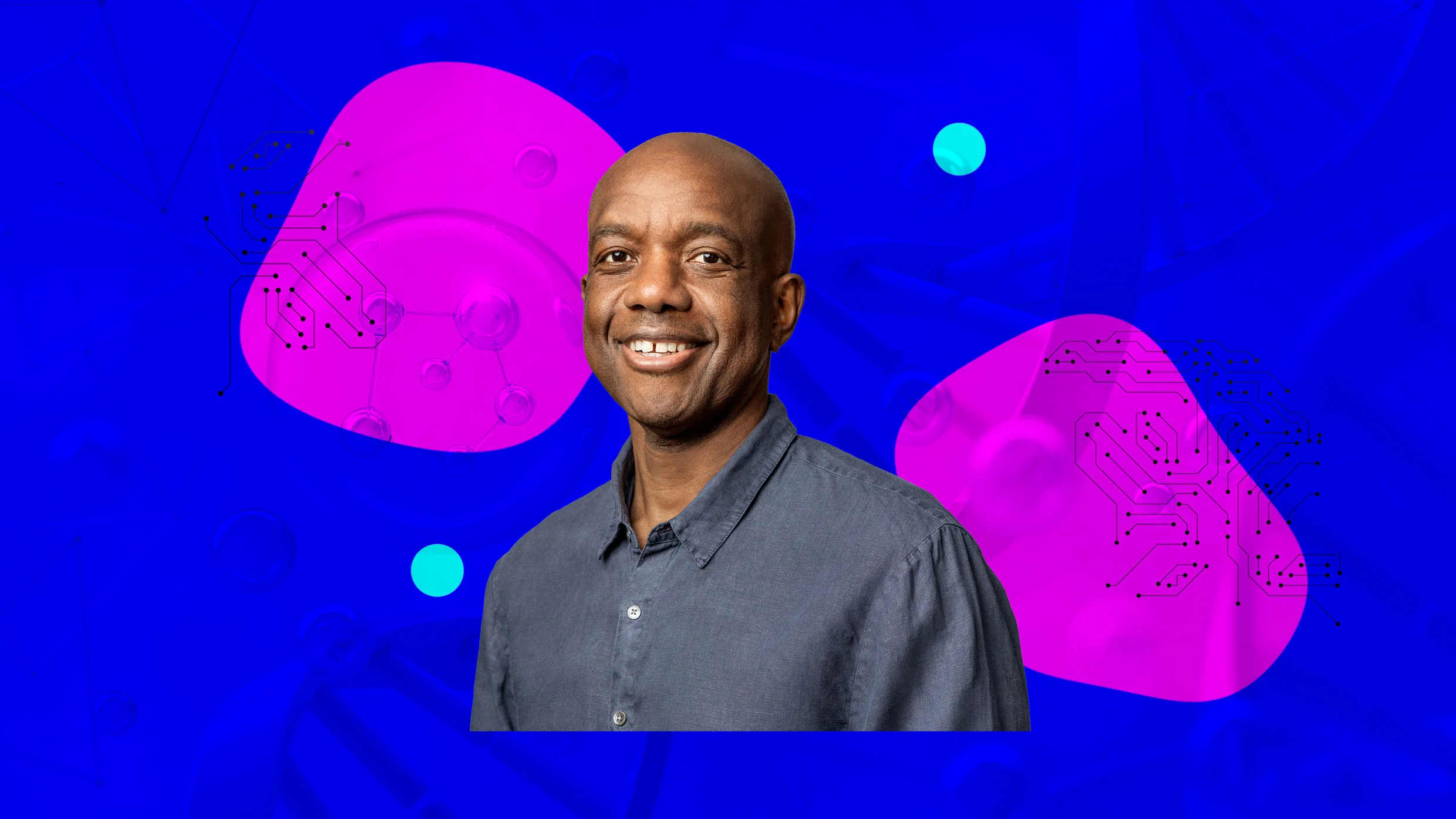
Once a year, Google holds a conference on its campus called Research@. Scientific researchers from inside and outside the company pack an on-campus auditorium for a highly compressed look at what its 26-year-old Google Research lab has been up to. This year’s edition emphasized AI—surprise!—and covered a vast amount of ground, from predicting natural disasters to fact-checking technical documents to helping doctors better serve patients.
After the keynote, I sat down with James Manyika, the member of Google’s senior leadership team who oversees Google Research. (His title—senior VP of Research, Labs, Technology & Society—conveys the breadth of his responsibilities.) He told me about Google Research’s mandate and approach to its work, and why he believes AI has already resulted in more scientific progress than most people realize. Our conversation has been edited for length and clarity.
For the sake of people who didn’t get to attend this conference, talk a bit about what Google Research is all about. You’re part of Google and Alphabet, and there’s research going on all over both companies beyond your group.
Google has had Google Research since almost the very beginning. The founders initially liked the idea of having a research organization, almost like Bell Labs. That’s what Google Research has been.
The way we think about the mandate and scope of Google Research is both foundational and applied research in a wide range of areas: things to do with fundamental computer science, AI, and machine learning, but also science itself. A lot of the work informs and helps our product areas.
Source link