AI has an energy problem, and Google has come up with a solution that sounds like it belongs in a science fiction movie: send the computers into space.
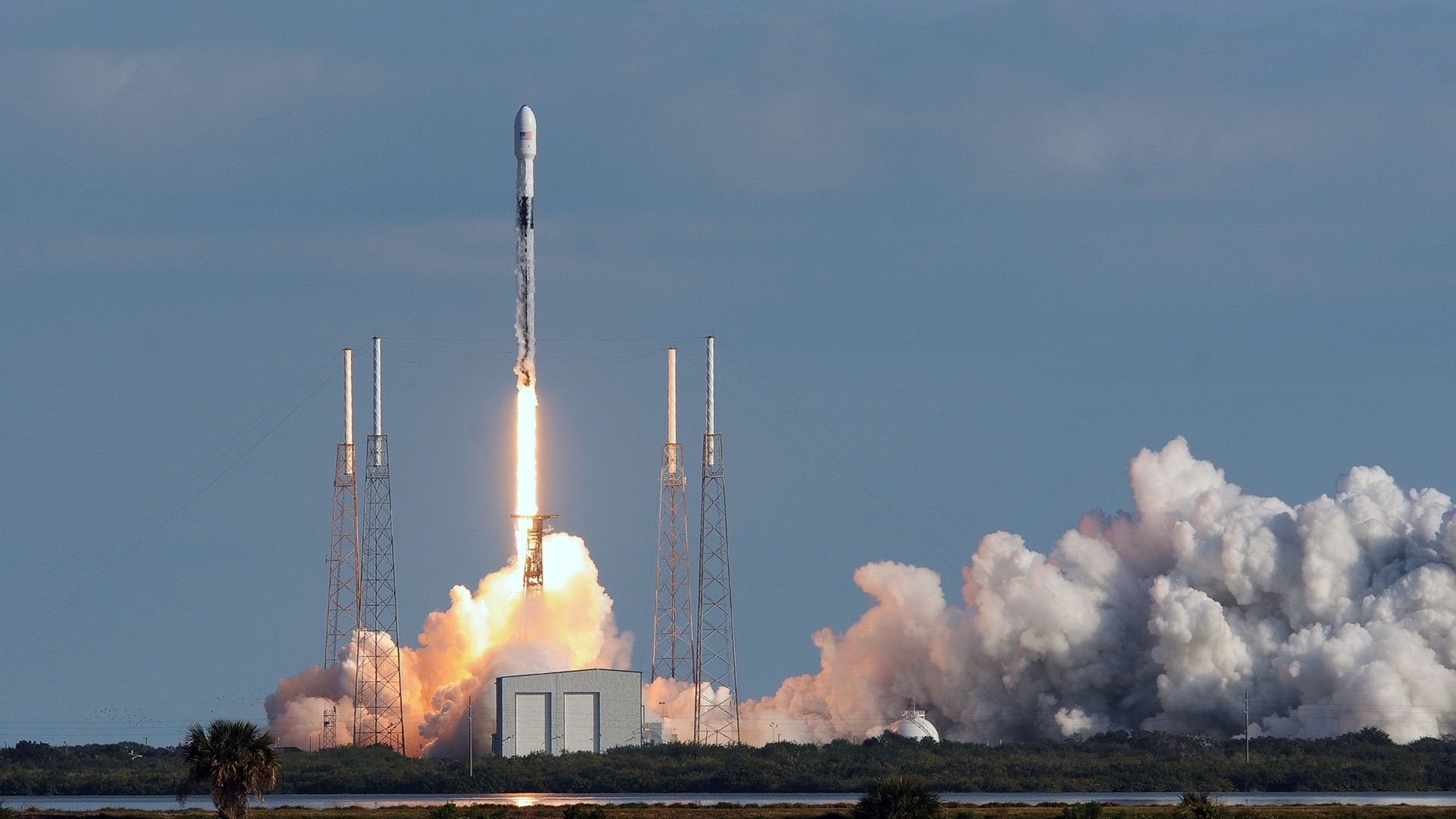
Next week, Google plans to launch its first Tensor Processing Units (TPUs) into orbit as part of Project Suncatcher, an experiment exploring whether some of the enormous computing infrastructure required for AI could eventually leave Earth altogether.
But Google isn't launching an entire data center into space just yet. The first mission is much smaller, designed to answer a more basic question: Can the same chips Google uses for AI survive a rocket launch and continue working amid the radiation and extreme temperatures of space?
But if the experiment works, it will pave the way for much bigger projects. The company ultimately envisions clusters of solar-powered satellites packed with AI chips and connected to one another using high-speed optical links. Instead of building another enormous data center on Earth, some future AI workloads could theoretically be processed hundreds of miles above it.
And as wild as that sounds, Google's reason for looking upward actually makes quite a bit of sense.
The AI boom isn't only a race to build better models. It's becoming a race to find enough computing power and electricity to run them.
2 quadrillion AI tokens every month, up sevenfold from the previous year. The company expects to spend roughly $180 billion to $190 billion on capital expenditures this year as it builds out the infrastructure needed to support that demand.
Source link