General Motors (GM) says it virtually tested more than 300,000 electric vehicle battery designs before building a physical prototype, helping the US automaker move from its first battery-pack concept to formal program approval in just one month.
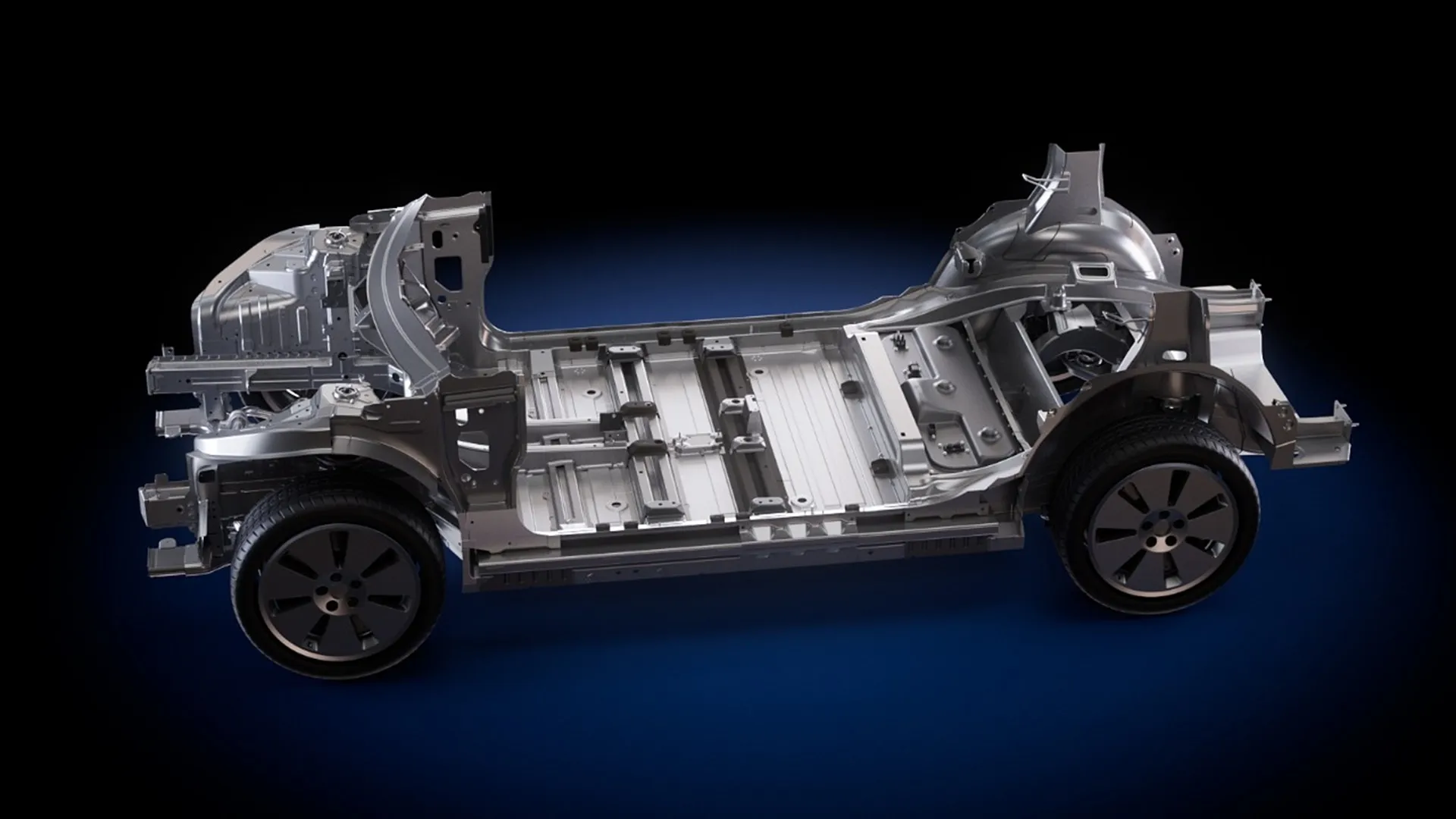
The achievement is part of GM’s development of its fourth-generation EV platform, which aims to deliver longer driving ranges, lower manufacturing costs and simpler vehicle designs.
The company is using computer simulations and a new engineering approach that allows design, manufacturing and engineering teams to work simultaneously rather than completing their tasks one after another.
GM expects the approach to cut its traditional five-year vehicle development timeline in half.
At the center of the new platform is lithium manganese-rich (LMR) battery technology, which GM is developing for its high-volume electric vehicles.
Instead of manufacturing and physically testing hundreds of battery designs, engineers used computer models to evaluate more than 300,000 possible configurations before producing a prototype.
According to GM, this helped its engineering team move from an initial LMR battery-pack concept to formal program approval in just one month.
The batteries will use prismatic cells manufactured by Ultium Cells, GM’s joint venture with LG Energy Solution, in Spring Hill, Tennessee.
GM says its LMR chemistry is designed to deliver 33% greater energy density than lithium iron phosphate (LFP) batteries, a widely used lower-cost alternative.
Higher energy density could allow automakers to achieve longer driving ranges without increasing battery size or weight.
GM estimates that its fourth-generation EV platform, combining LMR batteries with improved electric motors and aerodynamics, could deliver roughly 20% more driving range per kilowatt-hour of energy than its current vehicles.
Source link