Grand Theft Auto VI finally arrives in November. A staggering 13 years and two console generations after the release of its predecessor, the long-awaited sequel has effectively become one of gaming’s holy grails—a title that some thought they’d never actually see, its development cycle so legendarily long that there’s a dedicated “we got [x] before GTA 6” meme.
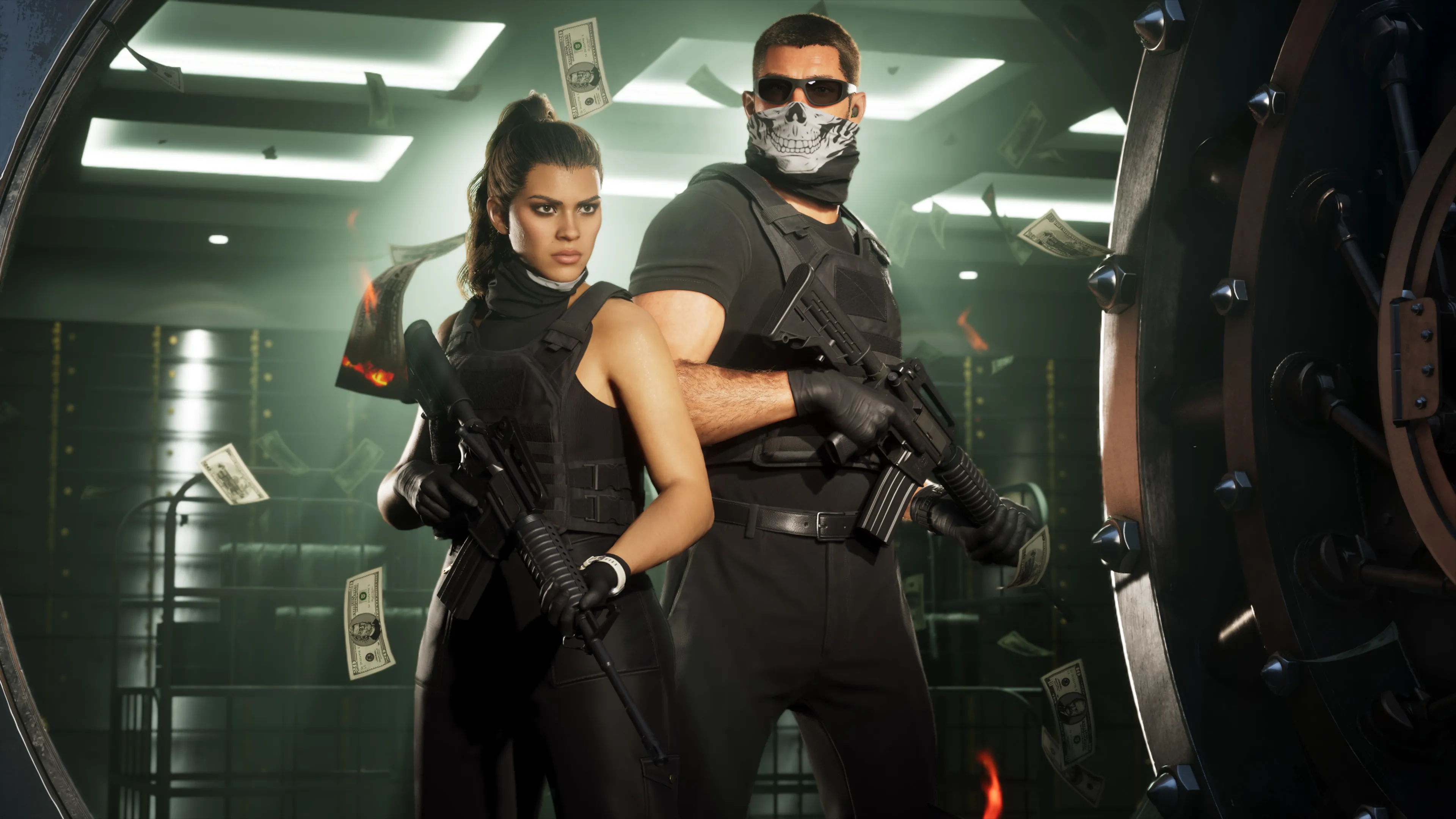
The latest criminal opus lets players control Jason and Lucia, a modern-day Bonnie and Clyde, and bears all the hallmarks of Rockstar's incredible attention to detail. Leonida, the open-world setting based on Florida, looks almost impossibly vast yet meticulously detailed, with its own weather systems and hundreds of animal species roaming around.
It’s shaping up to be a game of unprecedented scale and ambition—and exactly the sort of experience the wider industry can’t afford to keep chasing.
At launch, it doesn’t matter how good or bad Grand Theft Auto VI actually is. On sheer hype alone, it’s already guaranteed to be the biggest and most successful entertainment product of the year, maybe the decade. Some estimates already put revenue between $1 billion and $4 billion on preorders alone, with eager players clearly not put off by its $80 price (or $100 for the Ultimate Edition).
Although Rockstar hasn’t confirmed the development budget, that would be a healthy return even on the wildest (and debunked) guess of $2 billion, before factoring long-tail sales or the revenue drawn by the ongoing Grand Theft Auto Online . With numbers like those, it’s easy to understand why every publisher and developer wants their own GTA VI –level game.
Source link