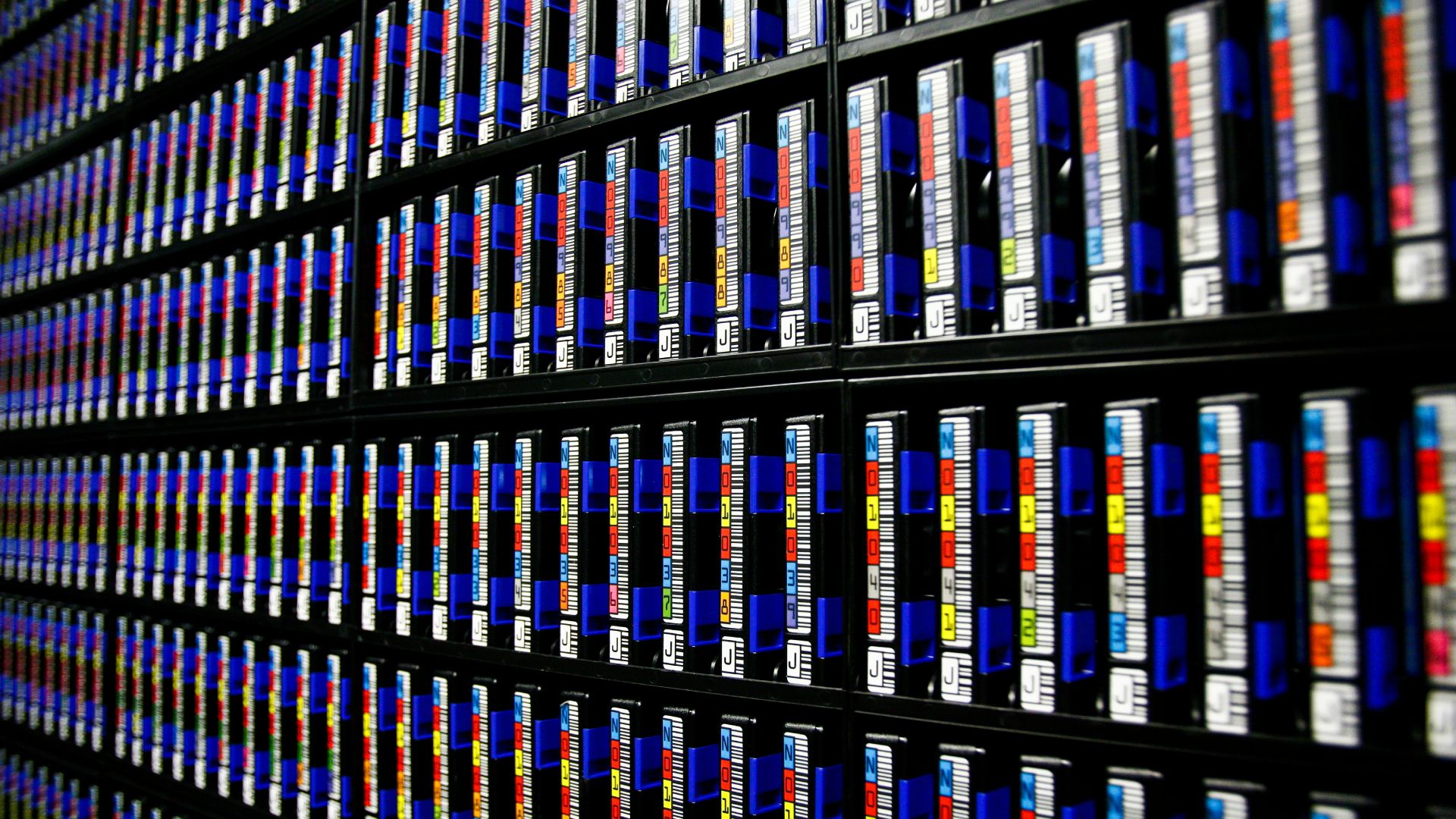
Fujifilm plans to boost production of magnetic tape by as much as 5x as it works to keep up with demand for the data storage medium that has seen a jump in popularity amid ongoing global AI data center buildouts. The Japanese firm will spend 10 billion yen ($63.3 million) to increase capacity at its Odawara plant throughout its fiscal year 2028. The move will enable it to produce more advanced tapes with capacities of up to 100TB each, Nikkei Asia reports. The expansion of production capacity will mark the company's largest investment in tape-based storage in around 20 years. Fujifilm first began working on magnetic tape technology back in 1954 when it was used for television broadcasting equipment.
- The data center cooling state of play
- The custom AI ASIC state of play
- America’s AI chip rules keep changing — and the rest of the world is paying the price
- GTC 2026: Ian Buck press Q&A transcript — VP of Hyperscale and HPC speaks out on shelving CPX and shipping LPU decode this year
- Demand for data center CPUs has surged, and AI agents are responsible
Nowadays, magnetic tape is the go-to storage option for data centers everywhere as a form of long-term data backup. While tapes lag behind solid-state drives and traditional spinning hard disks in terms of performance, tapes are hard to beat when it comes to their durability and relatively low cost for storing huge amounts of data. Magnetic tape storage can cost as little as one-quarter that of hard disks, and even less when compared to faster SSDs.
Source link